
The Workshop
Boats 1&2, Kelvin College, Maryhill
Maryhill’s heritage is of boat-building. It is the place where puffers were built, the boats that helped developed communities in the West of Scotland, in the remotest of places. So, it was significant for the study to aim to place the first boat building workshop in Maryhill.
The setting up of the workshop in the locality uncovered tensions in the heritage landscape. Finding a suitable place to build a small boat in Maryhill was not easy. There are no available buildings to hire, big enough, for a week, even with the abundance of post-industrial workshop spaces. On top of that, there were invisible barriers to participants, such as childcare and other expenses. There also needs to be a dedicated person to manage and organise the participants, the staff and to make sure that the activity runs smoothly. This suggests that for local communities, to directly engage in heritage practice, is challenging, as they have to overcome multiple barriers. This indicated that practicing heritage through a craft that wasn’t part of any established programmes, demands planning and resources.
I managed to hire, by using the funding, the foyer of Glasgow Kelvin College, West End campus.
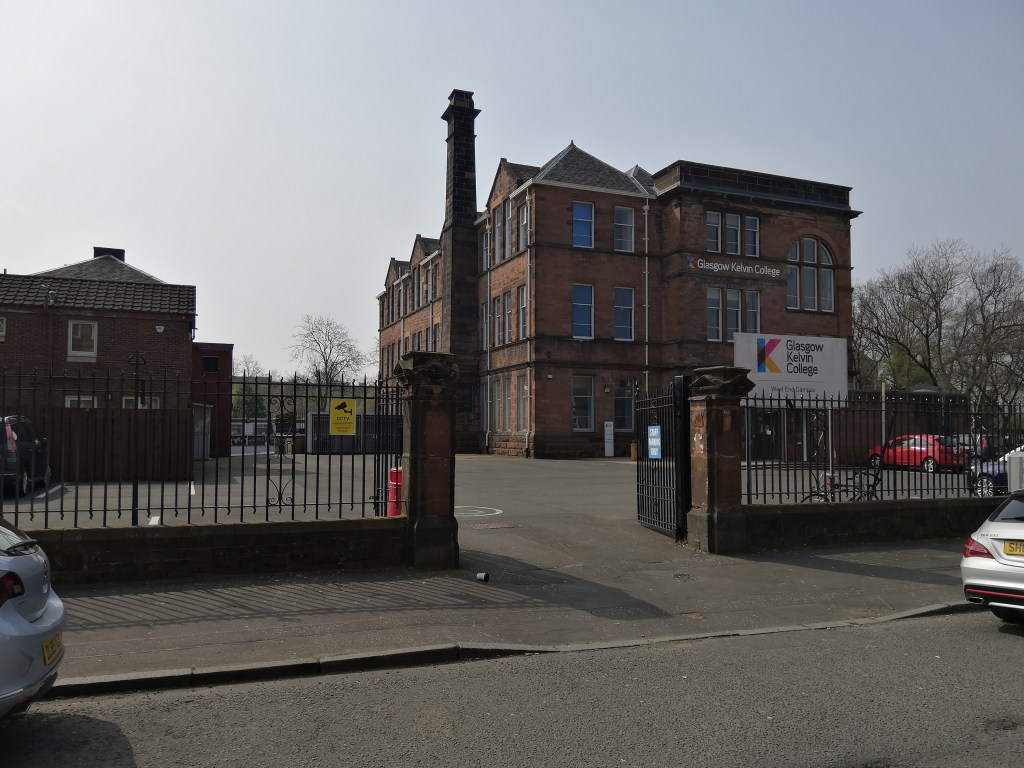
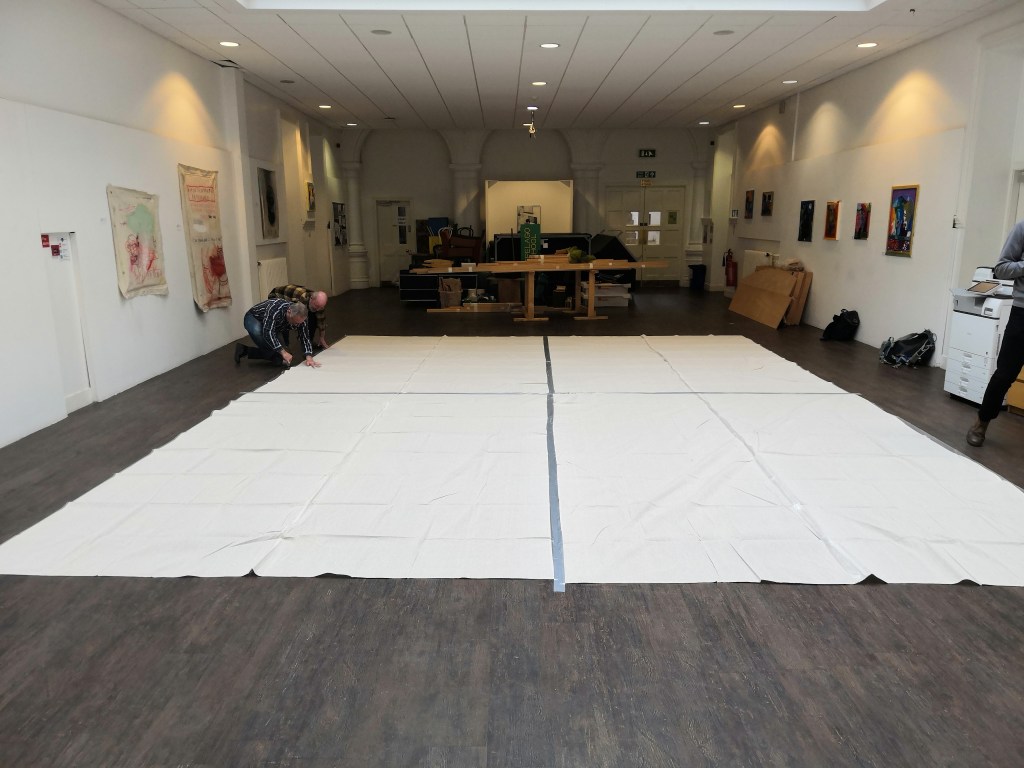
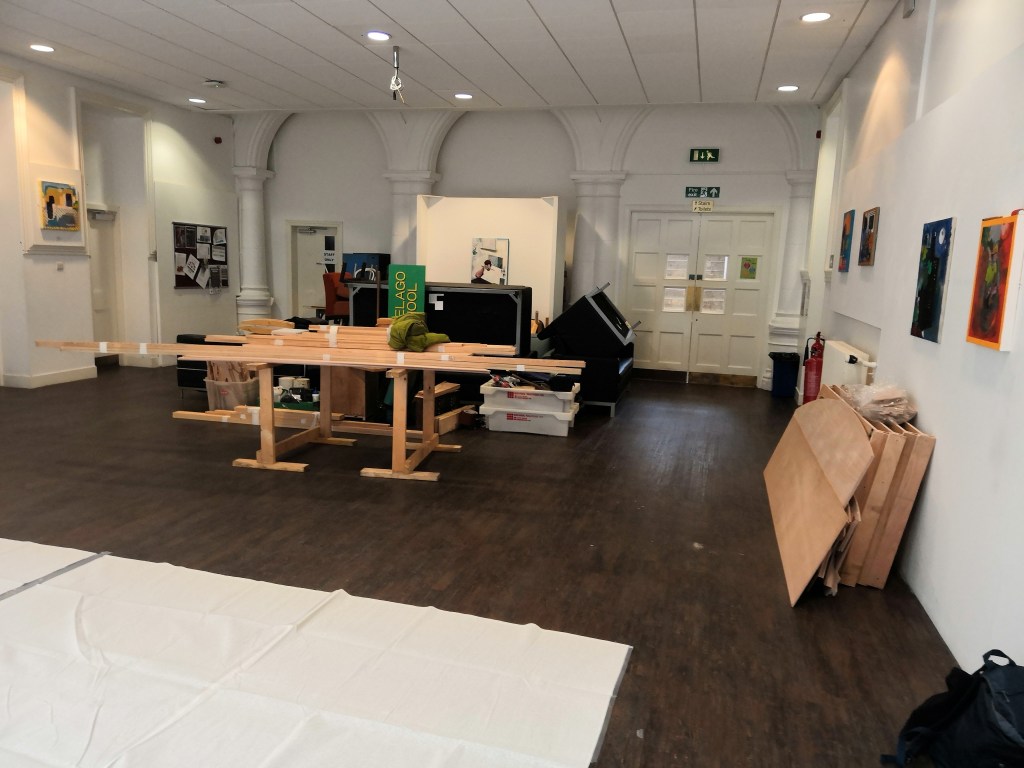
Photographs: Kelvin College is a historic building in Maryhill, which used to be a school and a hospital. The college's foyer was big enough to accommodate a temporary workshop. Spring break meant that students were away, so we could use the space and its facilities with no disruptions. Credit: Author's own.
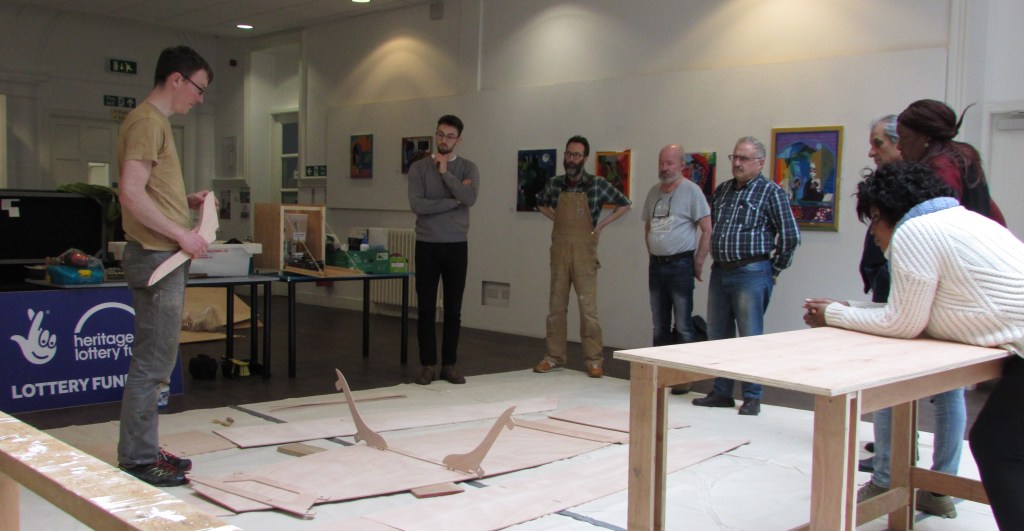
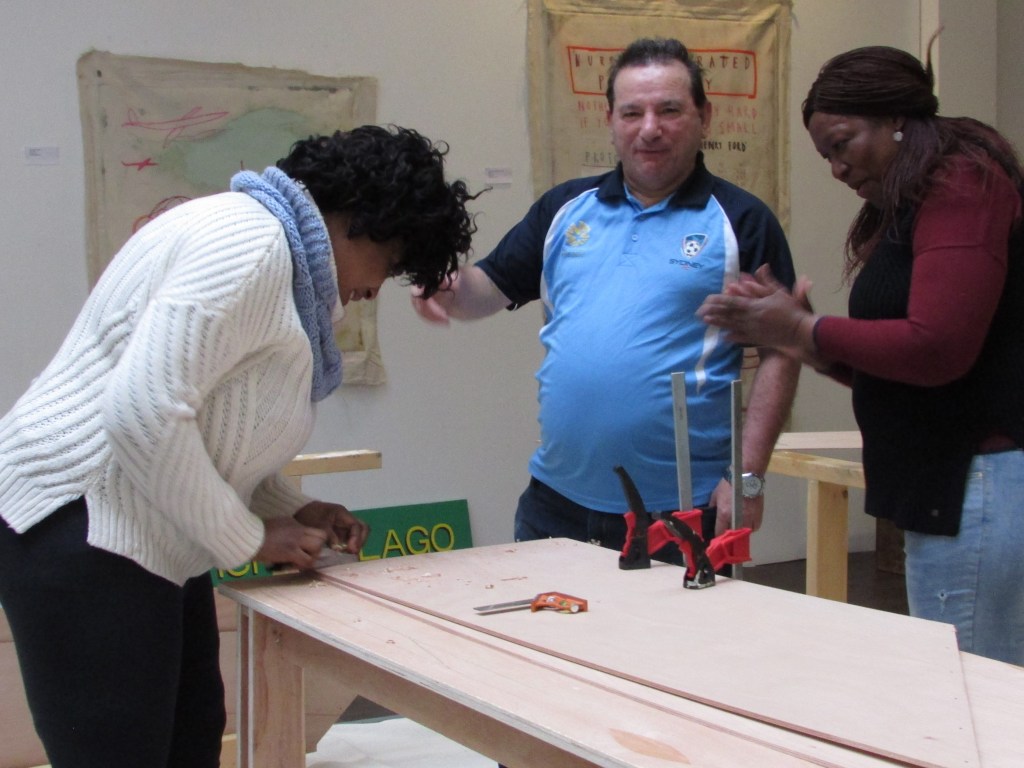
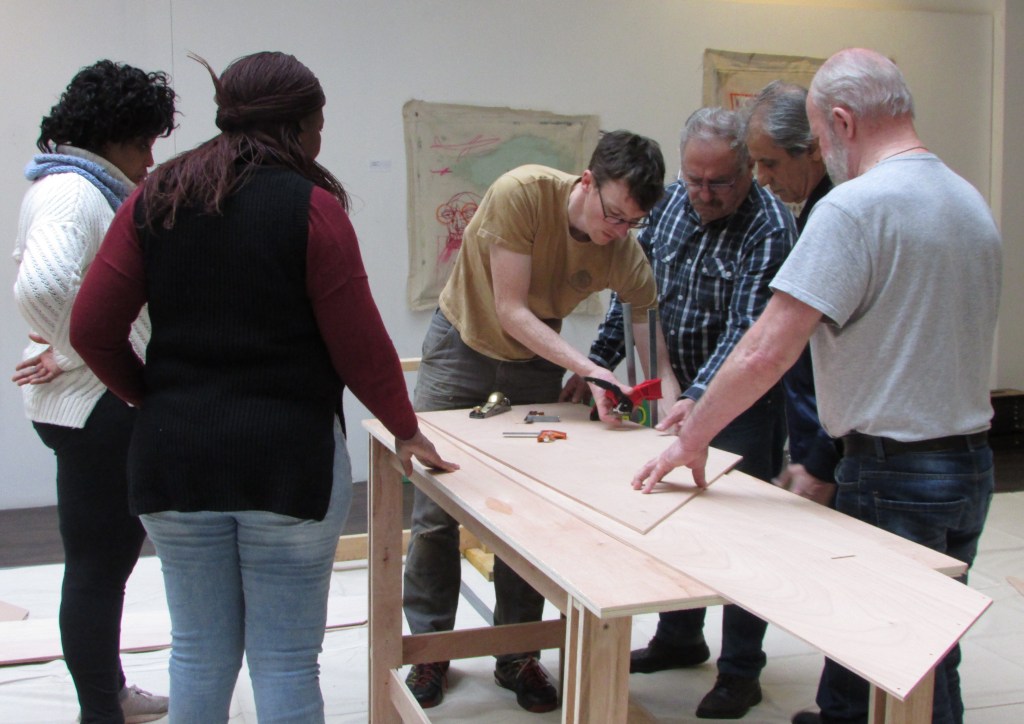
Photographs: At the beginning, the boat-builders explained the plan of the activity and what they had to do to start assembling the different pieces of the kit. Credit: Author's own.
Finding participants to dedicate time for a whole week to build boats was also difficult. Jobs, volunteering and childcare obligations meant that not everybody could turn up everyday day during the activity. The participants I found had some previous experience with woodwork but not with boat building. They were making the boats so they could be used by members of their group for future events.
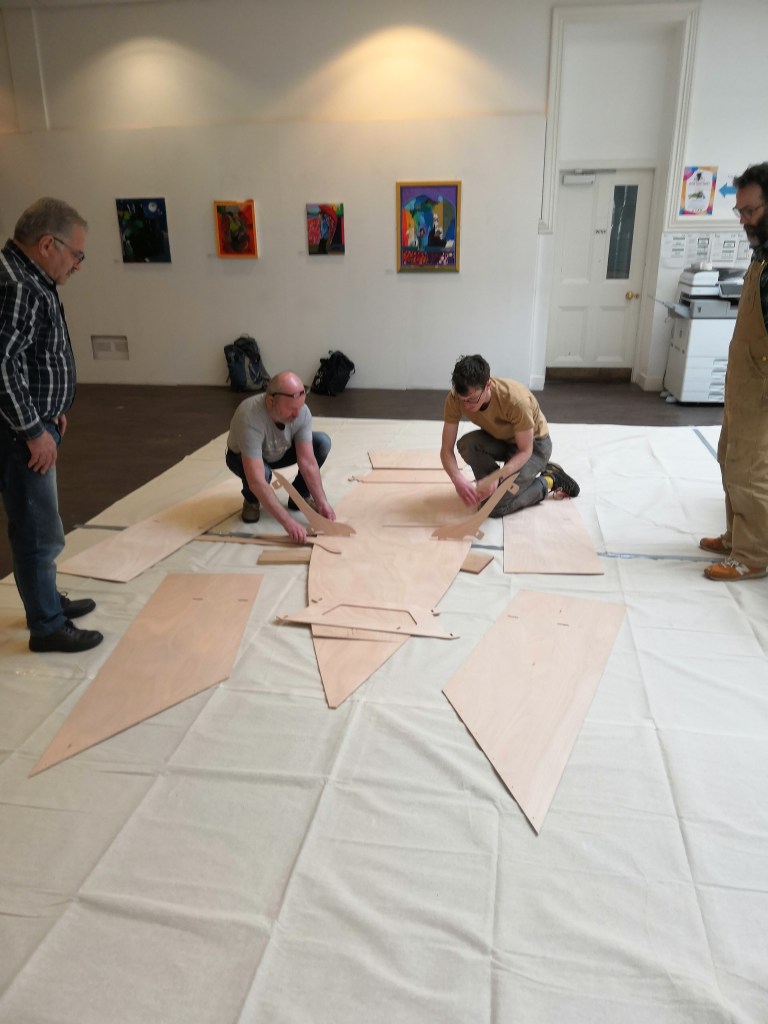
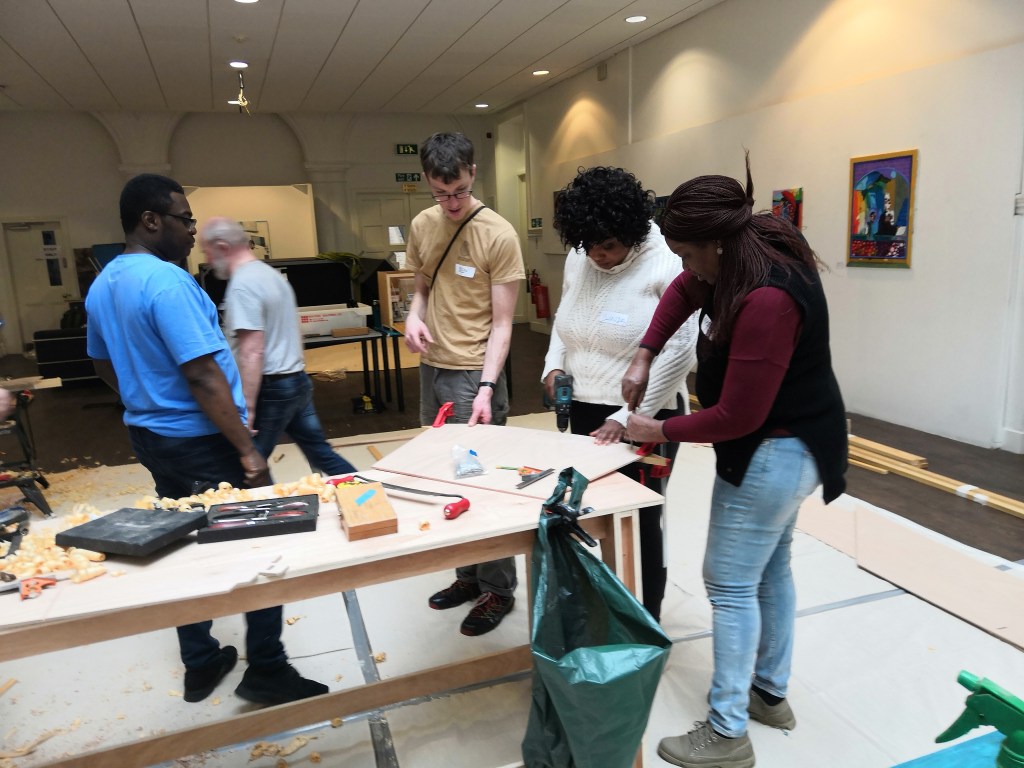
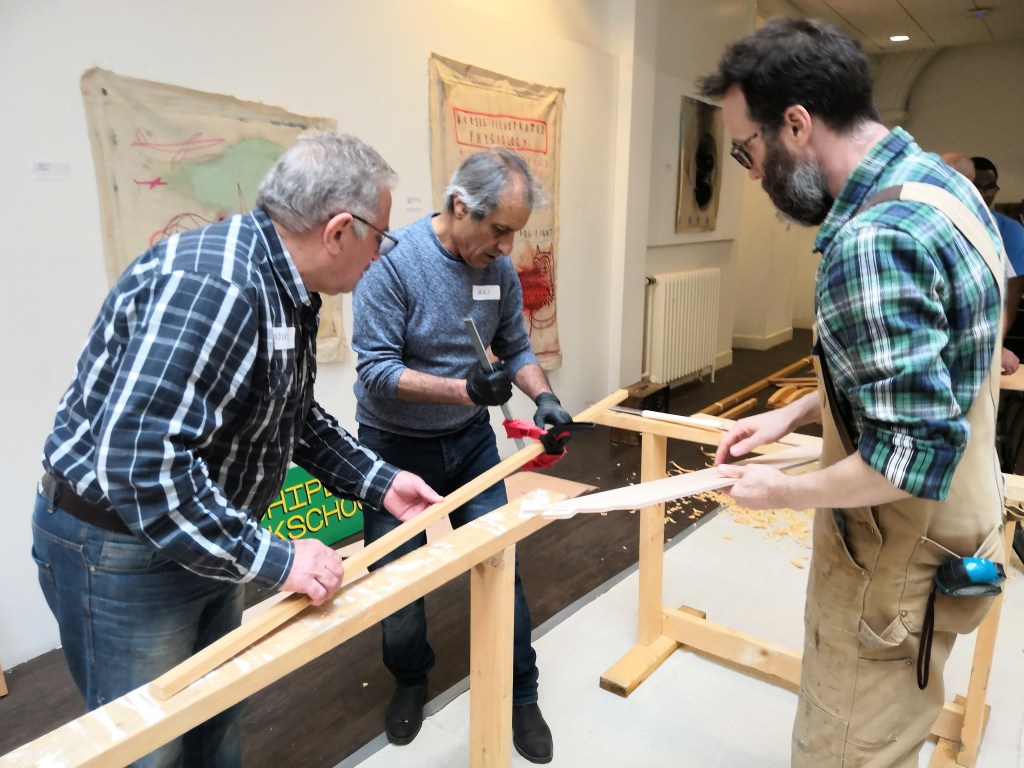
Photographs: Using tools safely and efficiently was a big part of the activity. Credit: Author's own.
At the time of the case study, there were not available boat builders to lead a workshop for a small boat. The boat builder needed to have knowledge of building boats from a kit, because the boats had to be finished in a week, due to workshop space restrictions. They had to be flexible and be able to set up a mobile workshop in any given space. They had to be able to communicate and manage a diverse group of participants, some of whom English was not their first language.
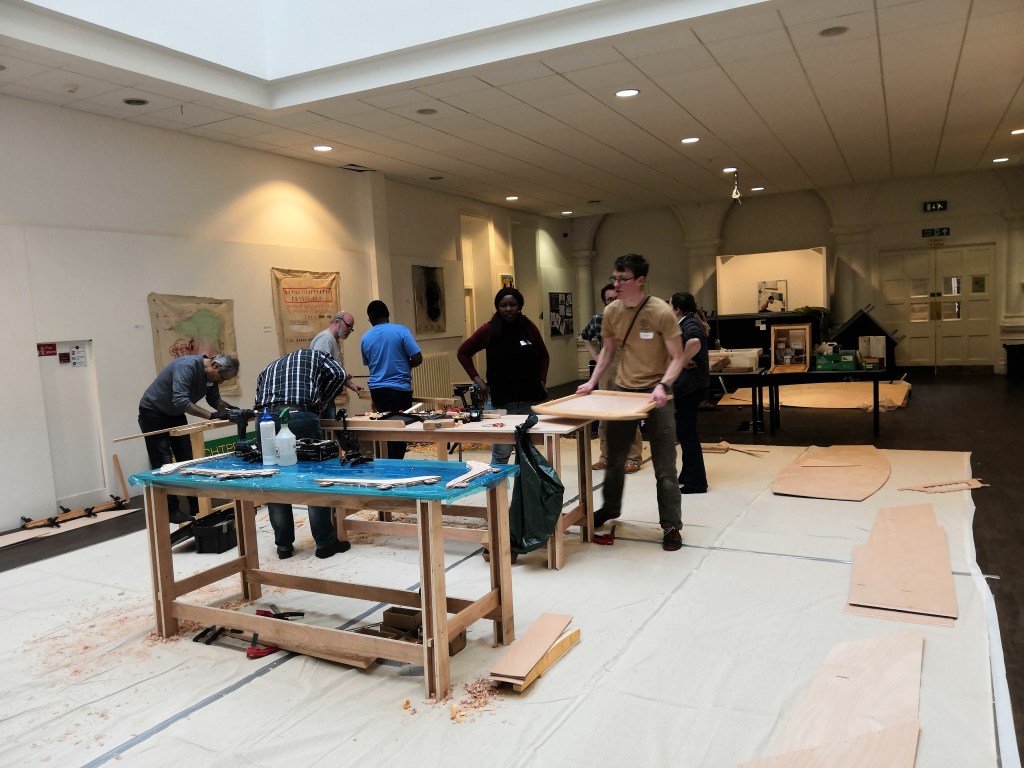
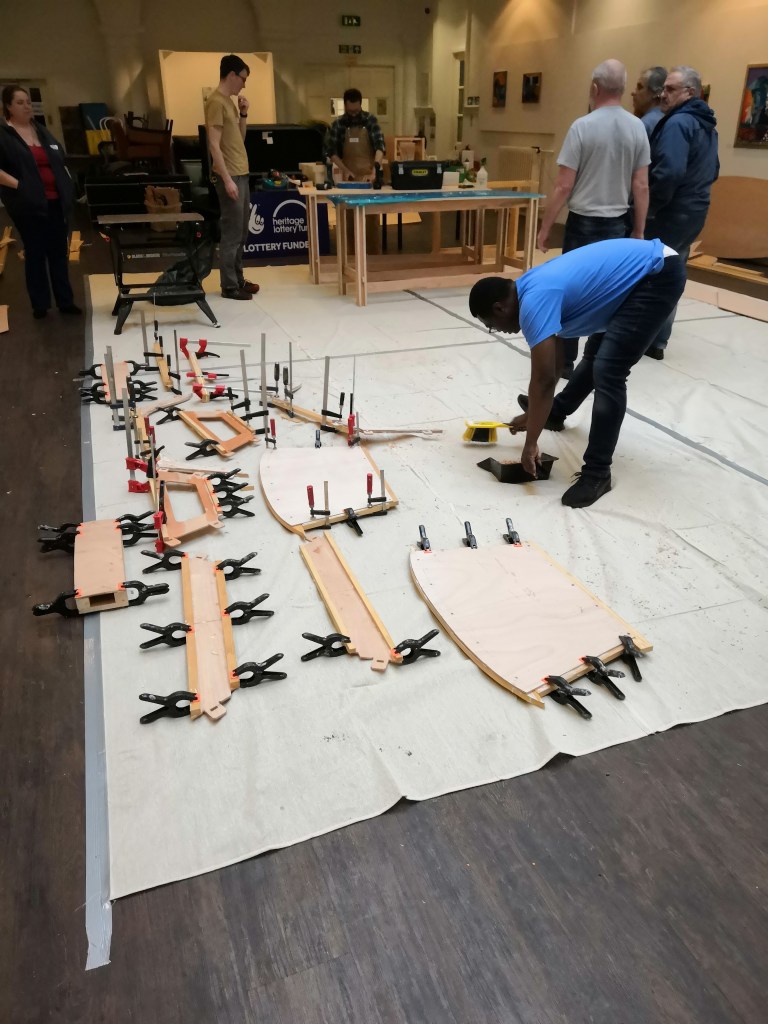
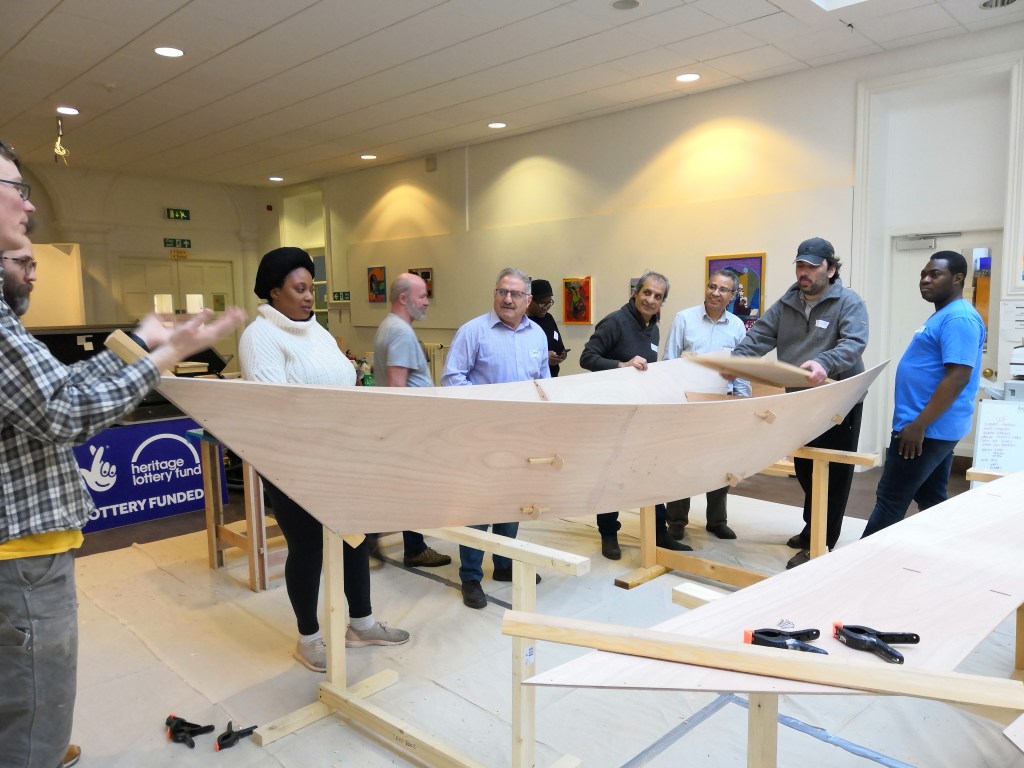
Photographs: Building boats from a kit is quicker than building them in a traditional way that unusually takes months. Credit: Author's own.
The practice of building the two boats, brought everybody involved closer. The effort of learning to use the tools and finishing the jobs on time was affectual and created sense of ownership to the participants for their place.
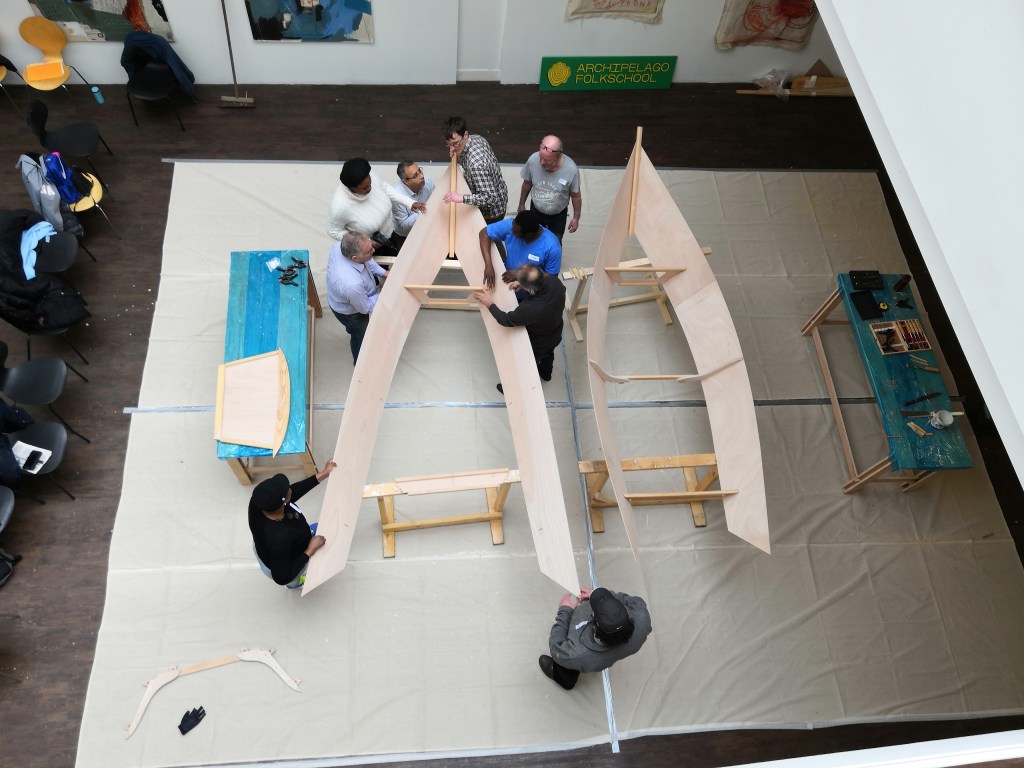
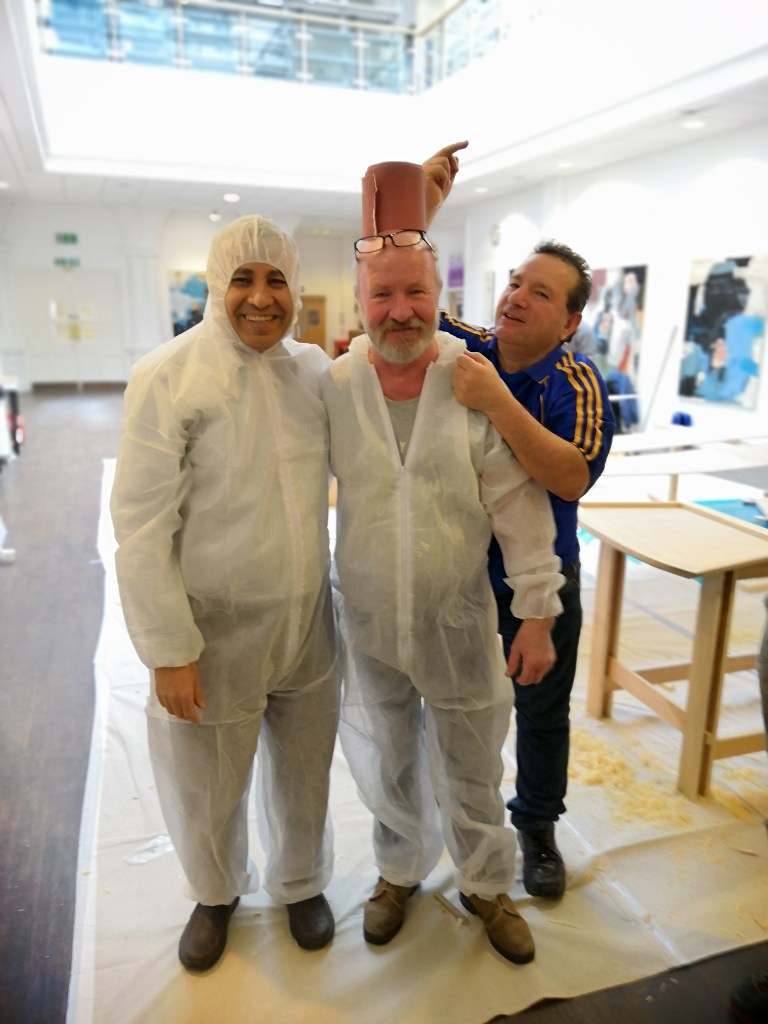
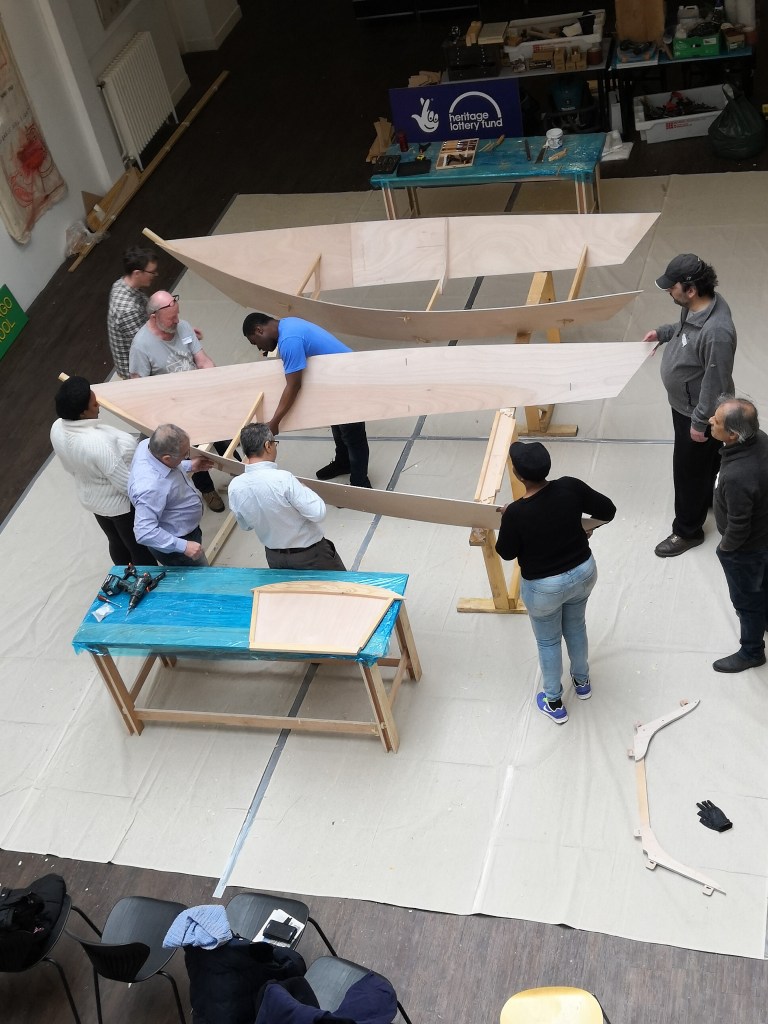

Photographs: Working in a workshop situation brings out a sense of familiarity with tools and expertise, camaraderie, and ownership of the place. Credit: Author's own.
The practice of building the two boats, brought everybody involved closer. The effort of learning to use the tools and finishing the jobs on time was affectual and created sense of ownership to the participants for their place.
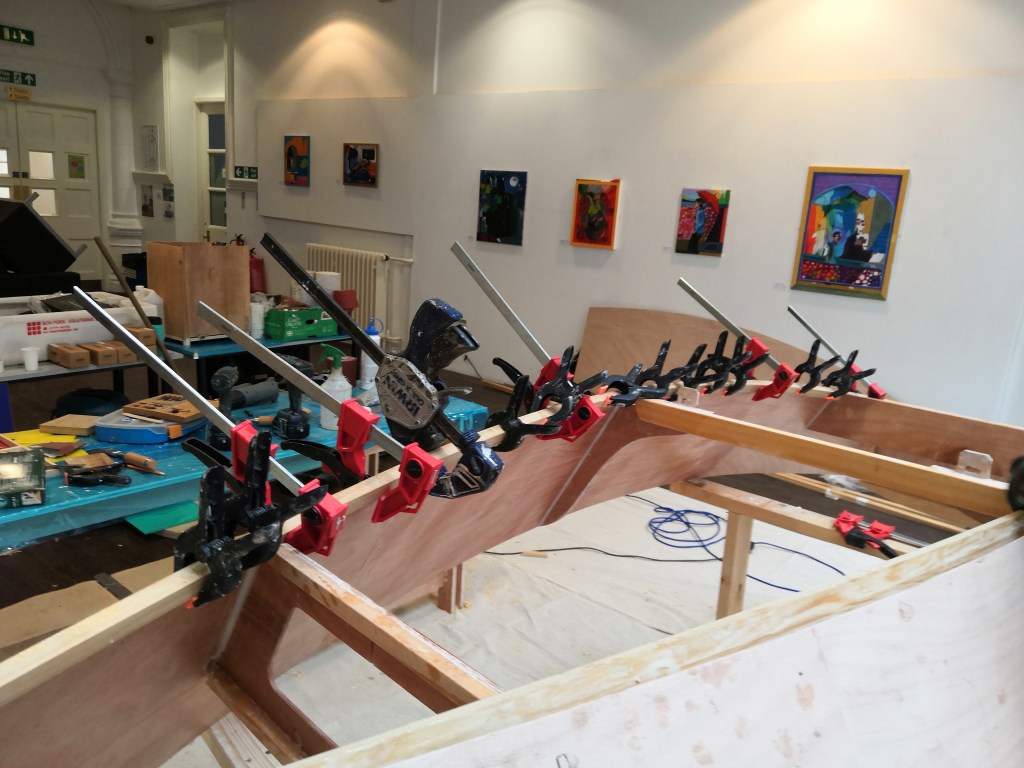
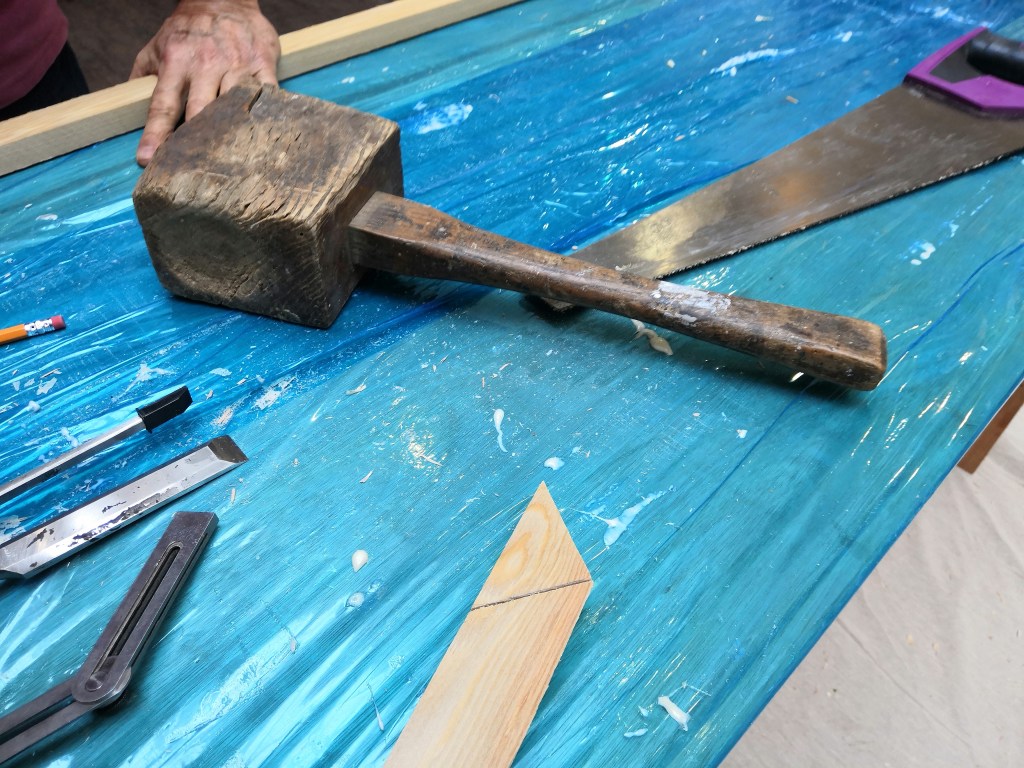

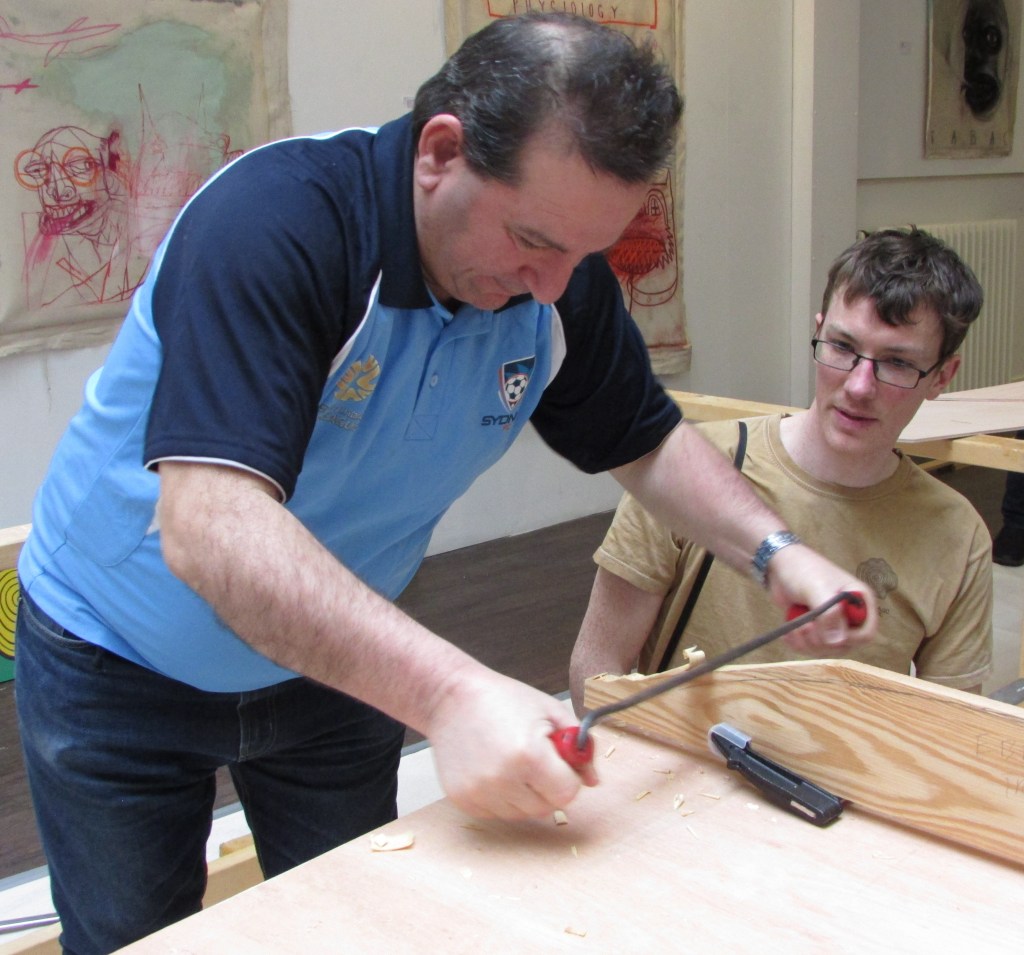
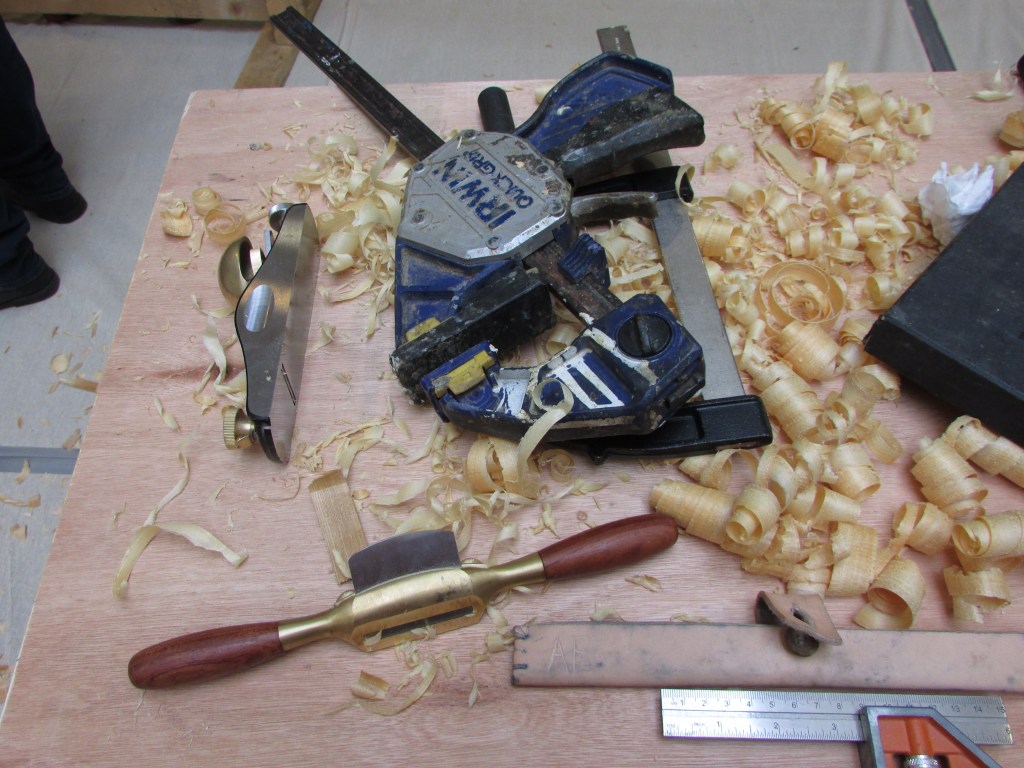
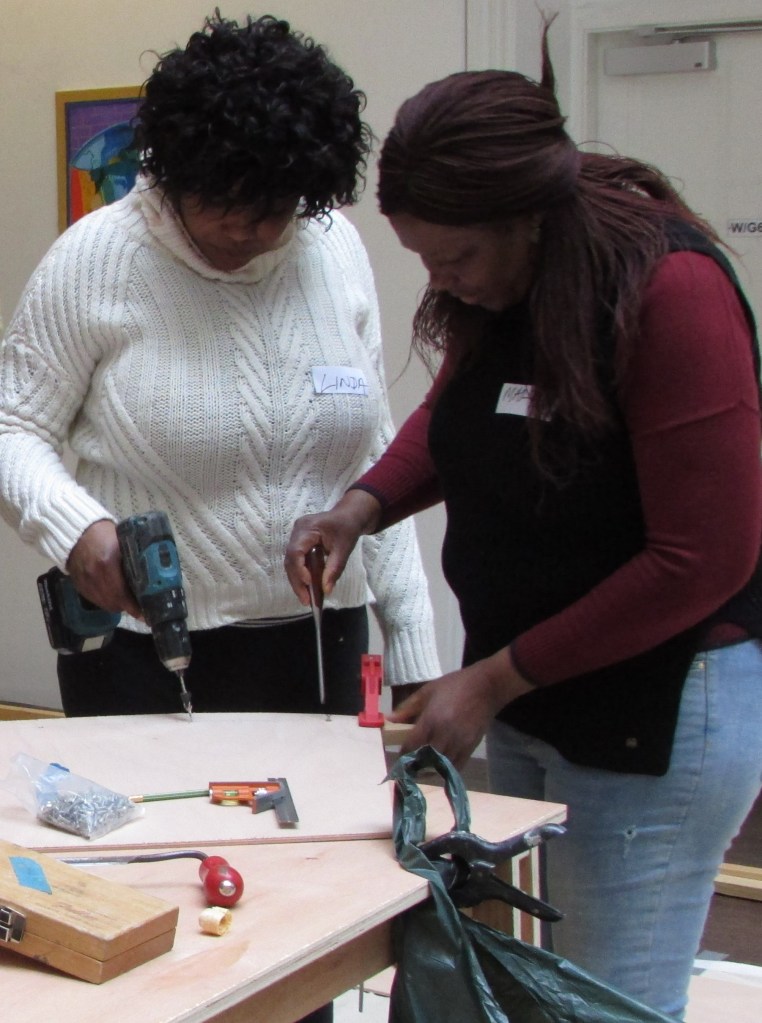
Photographs: Tools were the protagonists of the activity. The skill that one needs to use them, the sense of danger of using them safely, and the need to keep them in a good condition created an environment of collaboration and collectiveness.
Tools, participants and the activity interacted in order to bring the place alive.
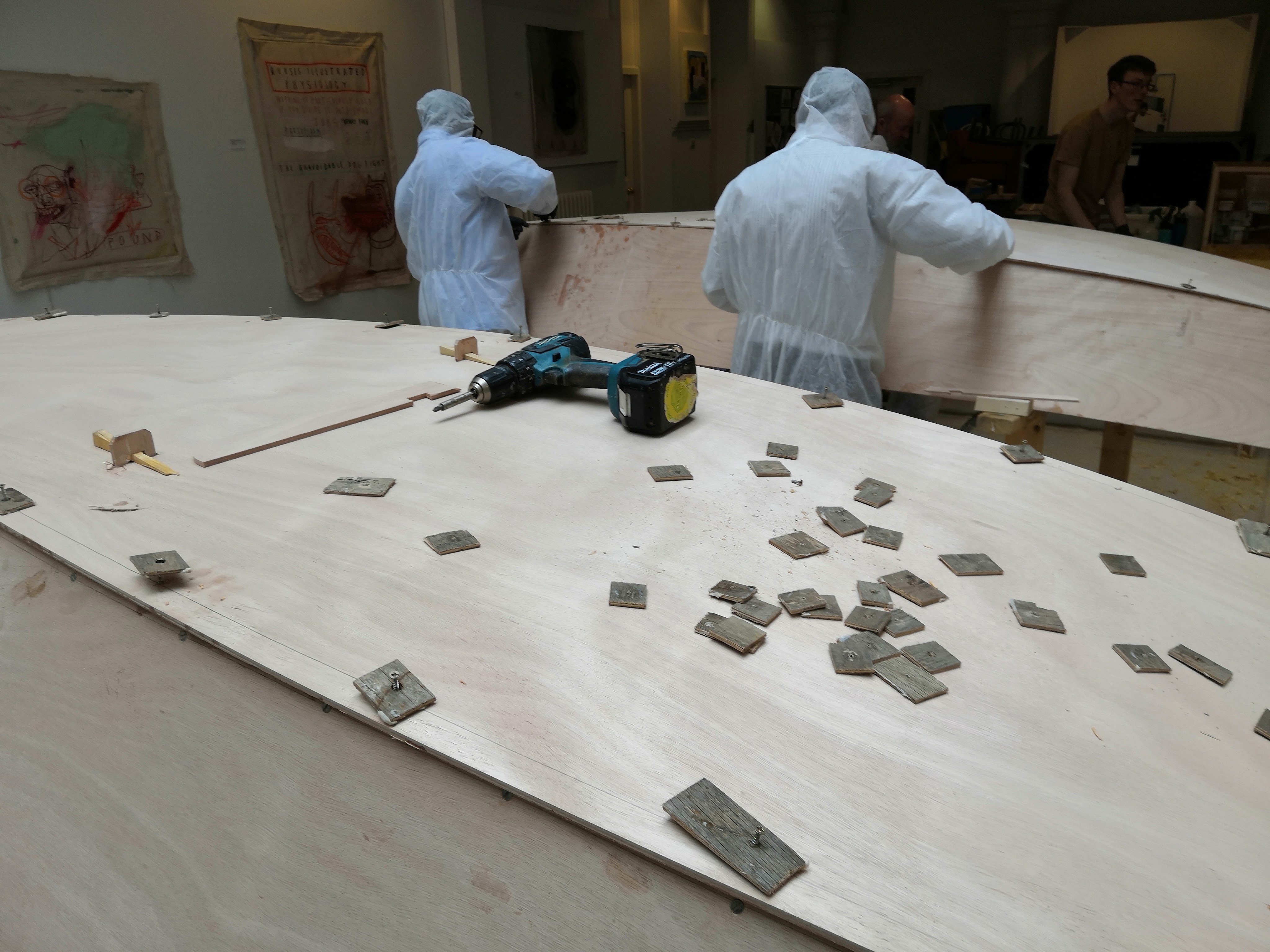
“At first I thought we will have a problem because not everybody’s knowledge of English was good. But eventually boat building became the language” (Boat builder 1)
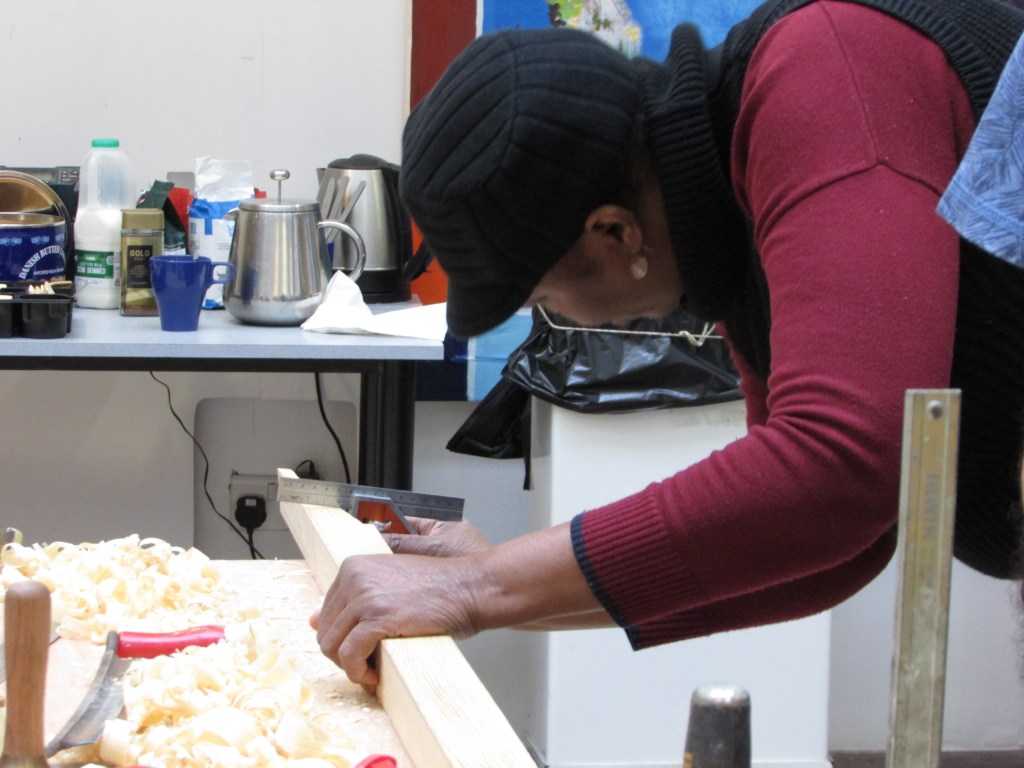

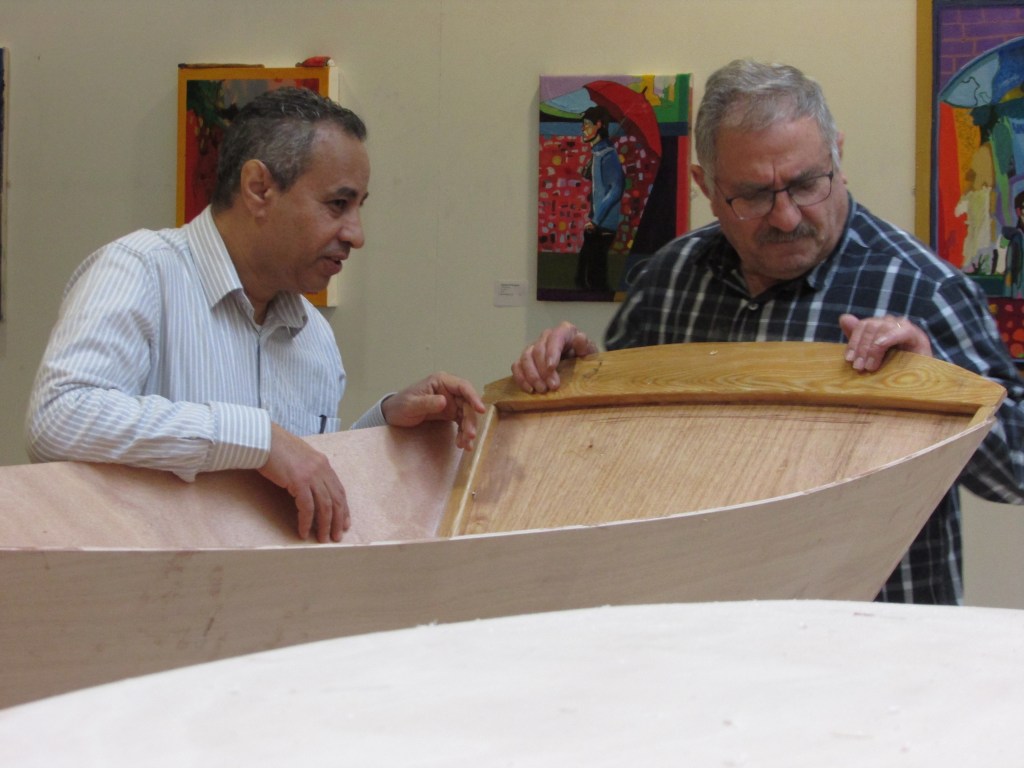
Photographs: The workshop was not just a place for building boats. The participants shared their food together and they engaged in conversations during breaks. Credit: Author's own.
Video: The workshop was a livescape that revealed tensions in the heritage environment. Credit: Author's own.
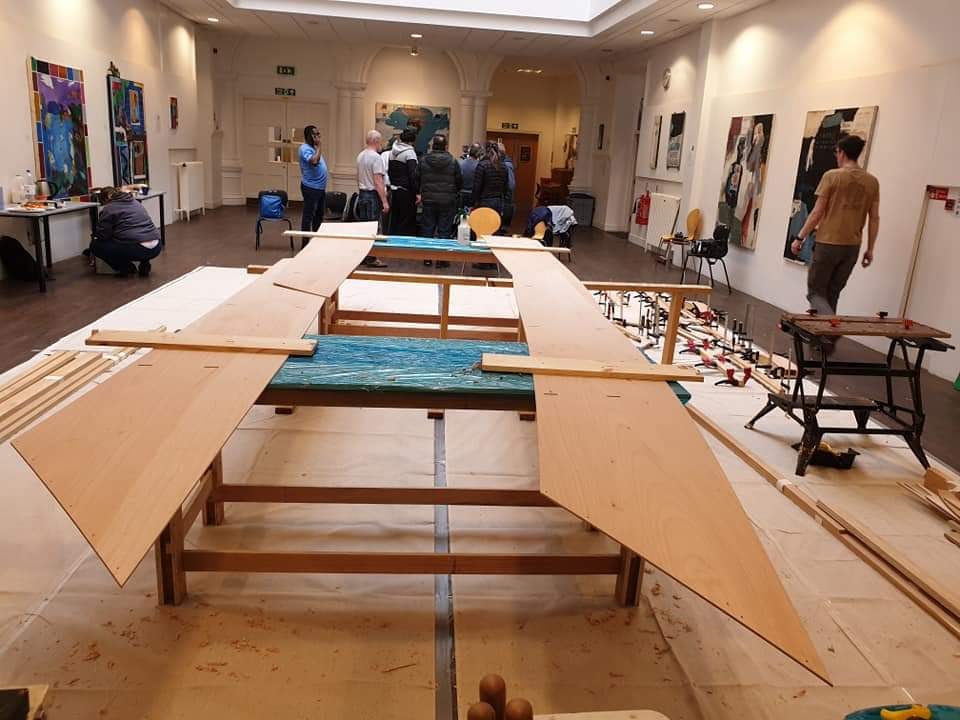
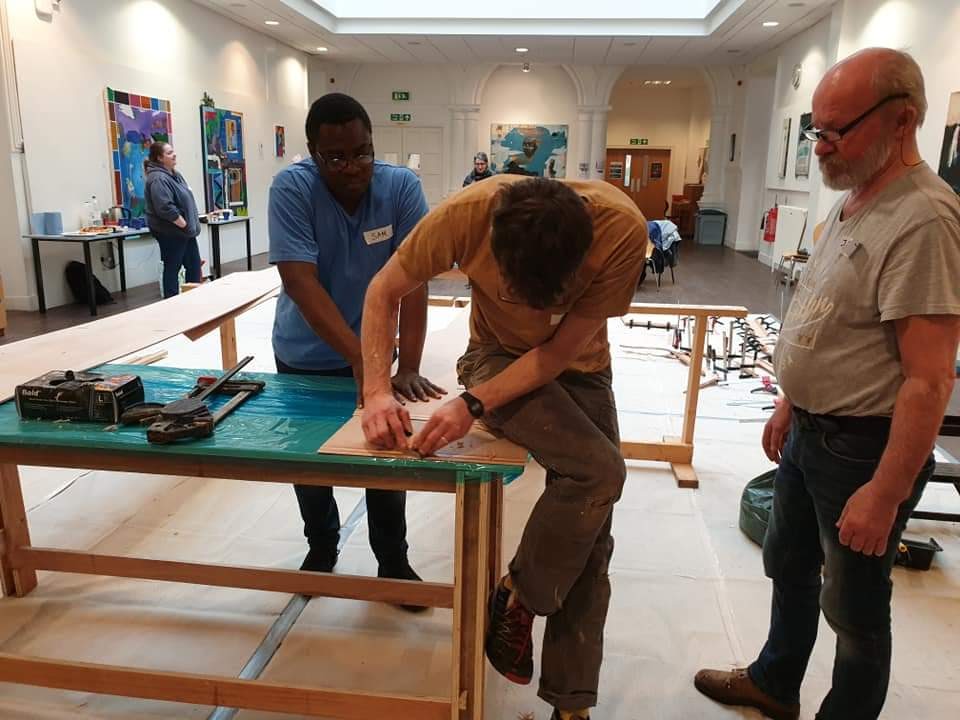
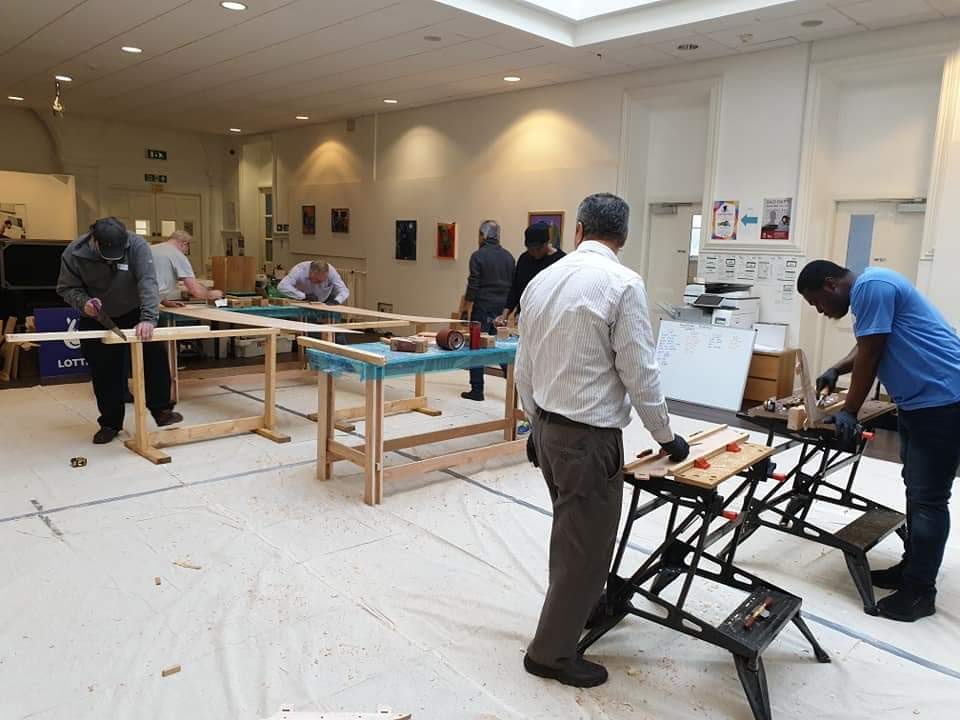
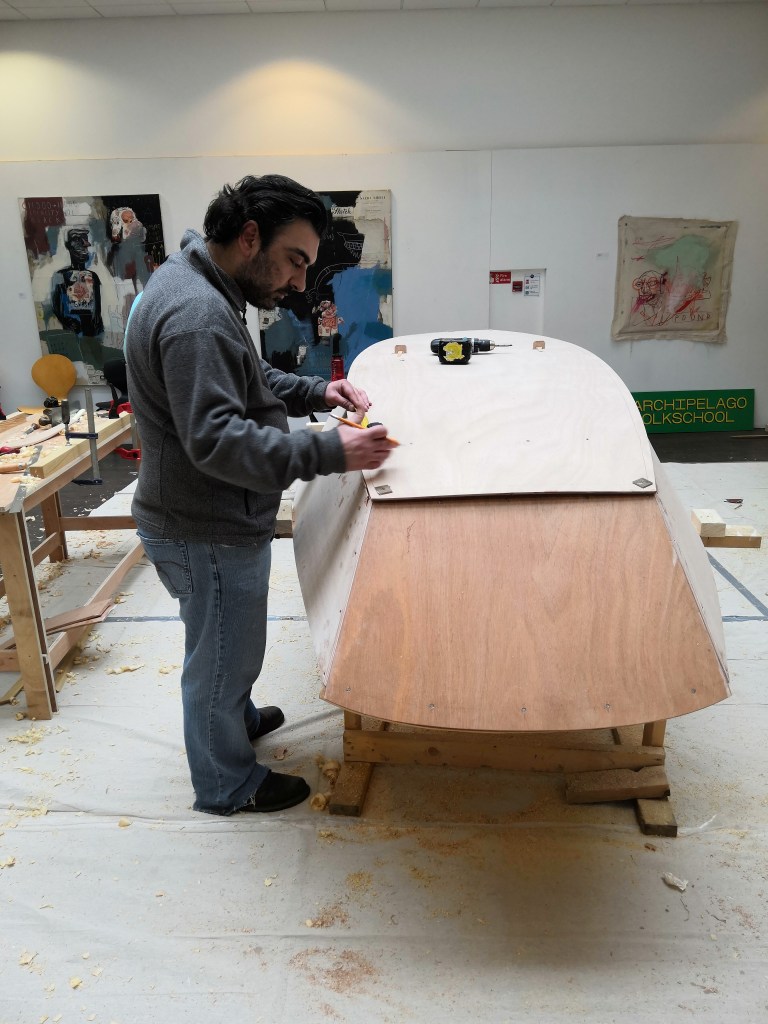

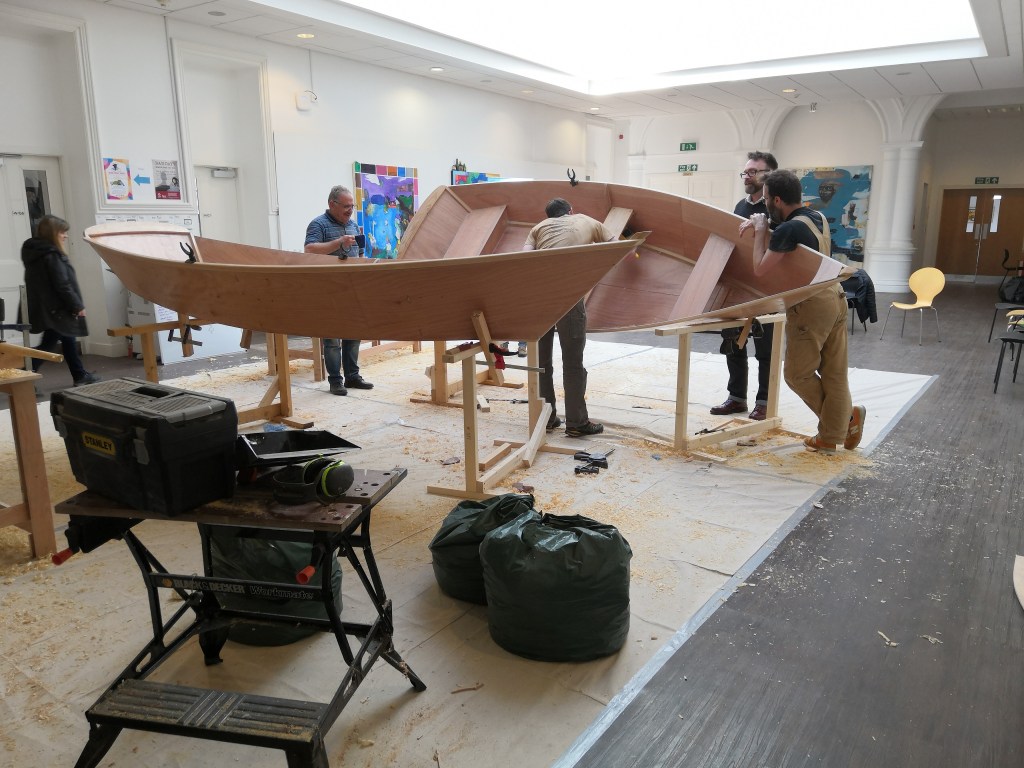
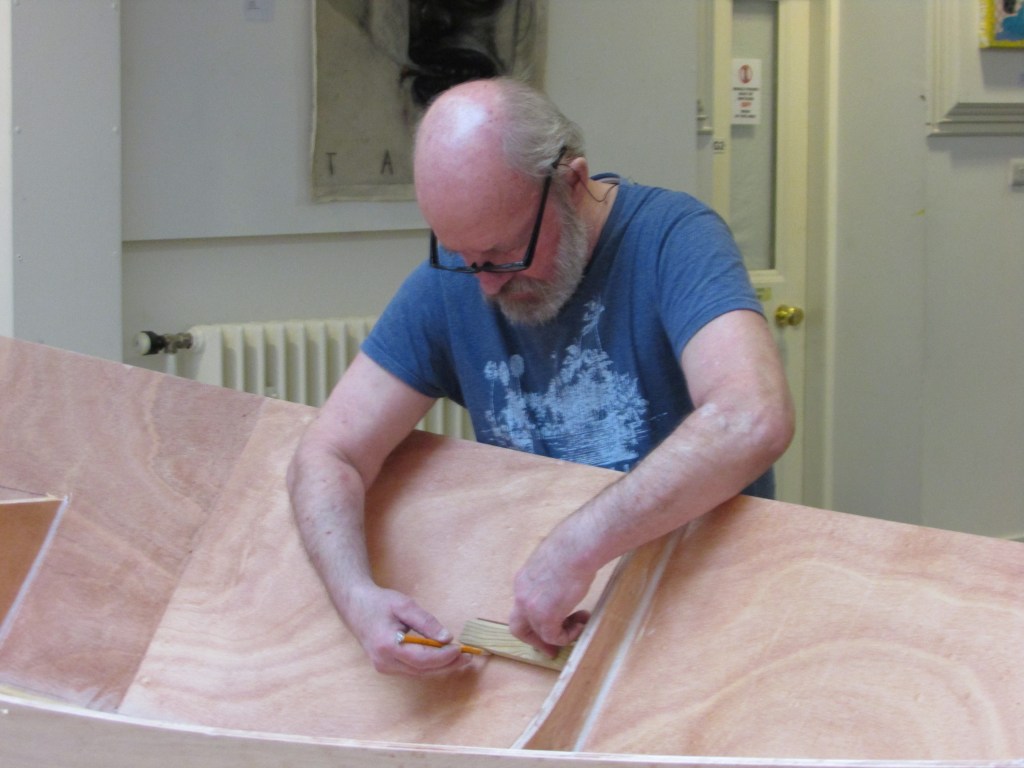
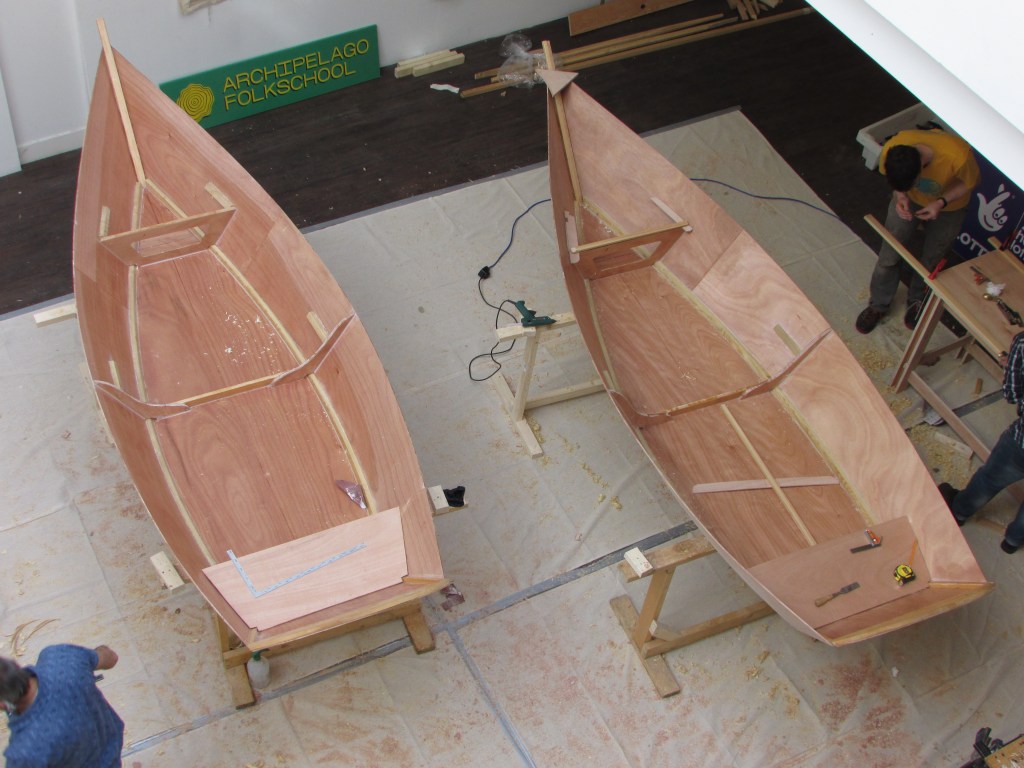
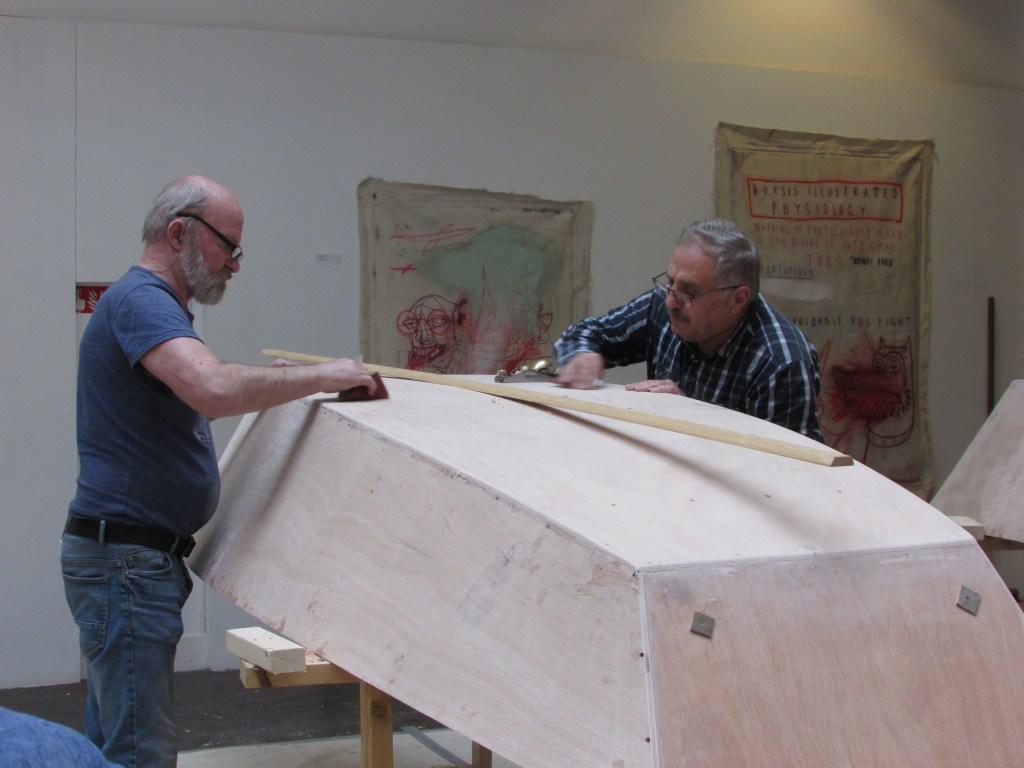
Photographs: As the boats became to take shape, enthusiasm built up amongst the participants. Credit: Author's own
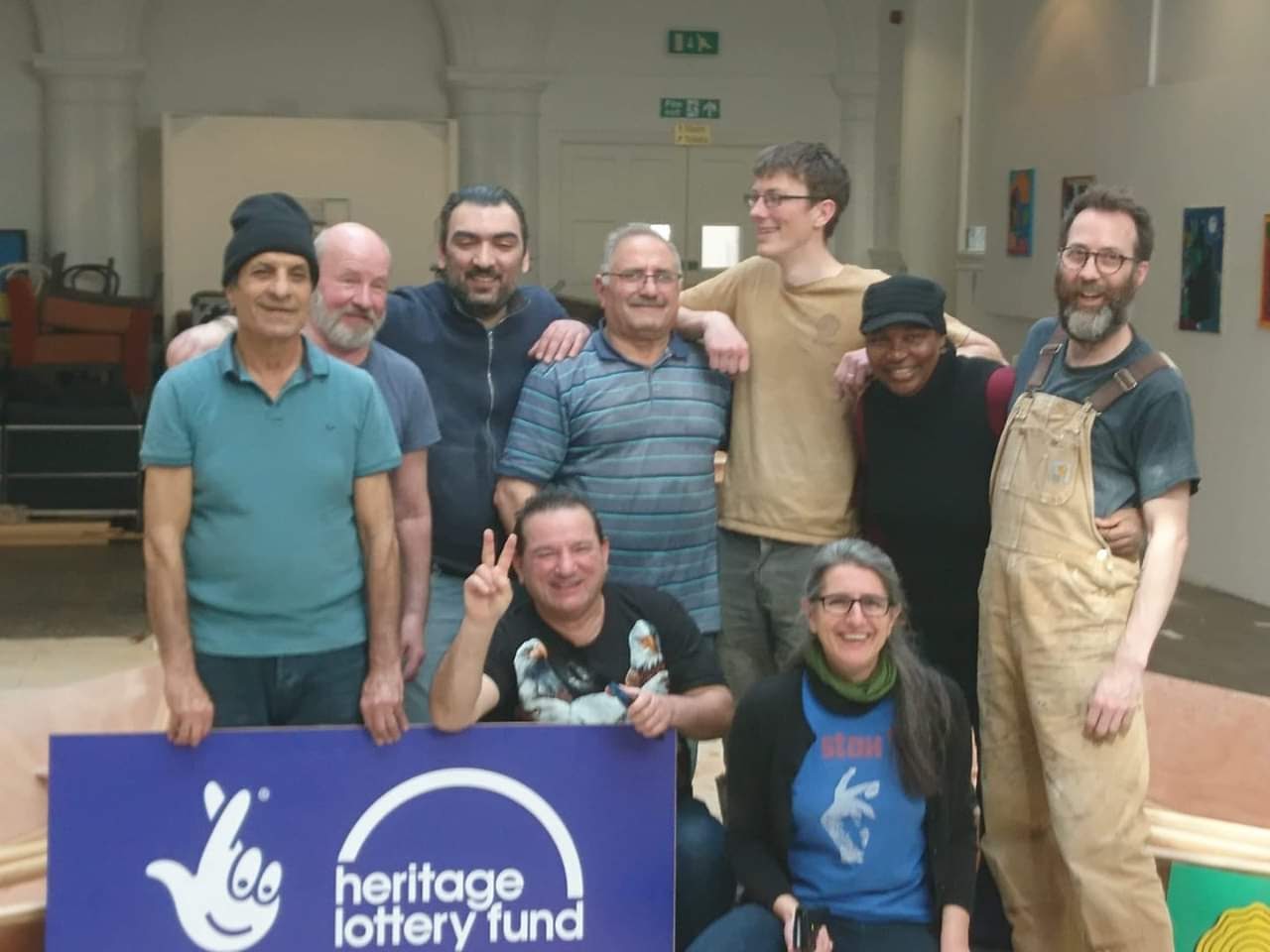
Credit: Author's own.
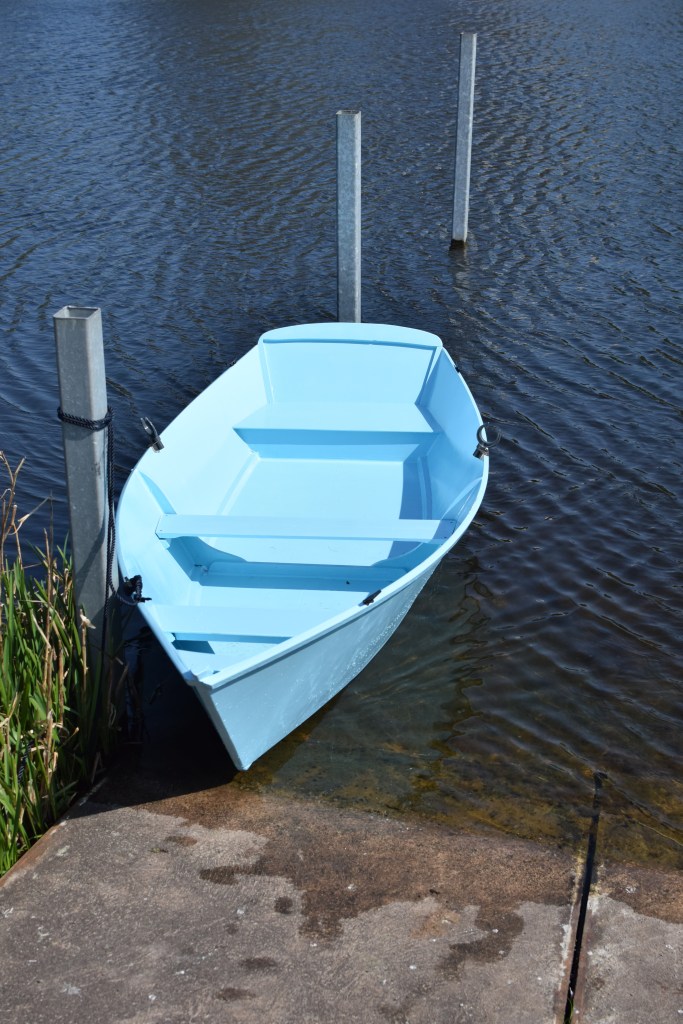
photograph: One of the boats in the canal. Credit: Author's own.
Boat 3, Seagull Trust Boathouse, Kirkintilloch
Kirkintilloch has a long history of boat building, with the McGregor and Hay’s Boatyards, building and repairing puffers and lighters in the industrial period of the Forth and Clyde canal. The Kirkintilloch canal basin, where the boatyards used to be, is now a regenerated area which is called the Southbank marina. The marina is now the home of canal boats and a brand new boathouse, managed by the Seagull Trust, situated at the exact place of the old Hay’s repair boatyard.
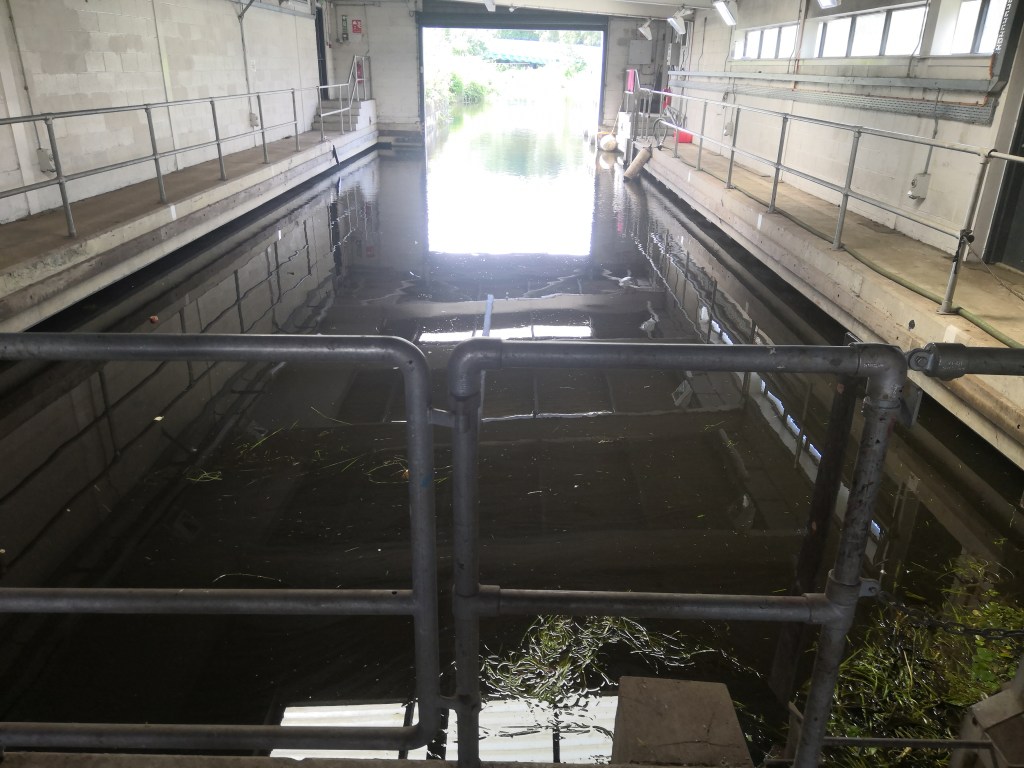
Photograph: The boathouse is an unusual space to be. It is a building which keeps the elements out but at the same time it lets water in. The participants had to get used working next to the water and make sure to stay away from the edge. Credit: Author's own.
In Kirkintilloch, it was easier for me to find a space to set up a boat building activity for the case study. I knew members of the Seagull Trust, from my volunteering work with the FCCS, so I asked them for the boathouse. The group trusted us with the keys and their mess room. The young participants were thrilled about this and they felt responsible for the space.
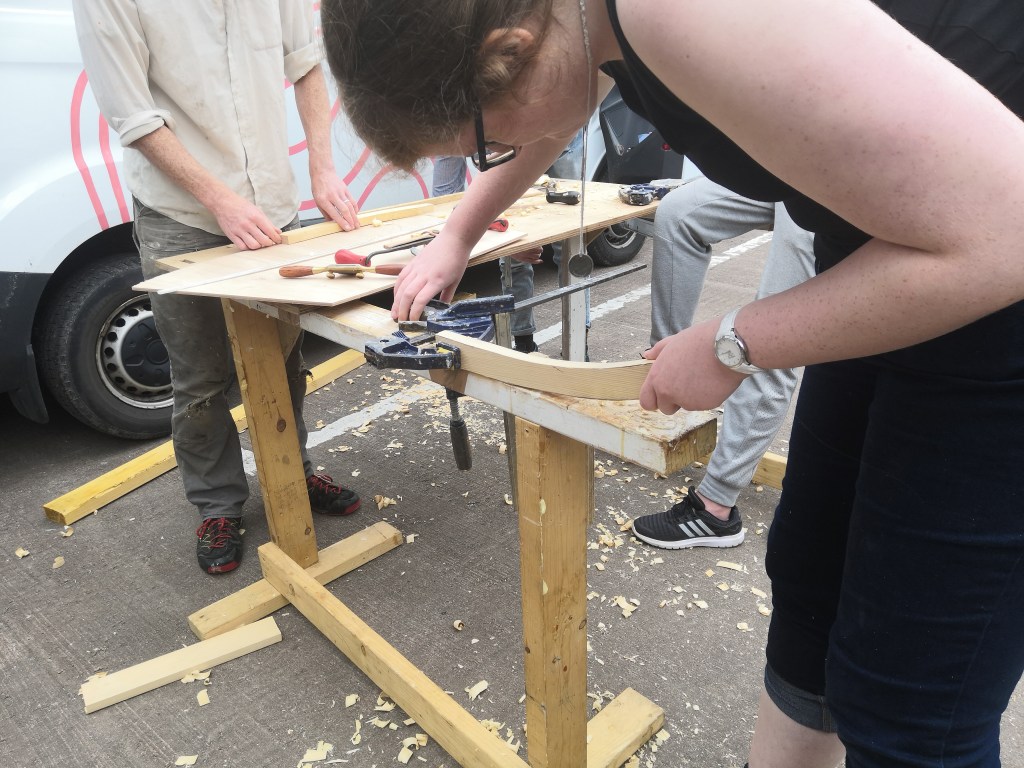

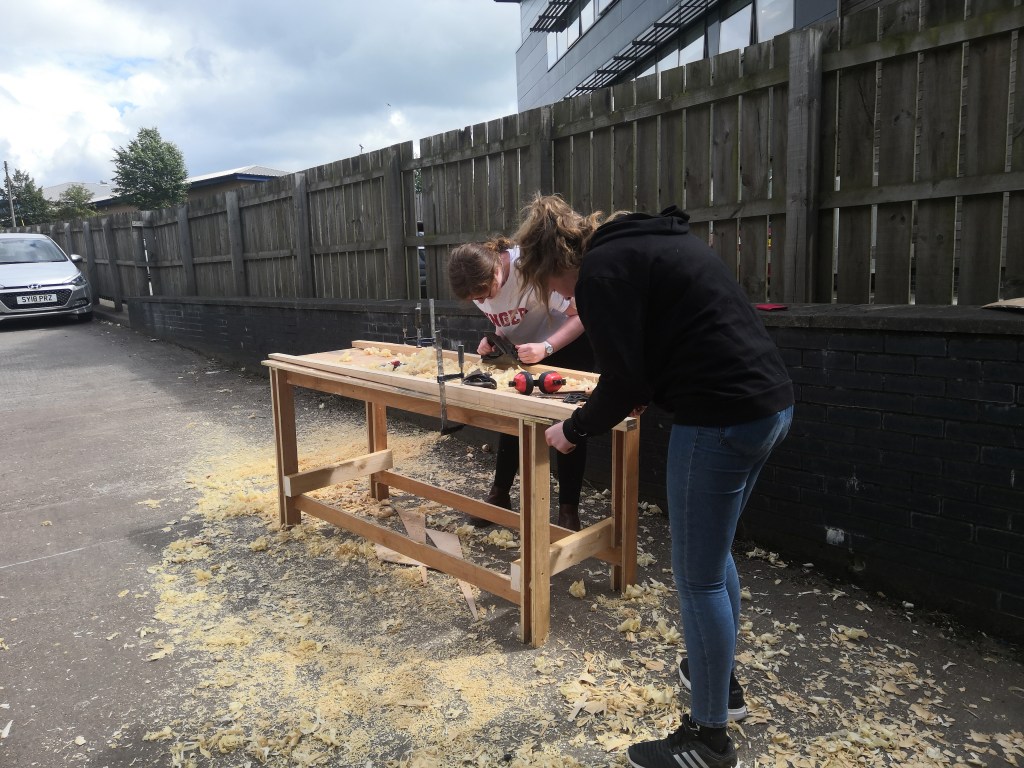
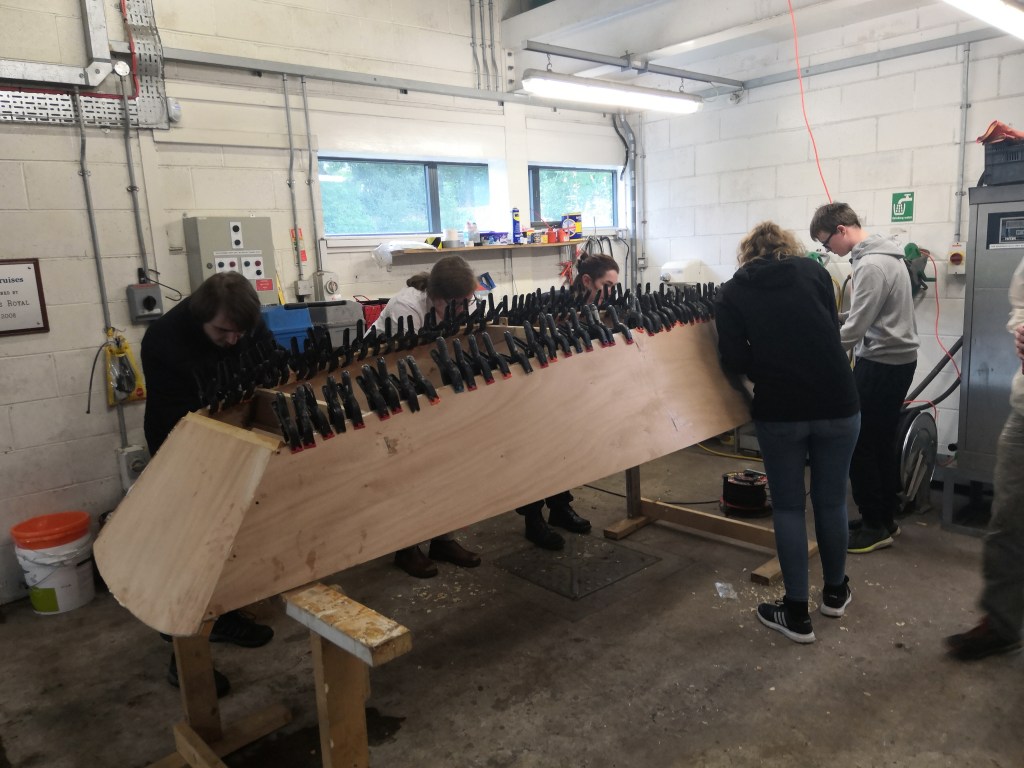
Photographs: The majority of the participants in this group were familiar with the marina and the canal as they lived near it.
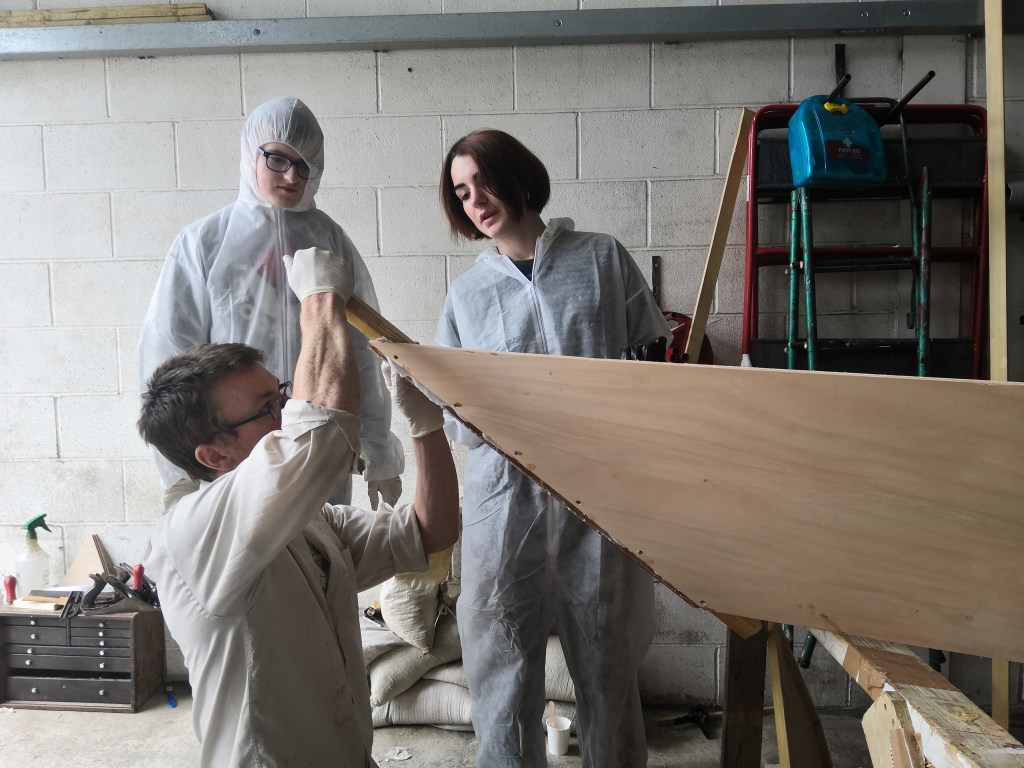
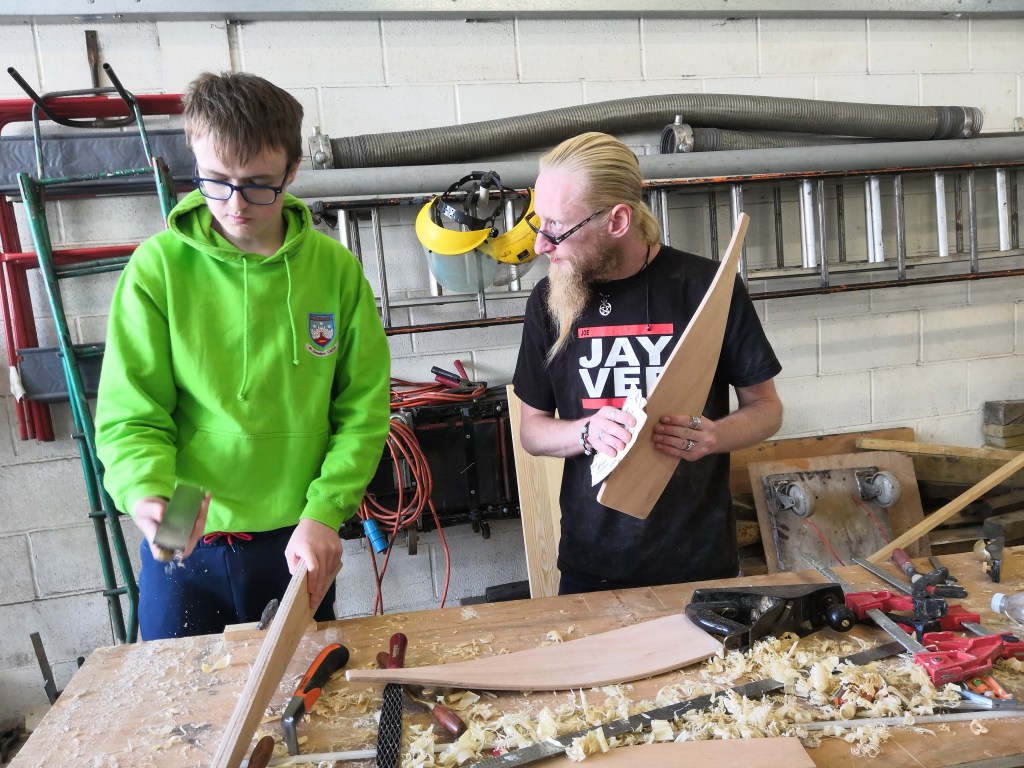
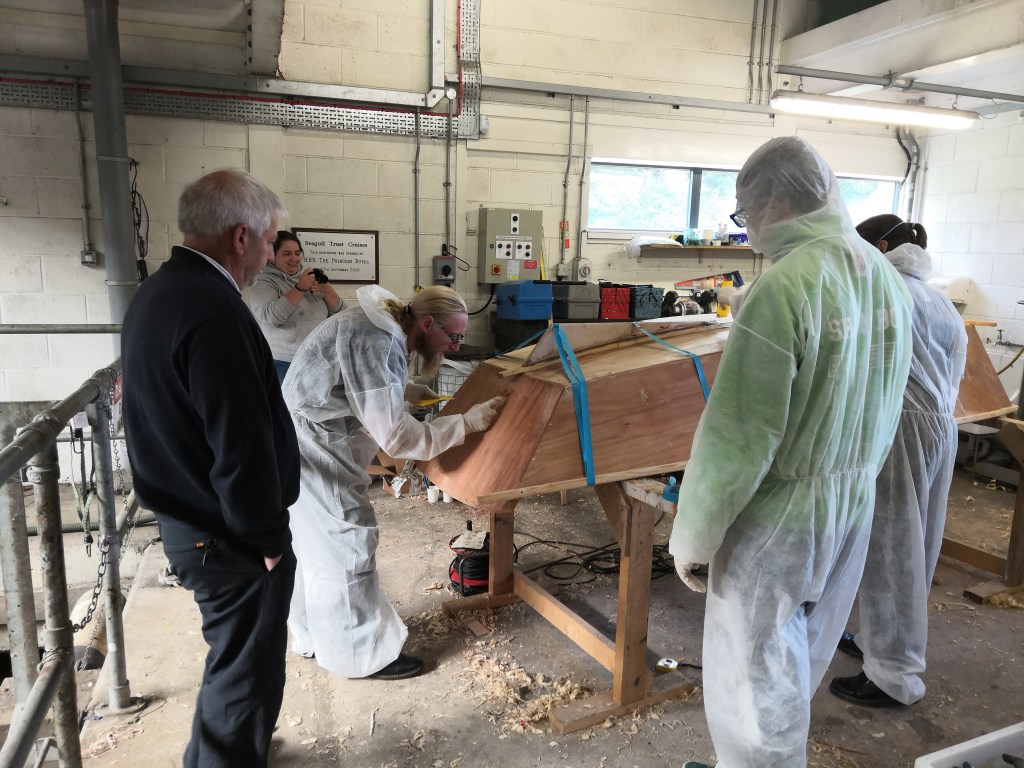
Photographs: All five participants worked for a week, everyday, full time, to build their boat.
Members of the Seagull Trust visited the workshop many times and encouraged the young boat builders during their work. In this workshop, the tools bonded the participants, who had never been involved with an activity like this before. They were eager to use the boat. The boathouse was a special space, dry and water areas are next to each other and one needs to pay extra attention not to fall in the basin.
Lunch
Sharing lunch together was an element of the activity of equal importance to the other actions. lunch was discussed first thing every morning and at lunch time the group would seat outside on the pontoon to have their food next to the water. The place where the lunch happened became significant to the participants as it was where they discussed issues that concerned them and opened up to new friendships.
They also noticed the canal, the plants and the fish and insects as they made their presence at the water.
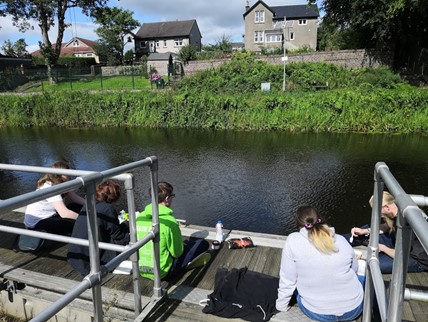
Photograph: Lunch was a significant part of the activity. Credit: Author's own.
“I went to school just there (pointing opposite the pontoon at the secondary school on the opposite bank). I never thought about the canal then. The canal means nothing to the kids at school. It’s just somewhere to throw rubbish in” (Participant 4)

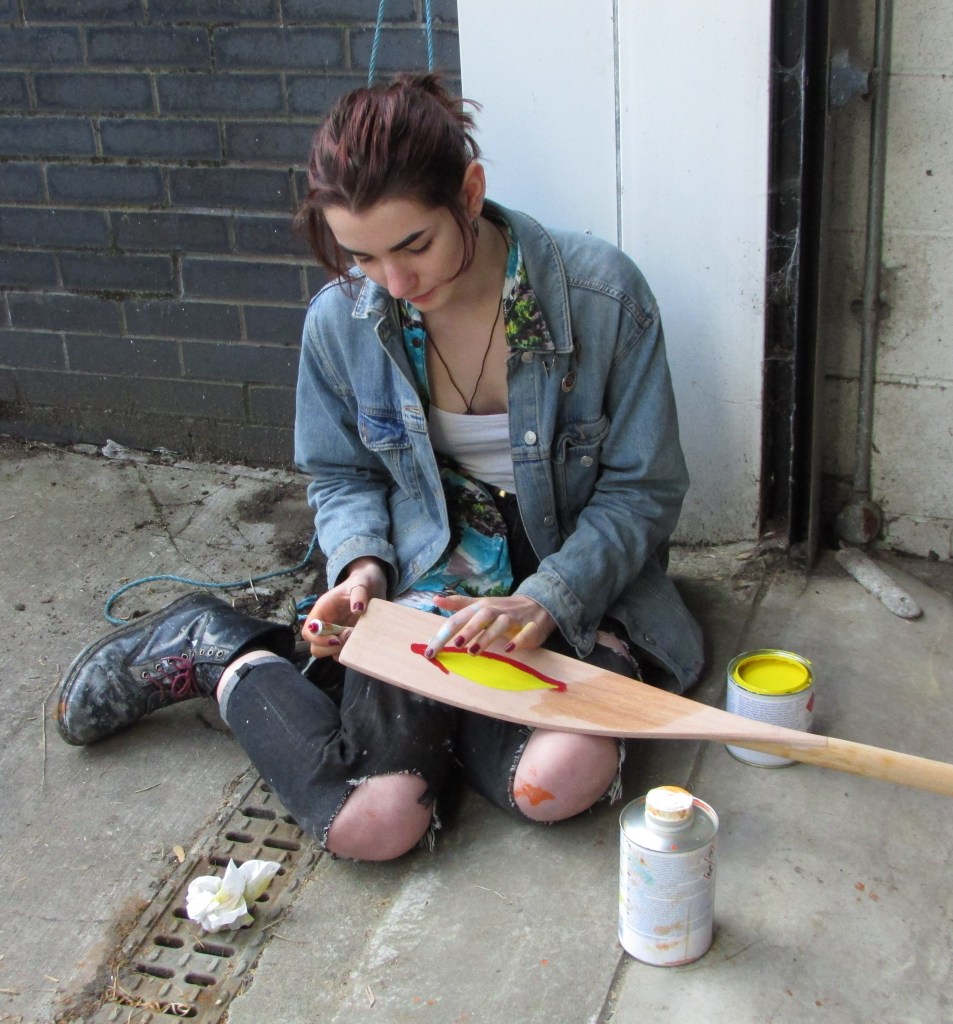
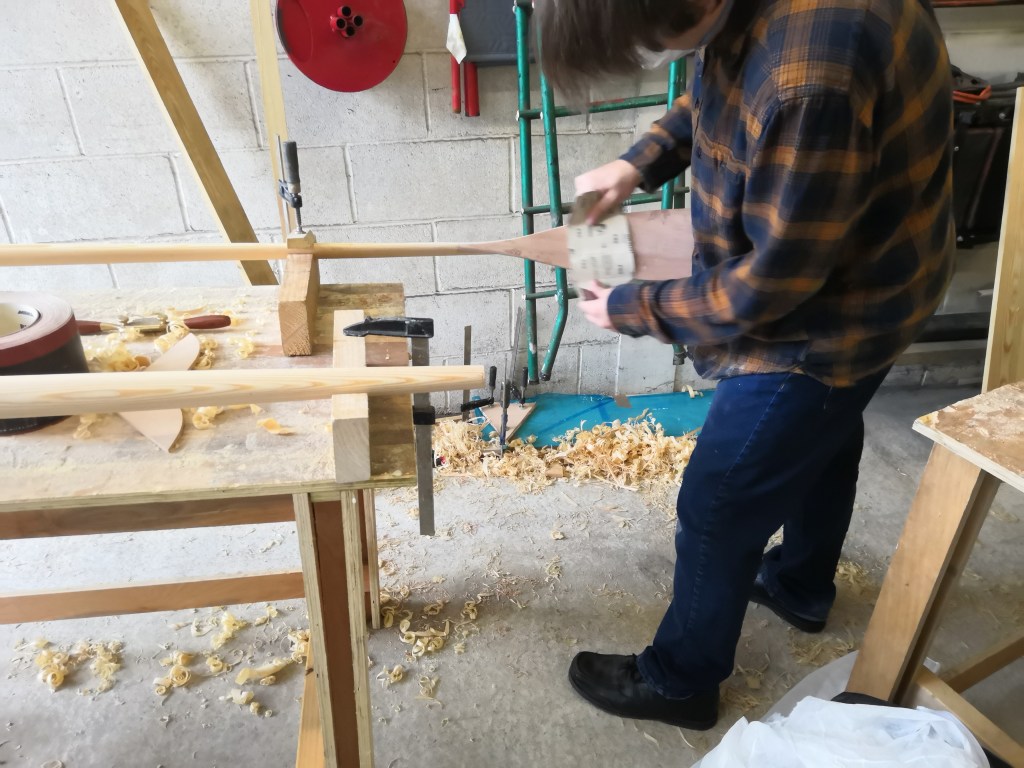
Photograph: The oars were worked for hours to achieve a high standard result. credit: Author's own.
Photographs: It was great excitement when the participants realised that their boat floats. Credit: Author's own.
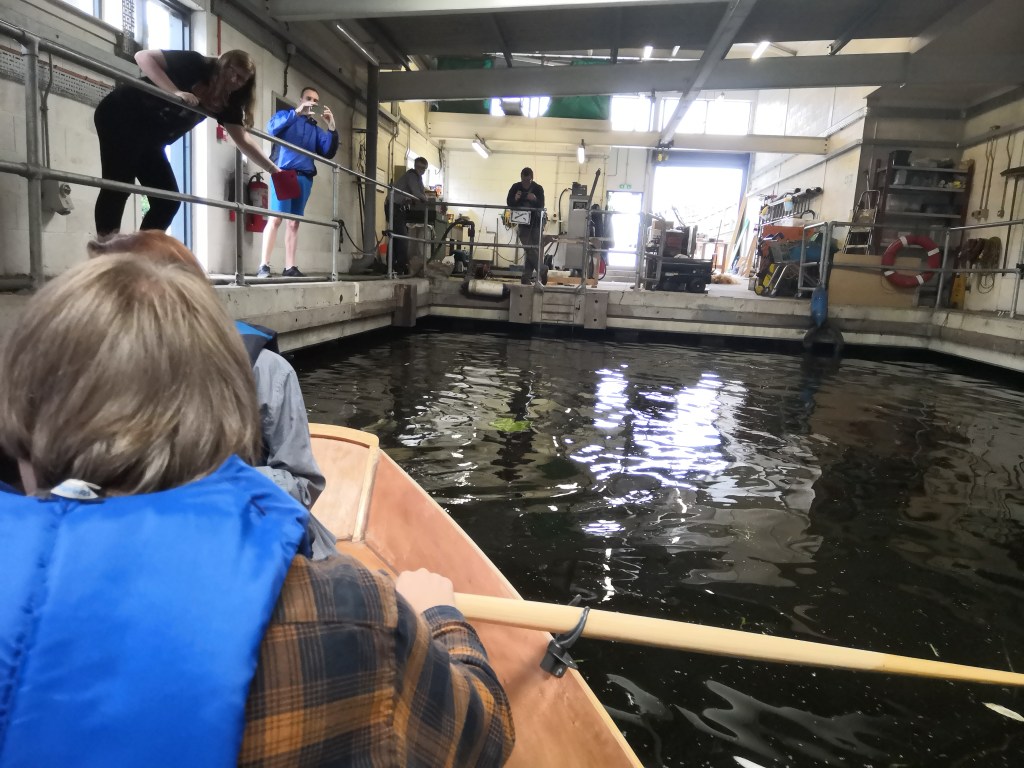
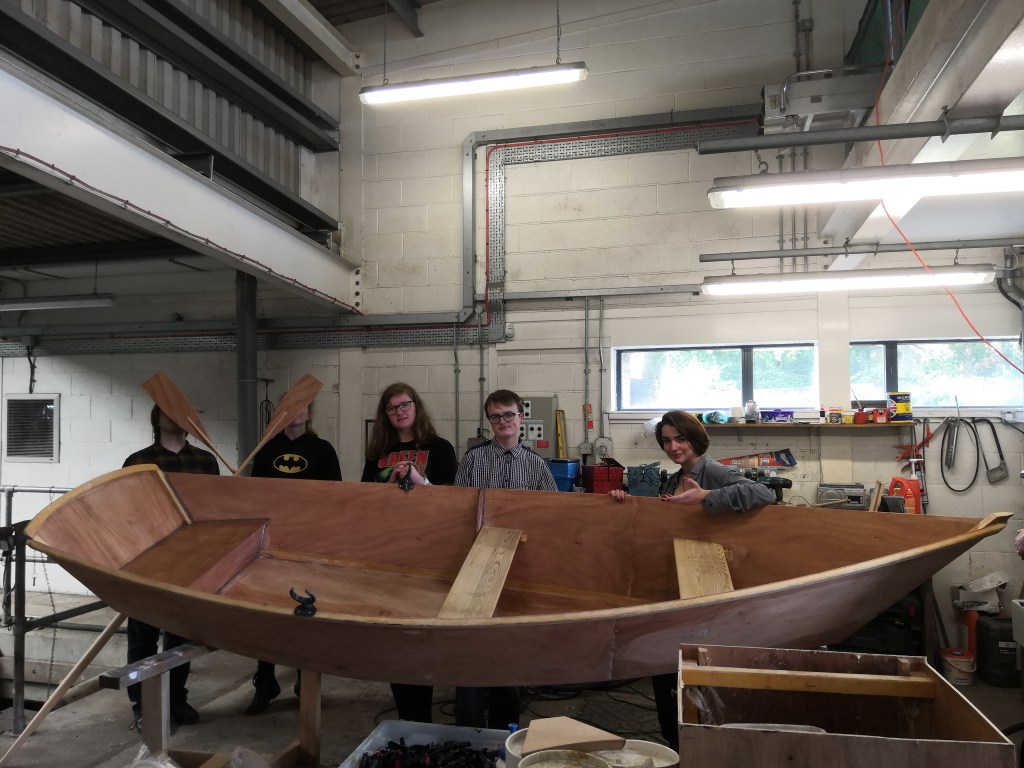
Photographs: The group wanted to use their boat immediately after it was finished. Being in the boathouse made that possible.
The participants spent another week painting the boat. They had instructions from the boat-builder how to do the job. They decided to make sure the painting secured the boat’s safety, but they had different ideas about how they wanted their boat to look like.
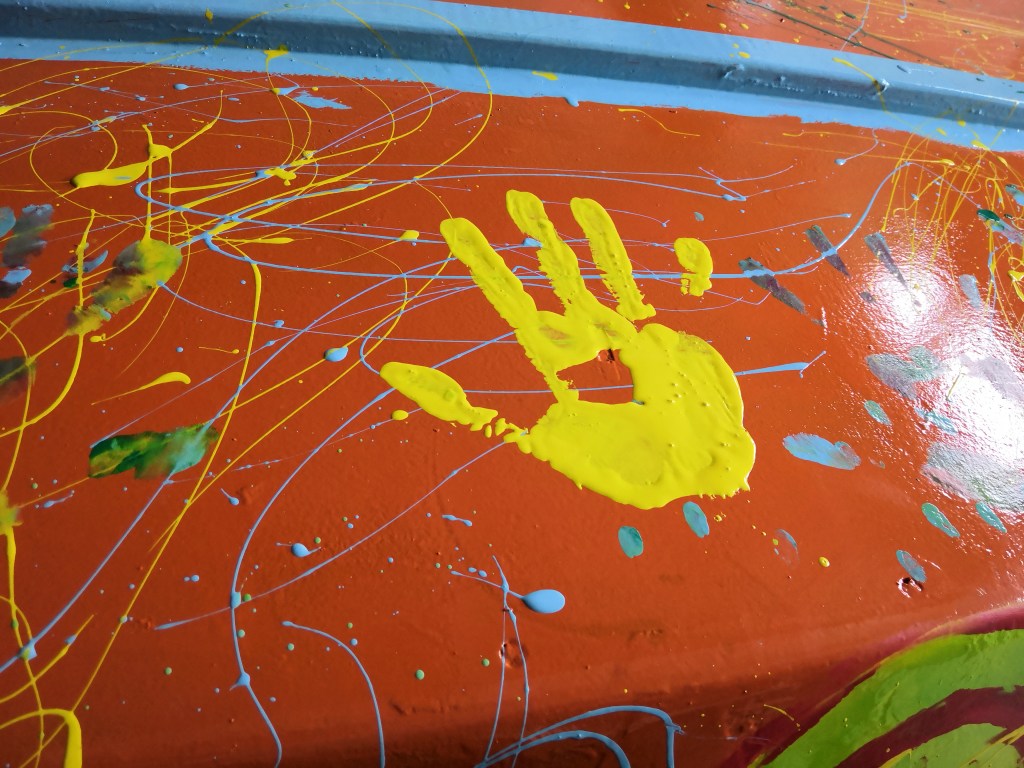
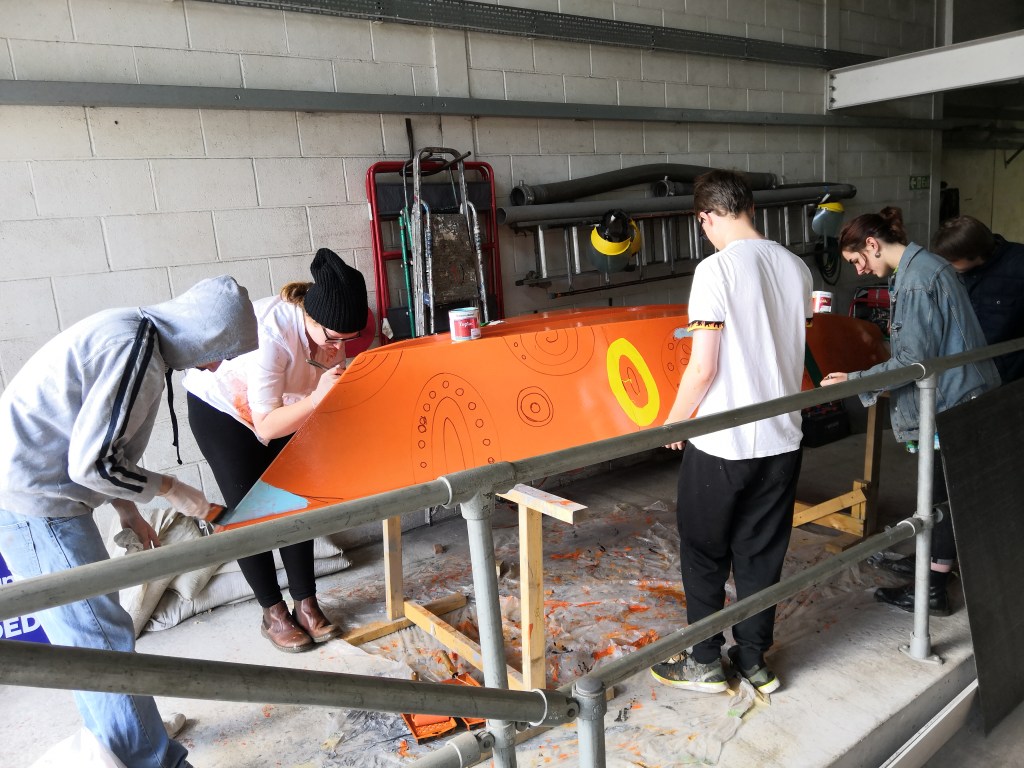
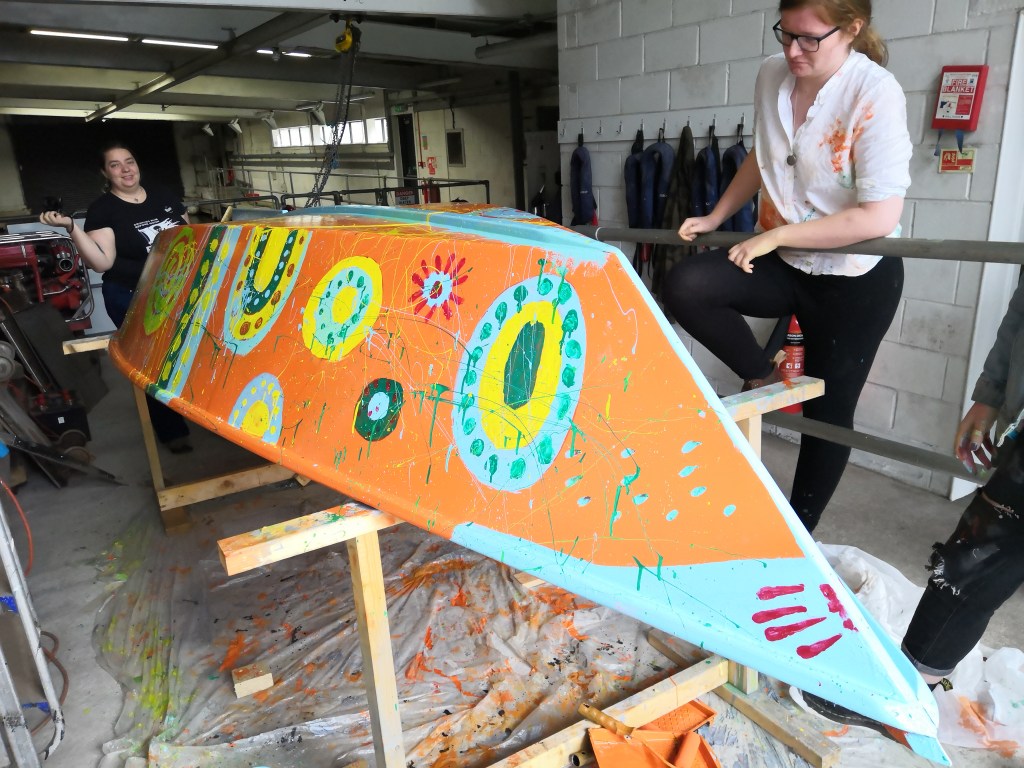
Photographs: The young participants made sure that they claimed the boat as their creation, so they all put their fingerprints on it.
Older boaters didn’t approve of the colours of the new boat. They believed that boats need to carry their colours in a specific way.
“This is not a boat!” (A volunteer reacted to the young participants colours of the boat.)
The Film
Film: Participants wanted their boat to be called WAWHFL (What Are We Having For Lunch), to remind them that the workshop was not just the boat but their relationship with all the aspects of the activity.
 Livescape