
Cruise 1
Two groups of women embarked on a canal boat to learn more about the canal on their doorstep.
The tiller on the boats is predominately the object that turns the boat to the desired direction. It helps avoiding obstacles and it keeps the boat in position. Also, it is an object that connects communities with the boats, as it is an easy way to operate a canal boat by making it easier for people with no previous boating experience to use.
The FCCS in the past had run cruises with schools when children had the opportunity to navigate the boat down the canal. Letting the wider community using the tiller to navigate a boat became a way for the FCCS to connect with people and sometimes to manage negative attitudes towards the canal boats (vandalism). It was reported that children with experience of using the tiller on a school trip, had a better understanding of canal boats and acquired respect for the waterway.
An object like the tiller became meaningful with the power to change people’s feelings towards their environment. This example is the activation of the livescape.
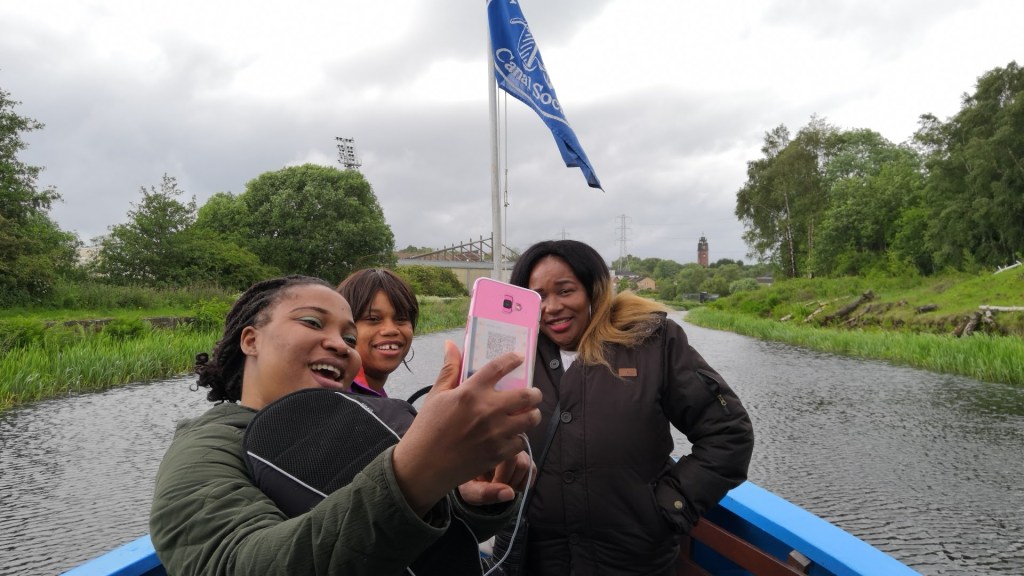
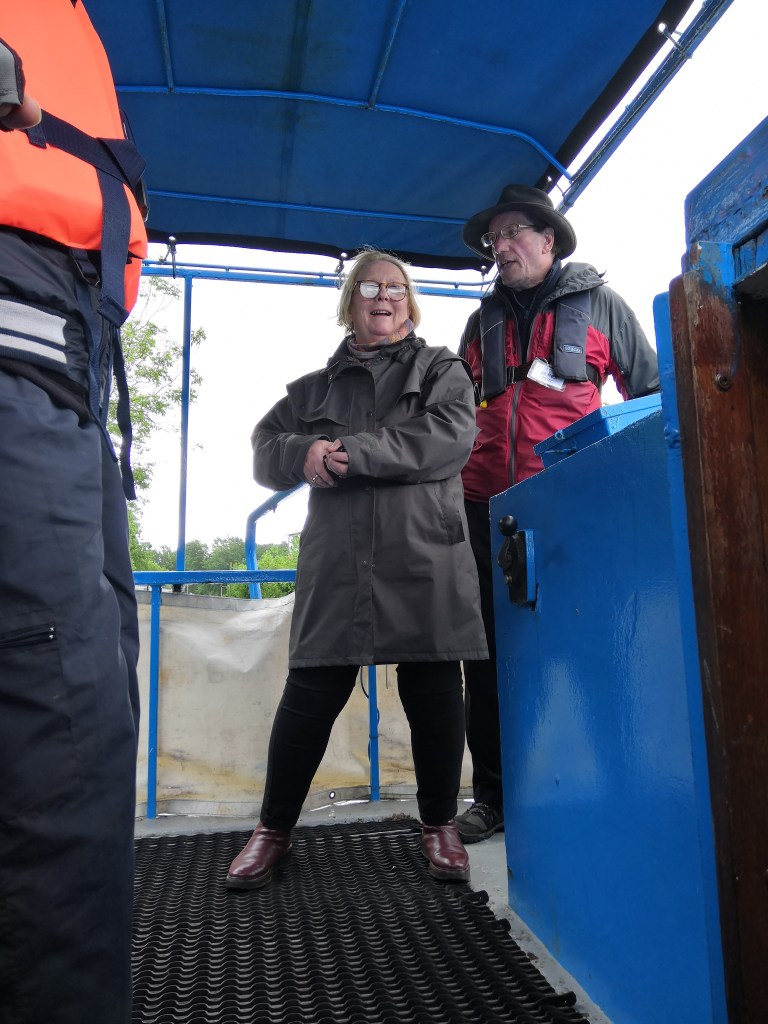
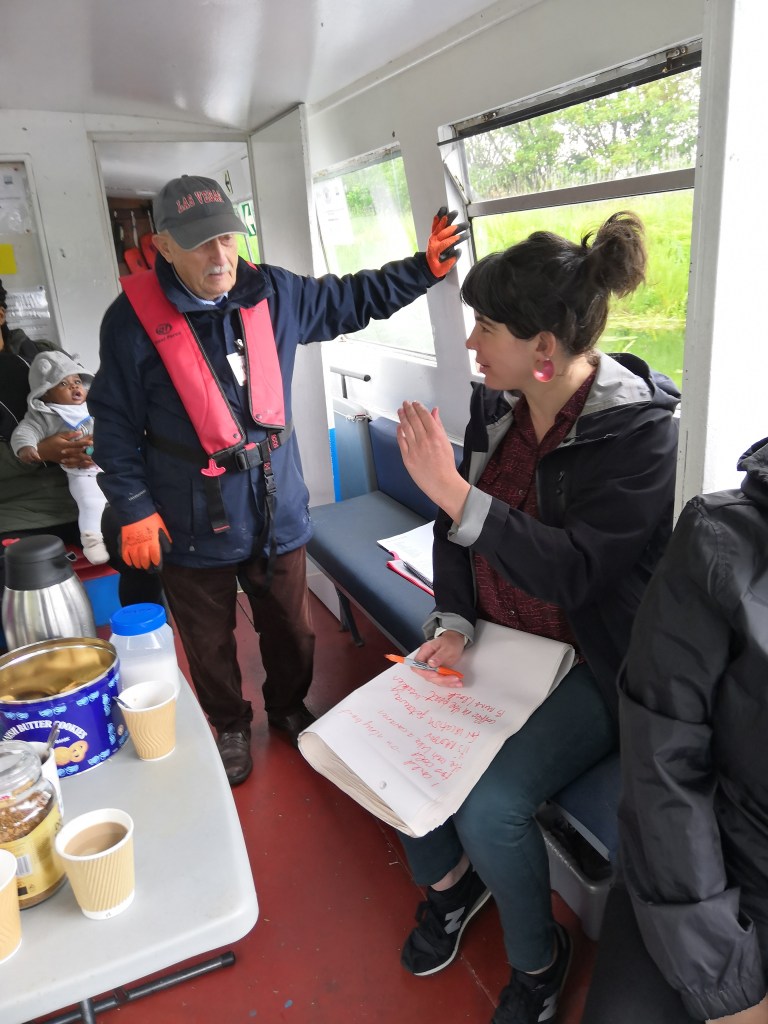
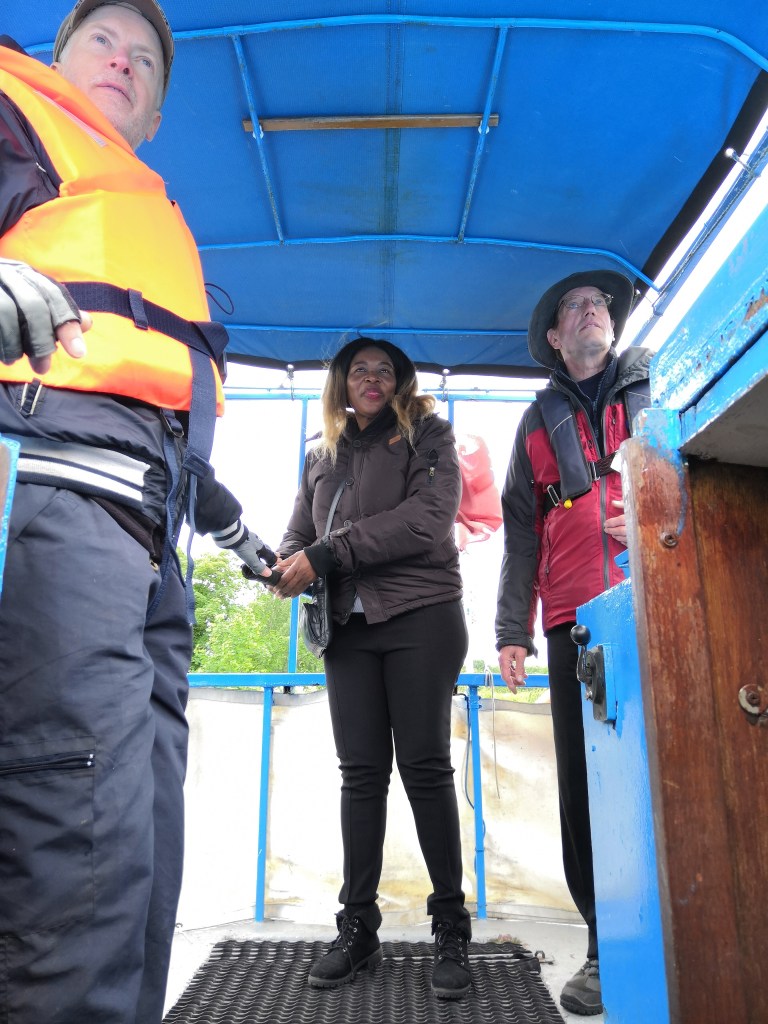
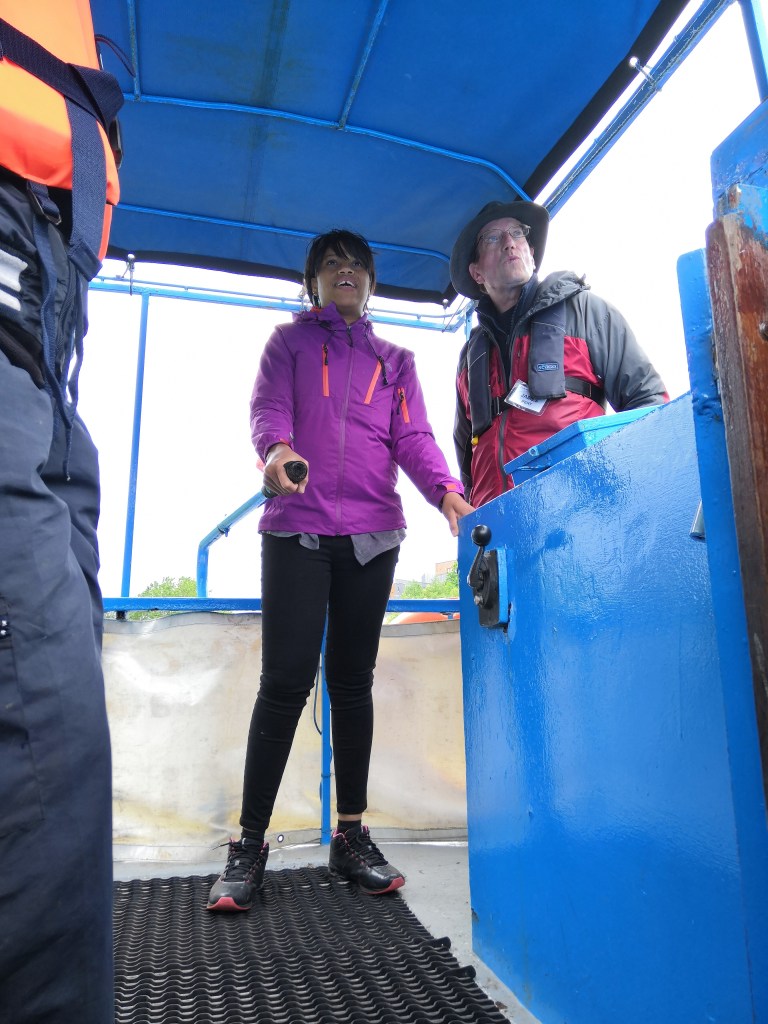
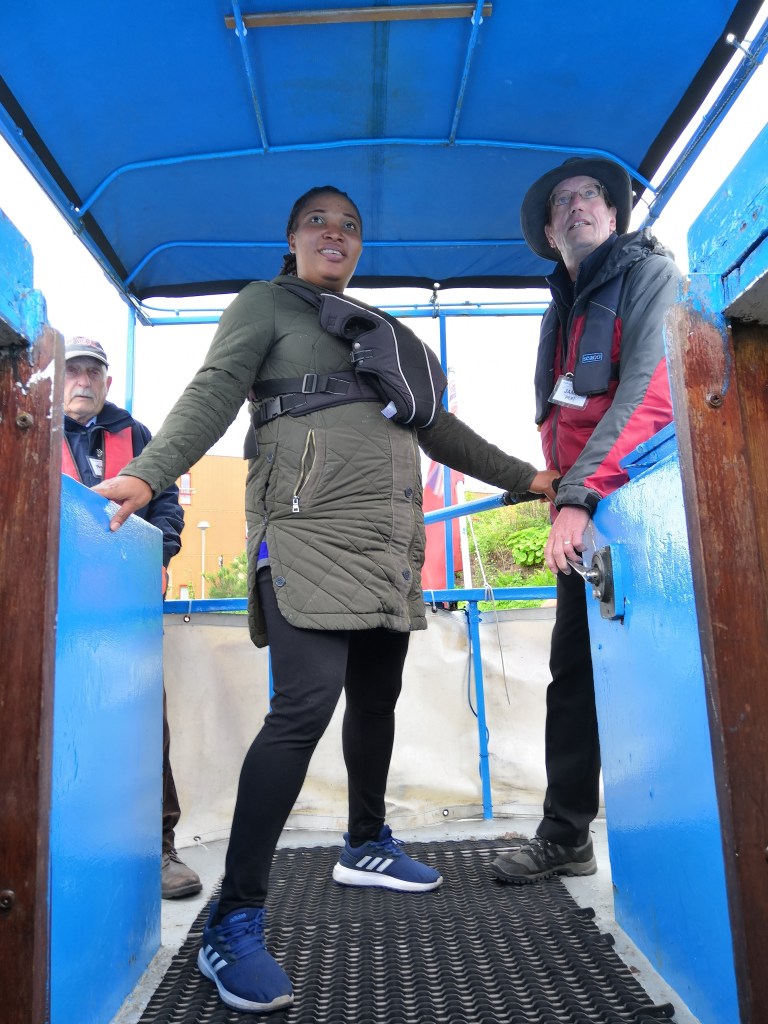
Photographs: These are all images from the cruise with the FCCS boat Gipsy Princess. The cruise was, for some of the participants, the first time on the water. To others the cruise reminded them water journeys back home, on other waterways. FCCS volunteers were happy to chat with the participants and share their knowledge of canal boats and canal journeys. The photographs show participants on the tiller, navigating the boat down the canal, under the instructions of the Society's volunteers.
After the experience of steering a boat and because of a gush of wind bumping it to the sides, it is a shocking situation that puts pressure on one’s sense of security. After that experience one understands the physical existence of the canal, not as a monument but as a real thing that contains individuals but also their community; the canal’s dimensions and variabilities and one understands the importance of belonging, and depending on one another.
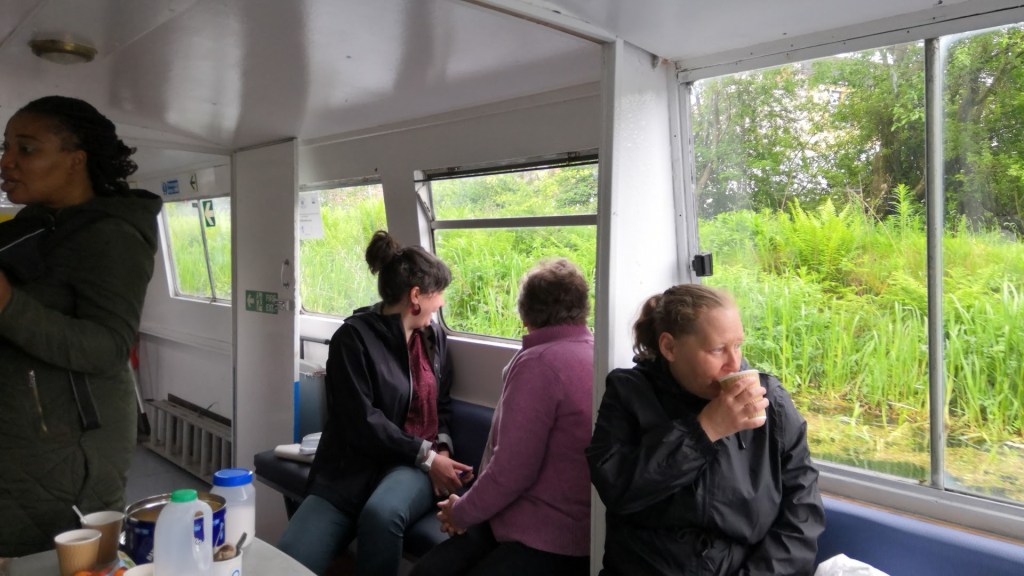

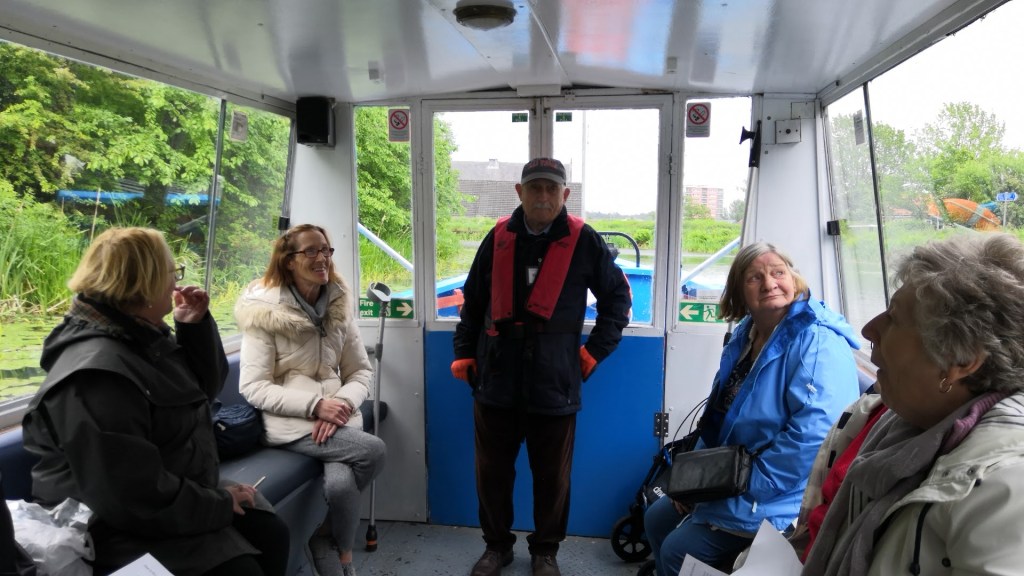
Photographs: Participants enjoyed looking at the area they were very familiar with but this time from the water point of view. They notice how wild life behaved on the water and the debris hat was floating around. The locality looked different from the water too: the participants looked at work that was happening at their neighborhood in a different way, because looking to the world from the changes one's perceptions. Participants asked the volunteers about canal distances and they learned about the amount of time it would travel to places such as Edinburgh on the canal. Perceptions of the city change when one thinks while on water.
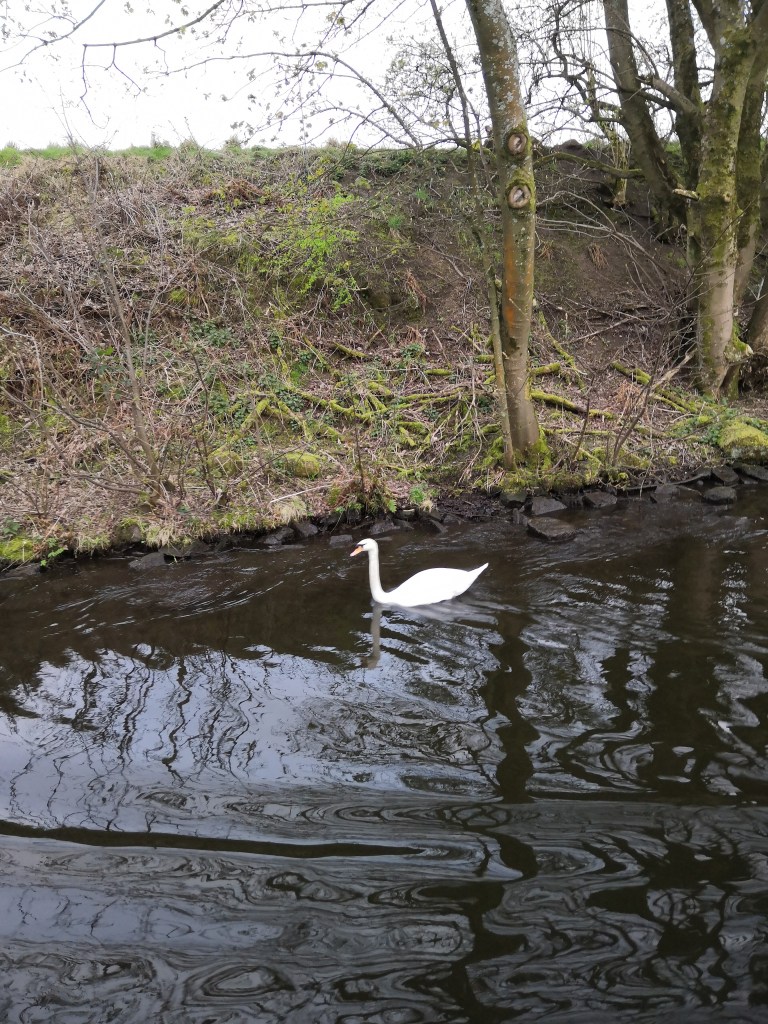
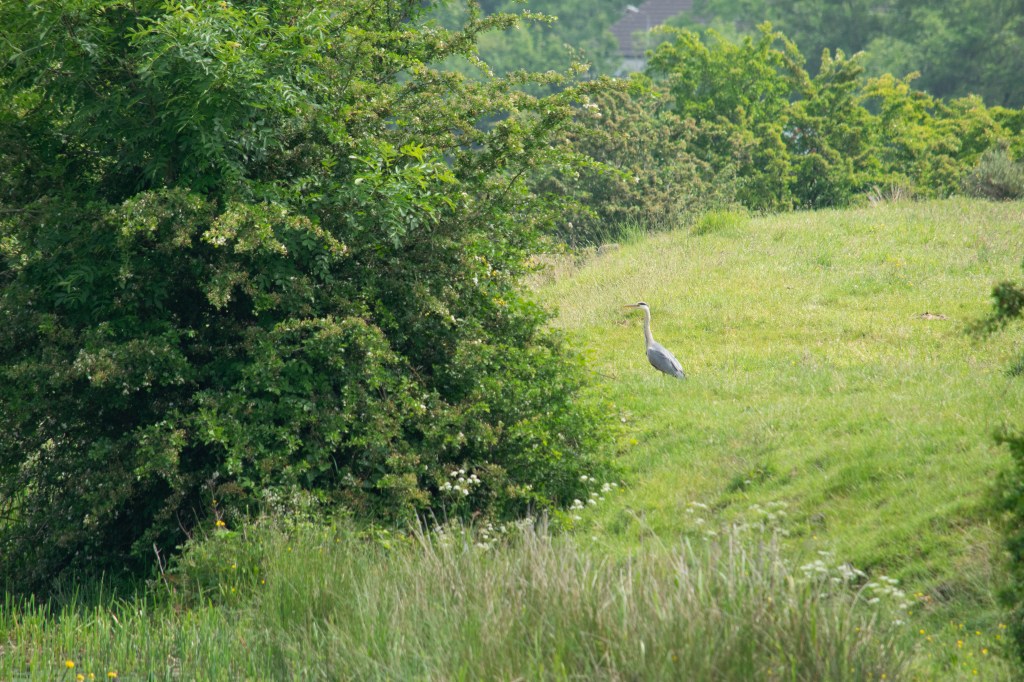

Photographs: Wildlife on the canal is rich, and many birds and animals have their nests right next to the water away from the crowds. Features of the canal such as locks feel different when they are experienced from a boat.
This is a new experience and making possible something that there is no usually an opportunity for, exposes a tension in the heritage environment. Navigating the canal with a boat, creates the platform where communities come together to try something new, related to their locality. Not only one gets together with new groups, but they get to know their place with a hands-on experience. This is heritage practice through integration.
“It’s a lot different seeing the area from the boat. You see other things. You pay more attention when you are on a boat” (Participant 4)
Video: Participants on the Cruise 1 talk about their first hand experience on the boat, the canal, and using the tiller. They also talk being together with others and feeling that they had achieved something.
“I had a wee shot at the driving. I never thought I was going to do that. Nice people. Meeting different people.” (Participants 3)
Cruise 2
Later in the summer, another group of women, a choir, went onboard the Gipsy Princess. Some of them wanted to try the tiller and to steer the boat on the canal. They followed the directions and guidance of the volunteers and the volunteers shared stories of travelling up and down the FC canal.
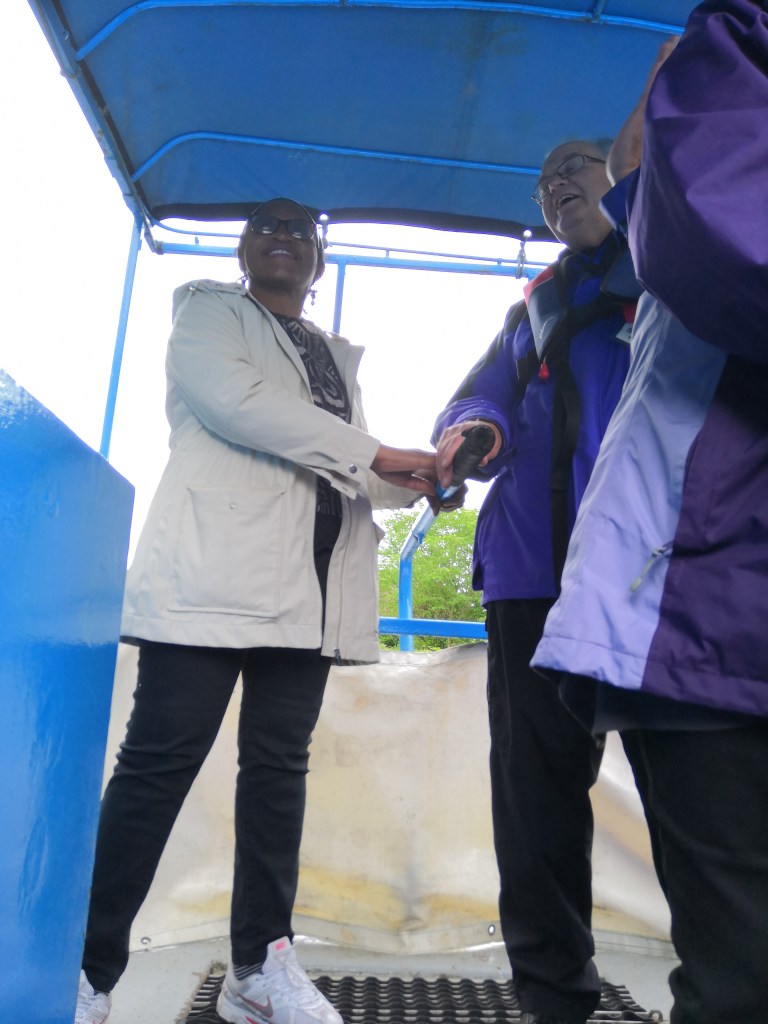
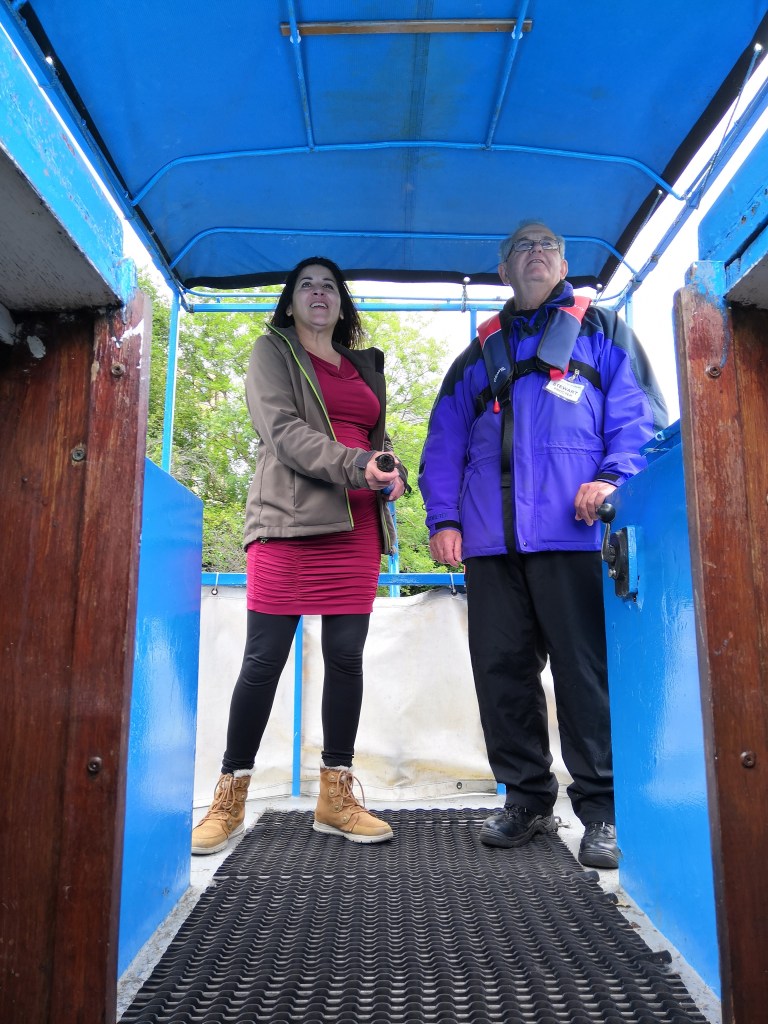
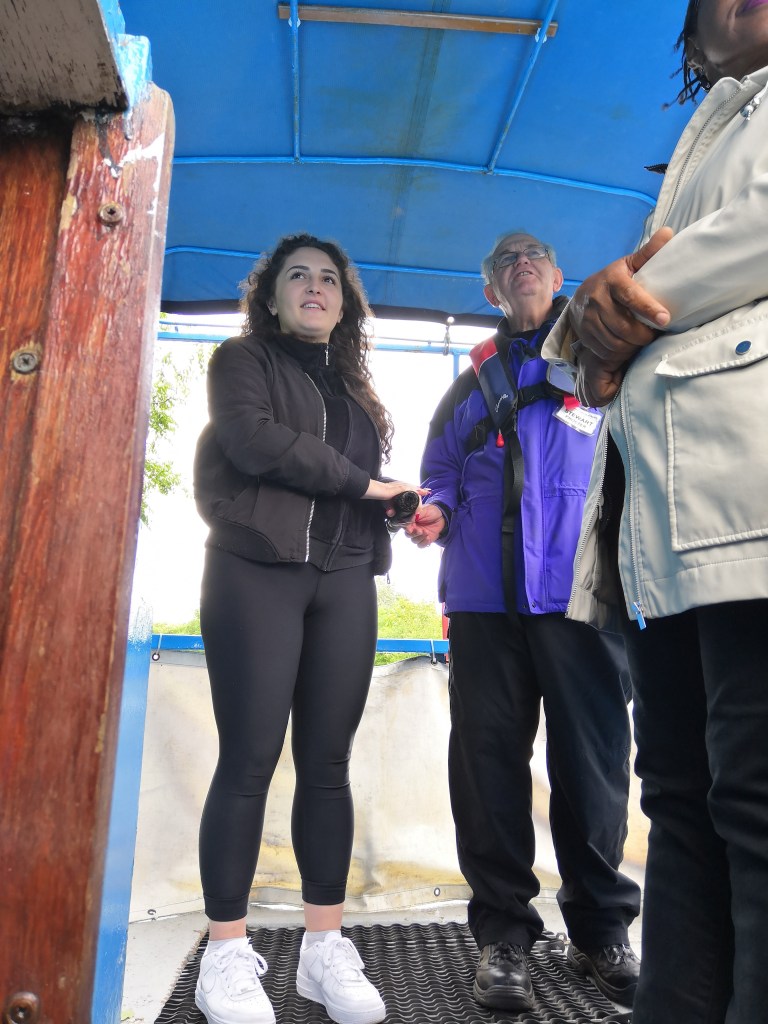
Photographs: Participants had a go at the tiller. They were very curious about how the boat moves and they were surprised as to how much water currents and the wind obstructs the boat movement.
The song
The group consisted of women who come from many different places and singing is the thing that empowers them. The women were singing songs from different parts of the world. Being on a boat, is a shared memory, and singing gives us the power to own the place.
Video: travelling down the canal and singing songs. Both activities reclaim space in the city environment.
“Then, after tea and coffee, they all started singing. M and A stood up to lead the songs. “R walking with me; walking for equality, she walking with me”. The women use names from the people on the boat in the song. There is a lot of clapping. It’s a singing boat. Walkers on the tow path stop to look at us; they wave. M seems so happy. She sings with passion. Everybody smiles as the songs have all meaning of peace, friendship and hope.” (Field notes)
Singing on the boats was significant for the participants. Refugee communities rely on group activities that empower them and give them opportunities to integrate and take initiative. The group and their songs are about equality, freedom and hope. The boat and being able to steer it themselves in the canal, provided symbolism of being in a place on equal terms; it is reclaiming place.
Video: Place-making changes to the environment of the canal are noticeable from the water. In this video one can see wildlife (the heron) next to the works for the regeneration of the canal green spaces. Credit: Author's own.
Being on the boat, provided an opportunity to view the locality from a different perspective. There was regeneration building work at the canal area, which was closed to the public. The women had the opportunity to have a good look at the works and spot some wildlife at the same time.
“The boat was cruising through the local area and at some point the stadium appeared. This is a prominent feature in the area. Everything seemed to take a different meaning now being together, the buildings, the song, the boat and the canal.” (Field notes)
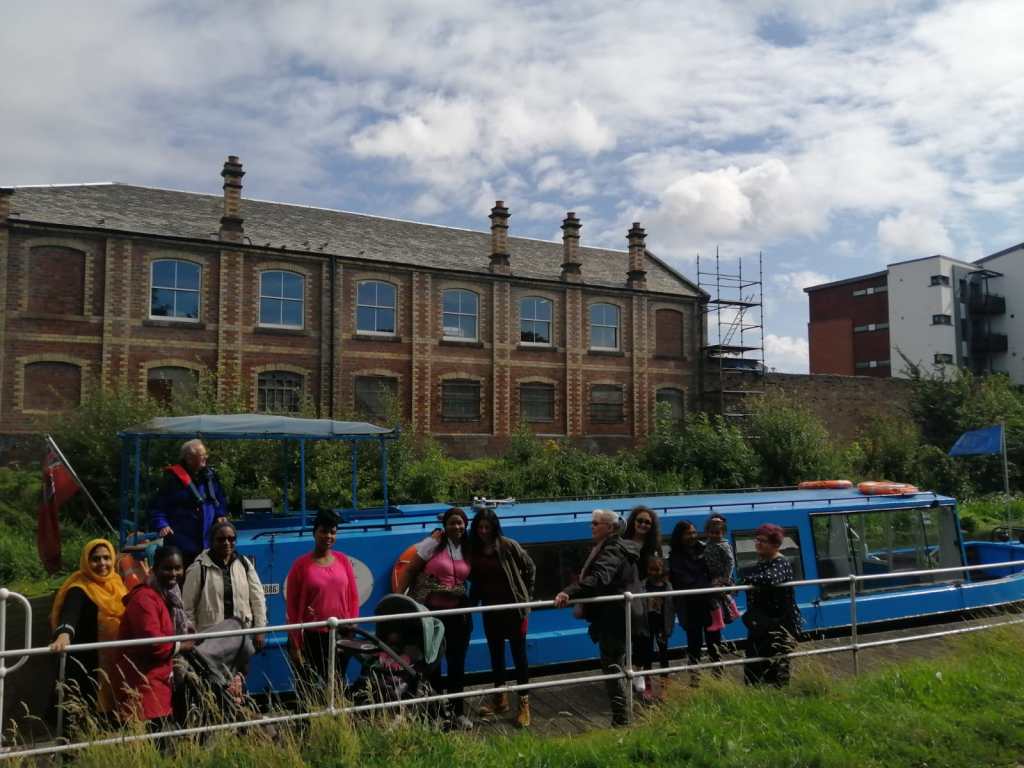
Photograph: This is an image of the group of participants before they embarked the canal boat for the cruise. They are standing at the mooring place at Maryhill, just a few meters away from a very busy road and the area they walk every day. Behind the boat one can see a building from the industrial period of the canal, which is now converted to flats. Credit: Author's own.
 Livescape