
The Forth and Clyde Canal Society (FCCS) was established in 1982 and it was the umbrella organisation under which all boating societies on the Forth and Clyde canal (FCC) at the time campaigned for the re-opening of the waterway, which happened in 2001. The Society still campaigns for throughout navigation of the FCC, is vigilant of any issues that blocks navigation, and in 2018, after the failure of three bridges to operate, they campaigned again. The culmination of the campaign was a flotilla of a series of boats.
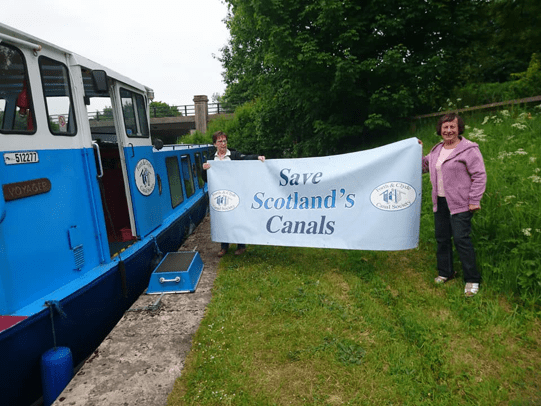

Photographs: Images from the campaign in 2018 for the re-opening of the FCC, after the failure of three bridges to operate. The FCCS continues the campaign for a navigable canal that lasts over 40 years.
After over forty years of campaigning, the FCCS was looking for opportunities to attract a younger and more diverse membership at the time when the research was starting with the University of the West of Scotland. The research looked at how the public was participating with the canal and the river, in and around Glasgow, so there was an agreement to put the two purposes together and apply for funding to support a yearlong community engagement project for the Society, and so the idea of CanalCraft was born. The CanalCraft project became the guide for the activities that were used for the research and part of the community heritage project became the case study for the research.
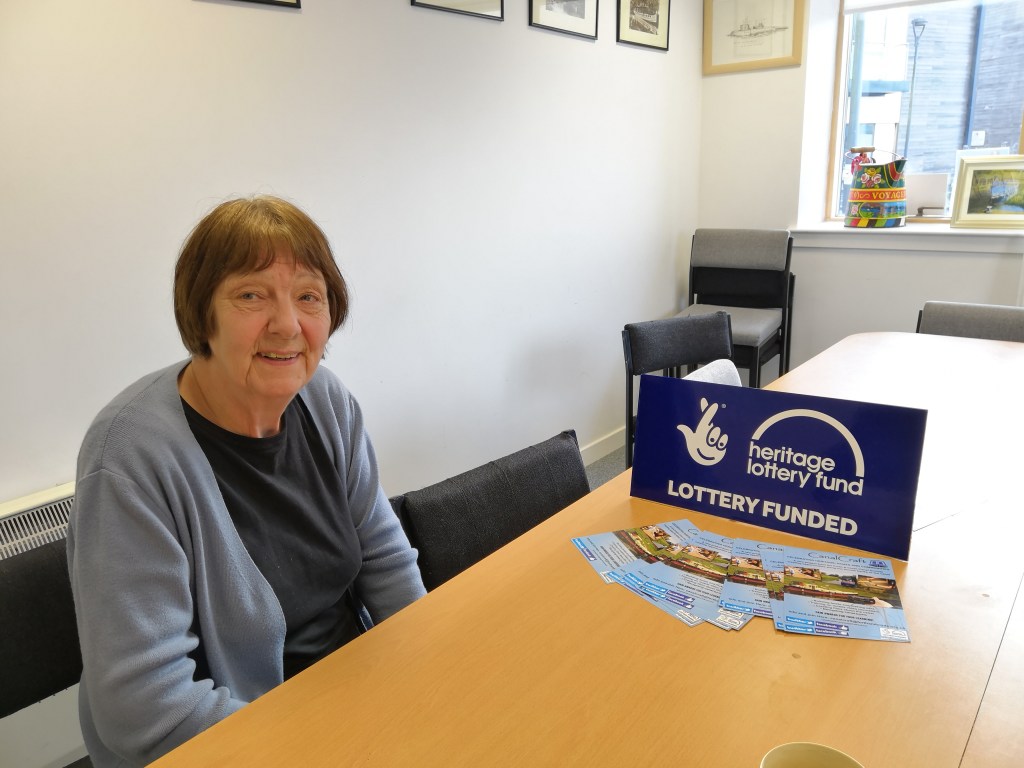
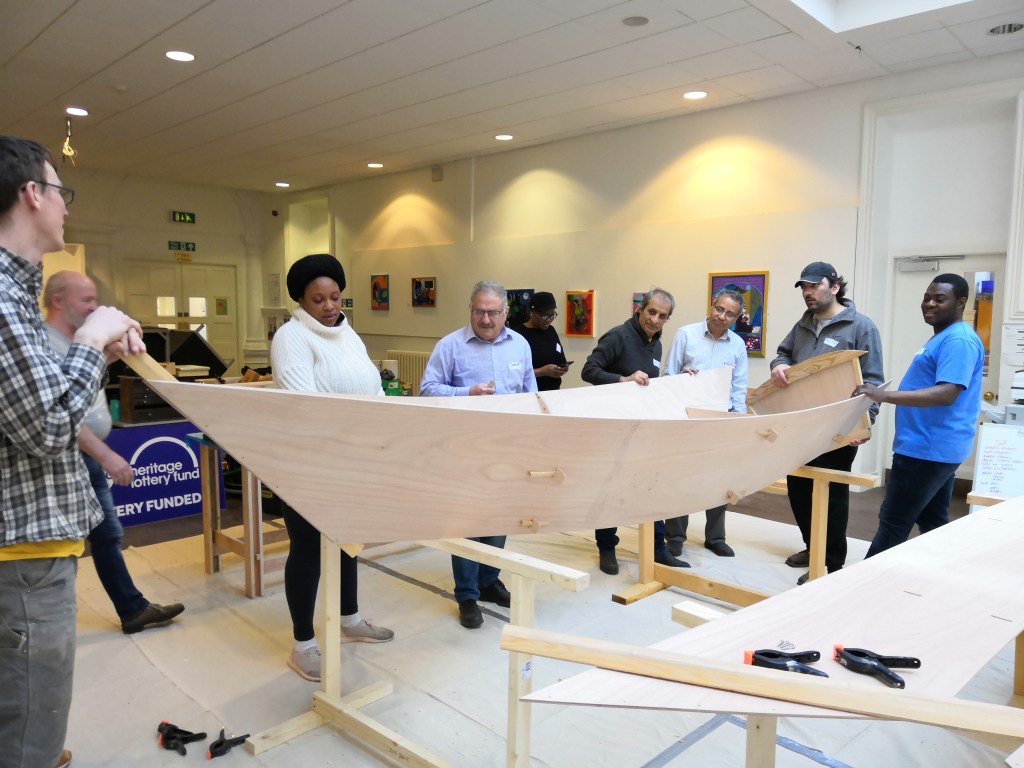
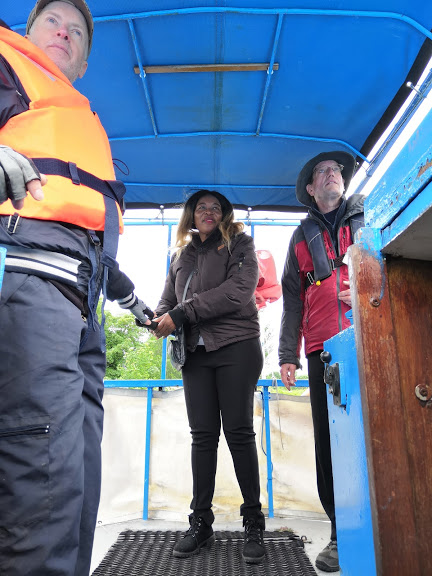

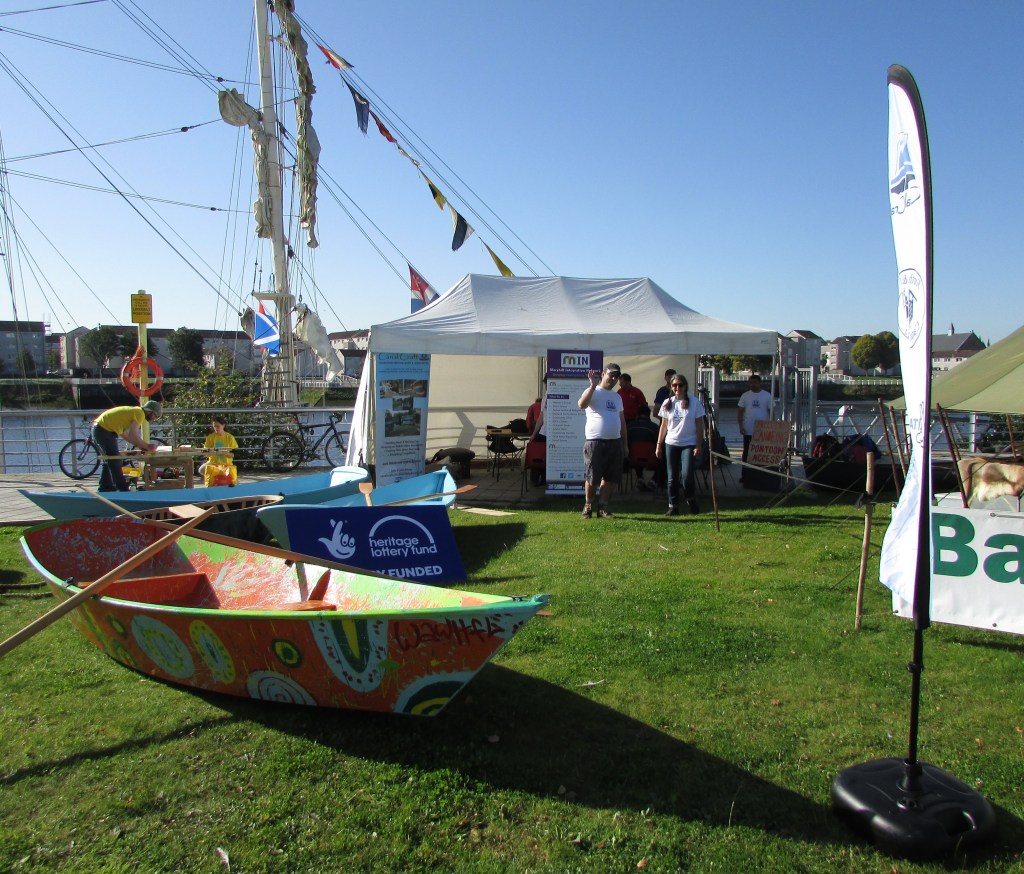
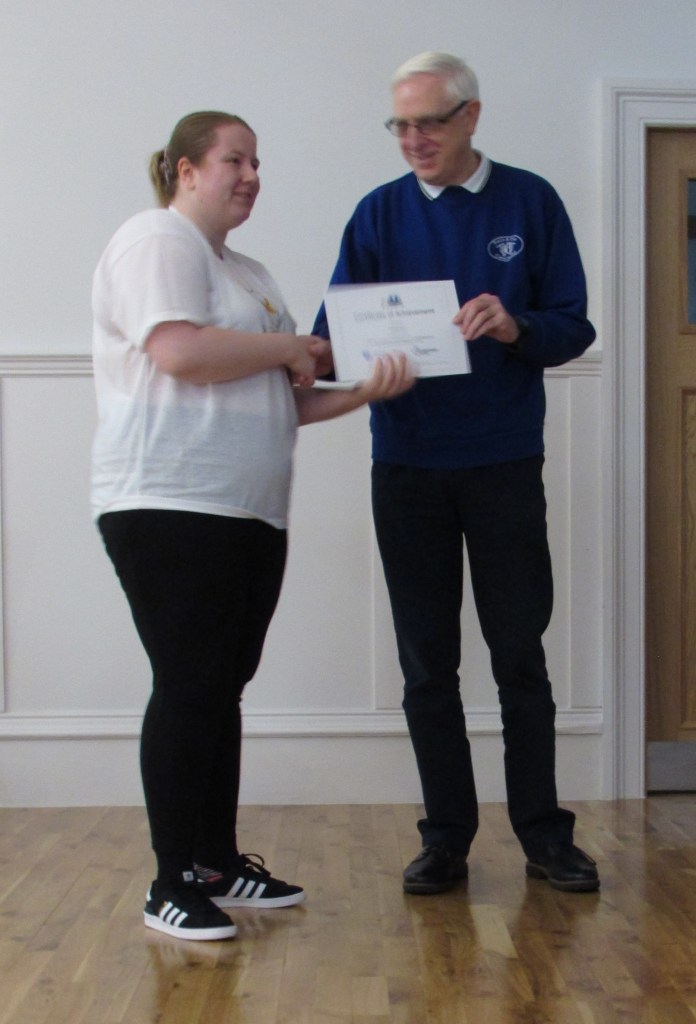
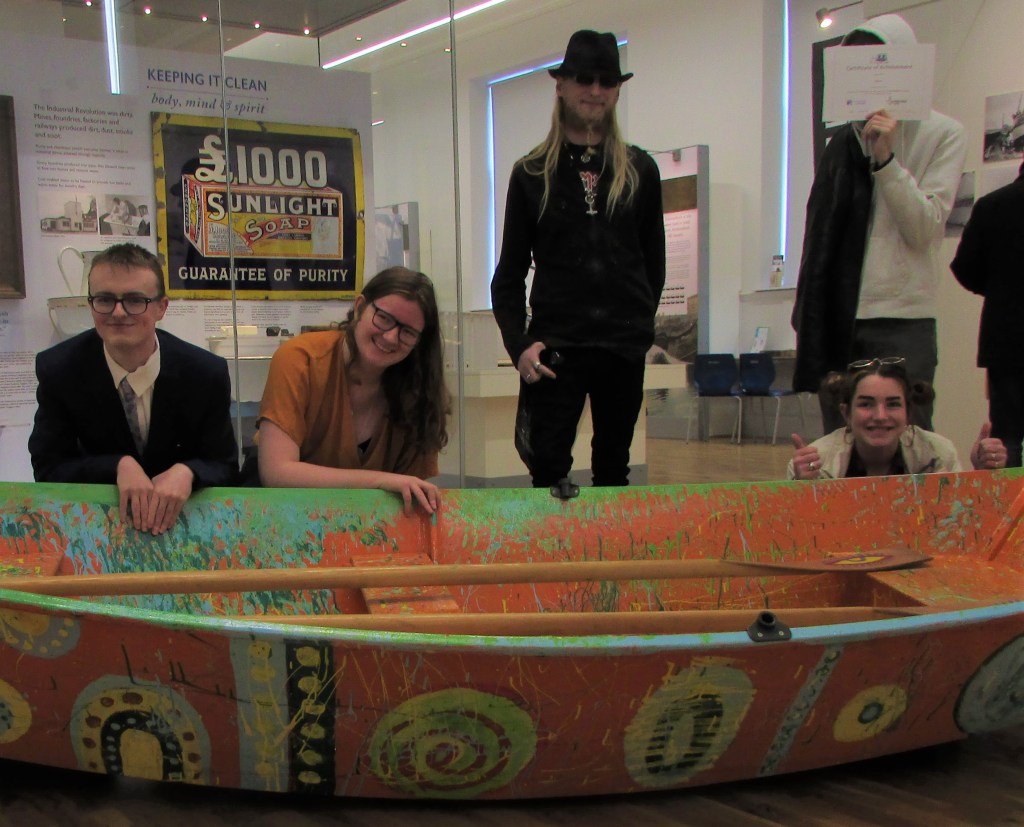

Photographs: Top row from left to right, the oral history part of CanalCraft took place during the beginning of the project and involved thirteen interviews with long standing members of the FCCS, some of them women. The boat building activity in Maryhill produced two boats and their oars, and the participants had the opportunity to engage with a workshop, specifically set up for the activity. Participants in the boat handling cruises had the opportunity to navigate one of the FCCS's boats down the canal. Civic Journalism was another part of CanalCraft, where participants learned how to set up video messages for their campaign. Participants in the project took their boats to Clydebuilt Festival 2019, and for some of them it was their first time on the river Clyde. CanalCraft celebrated the achievements and participation of the groups, and the Celebratory Event in Kirkintilloch was emotional, as participants had the opportunity to talk about CanalCraft and the impact it had on them. In the same Celebratory Event, there was a co-produced exhibition of the boat-building activity in the heritage center, where the participants had the opportunity to co-curate the outcomes of their workshop in a gallery for all the community to see. One of the boats that the Maryhill group built, named Love & Care, was donated to the Ripple project, a charity that provides lochside holidays and activities for children affected by cancer and their families. Credit: Author's own.
The activities in CanalCraft were: archive building; oral history; boat handling; boat building; civic journalism; celebratory events; exhibitions; and festival attendance. The project targeted local Forth and Clyde canal community groups that do not usually engage with heritage.
We focused on women and young people, as these groups are underrepresented in engineering (boat maintenance), heritage, and boating activities.
Oral History
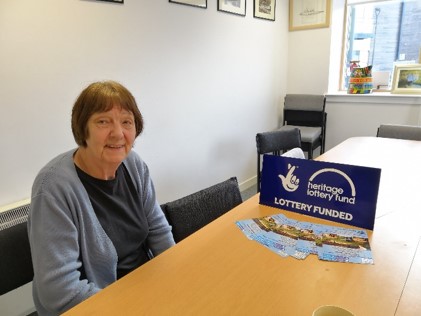
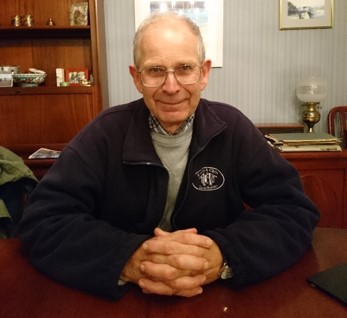
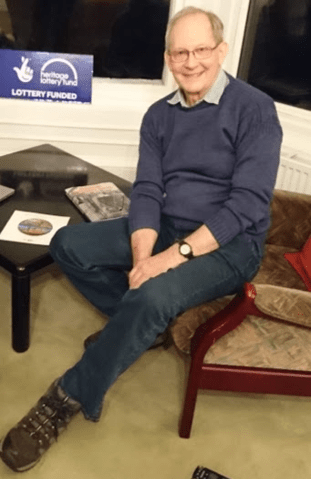
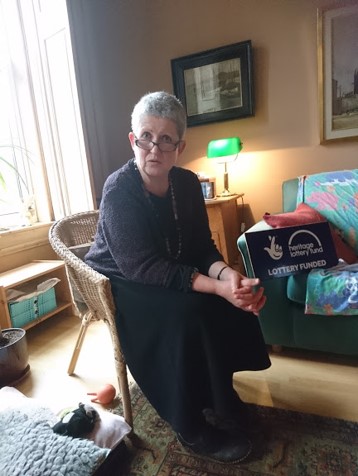
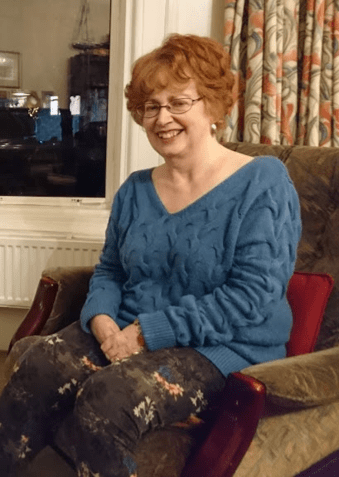
Photographs: Members of the FCCS who have been involved with the group and its campaign since the late 1970s spoke in a series of oral history interviews. The members also brought photographs, documents and other visual materials such as posters and clothing, which helped to create a clearer picture about the ongoing campaign of the group for throughout navigation of the FCC for over 40 years. Credit: Author's own.
In CanalCraft, through an oral history project we highlighted the role of women members of the Society during the campaigning years and their role in the running of the organisation.
The oral history interviews also drew a picture of campaigning before the time of the internet and social media platforms. This inspired participants, through civic journalism training, to create their own powerful messages about their life near the canal (more information about the Civic Journalism activity below).
Archive Building
The CanalCraft team digitized new and old materials that were in the Society’s possession into a main archive. We digitized the FCCS’s main campaigning tool, the Canal News journal, and we upgraded the Society’s website to accommodate the results. We made sure that the new archive was accessible digitally by researchers and others interested in the canal history.

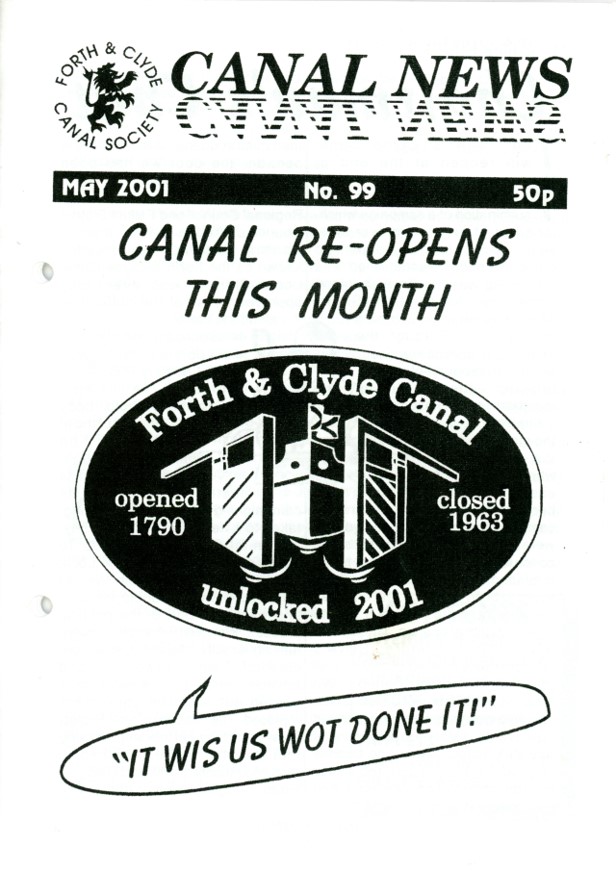
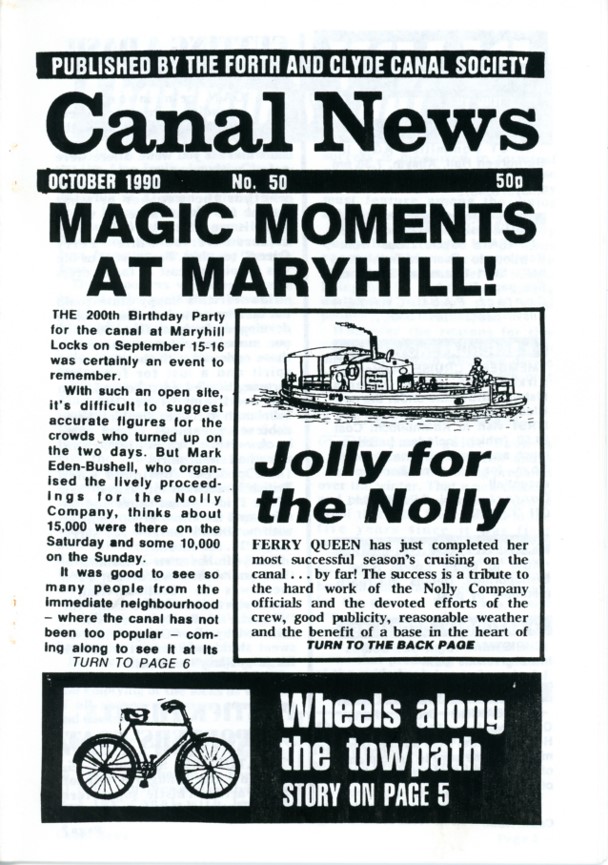
Creating an archive for the Society was part of CanalCraft, and for that the team scanned and archived all the Canal News issues from
No 1 to date.  The digitization meant that the archive was easily accessible by researchers, educational institutions and the public.  It also meant that members and others could read it on line from everywhere. Credit: FCCS
Boat-building
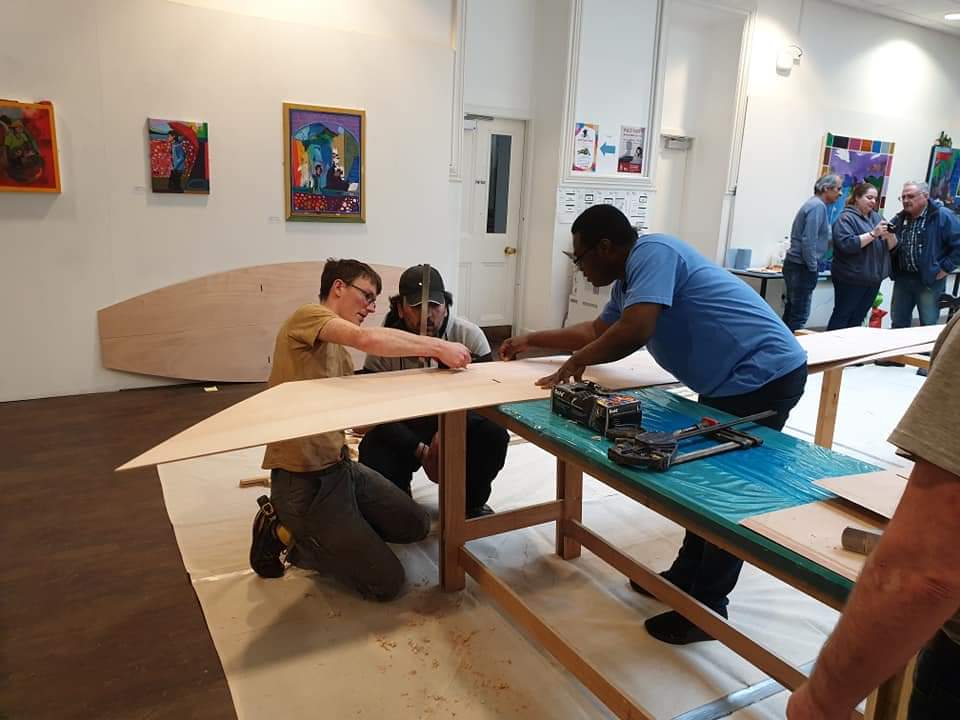
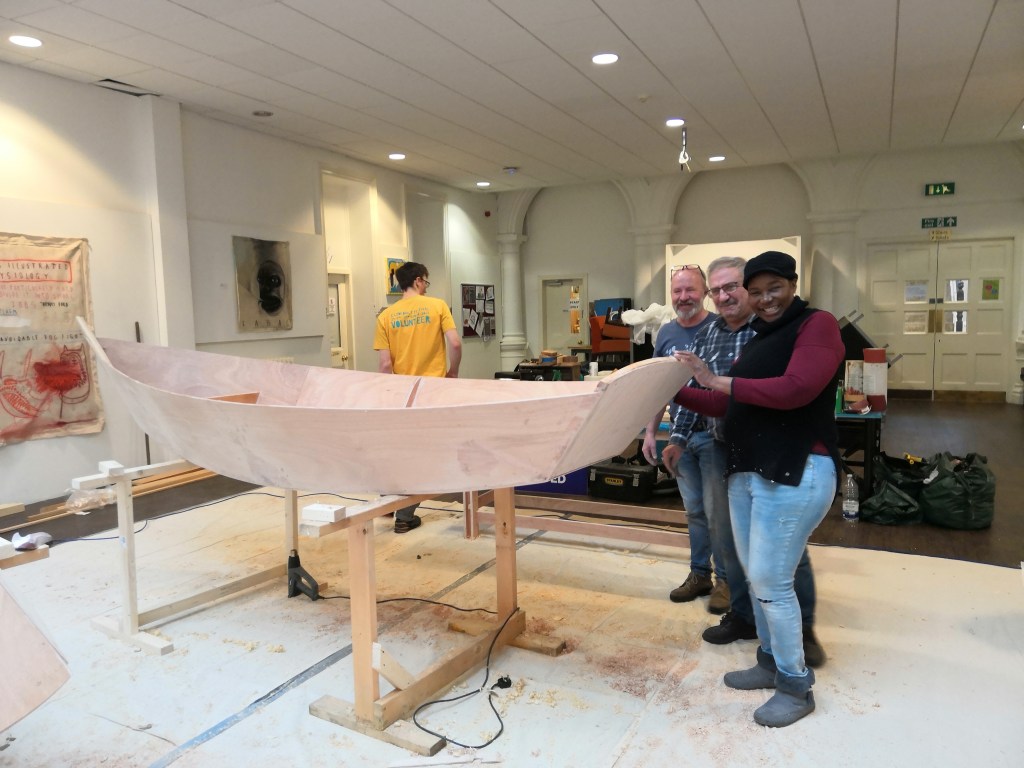
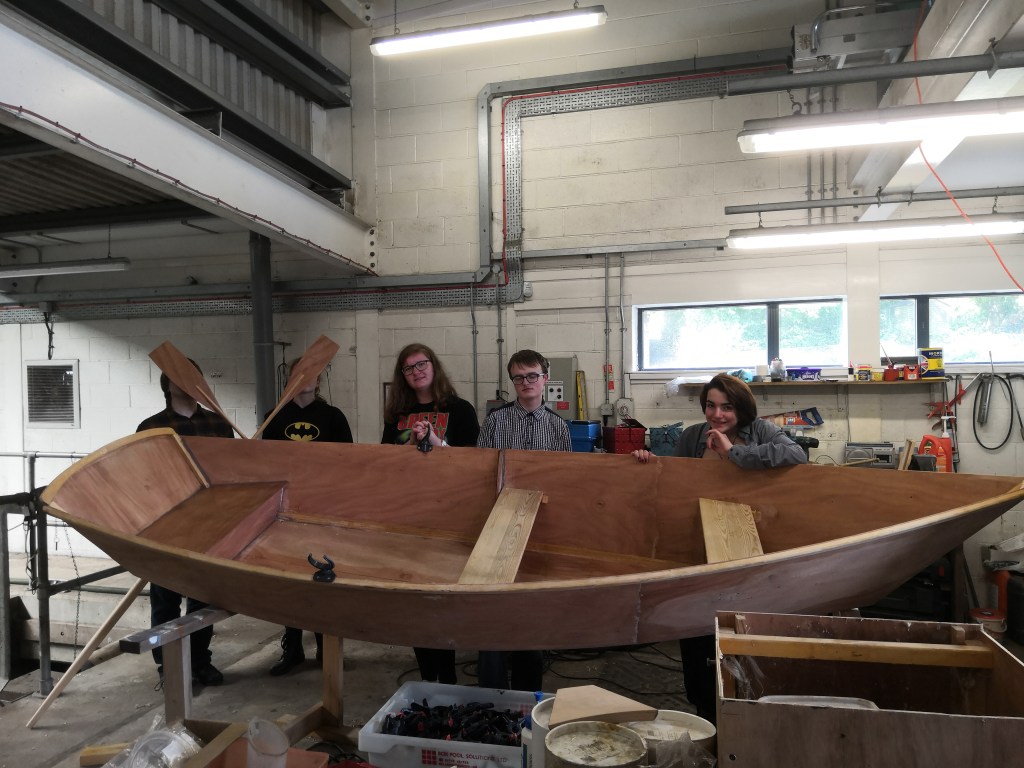
Photographs: From left to right: Participants in the Maryhill workshop. Maryhill workshop's boat is taking shape. The Kirkintilloch workshop's boat is ready to float. Credits: CanalCraft participant; Author's own.
During CanalCraft, the participants built three boats, two in Maryhill with participants from the local Integration Network and one in Kirkintilloch with young people between 17-25, from local groups (more about the boat building activity in the Boat-building section).
Boat-handling
The boat handling sessions were a lot of fun. The women groups who took part sailed for two hours, having a try at the tiller and learning how a boat moves in the canal (more about this activity in the Boat-handling section).
We invited Canal College, a programme that trains young people in canal maintenance skills for employability, to come and spend a day with the canal FCCS’s boats and learn about the different elements of boat maintenance.
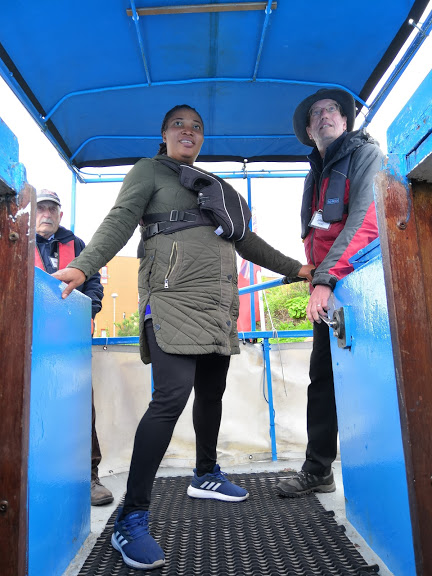
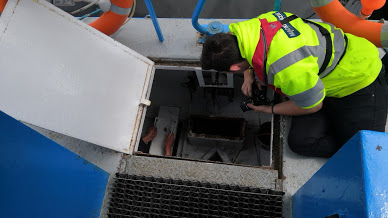
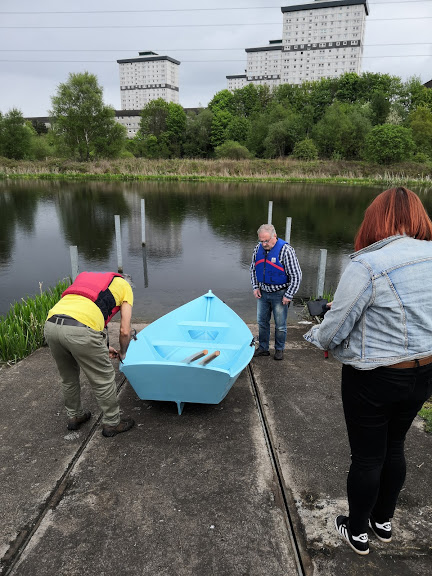
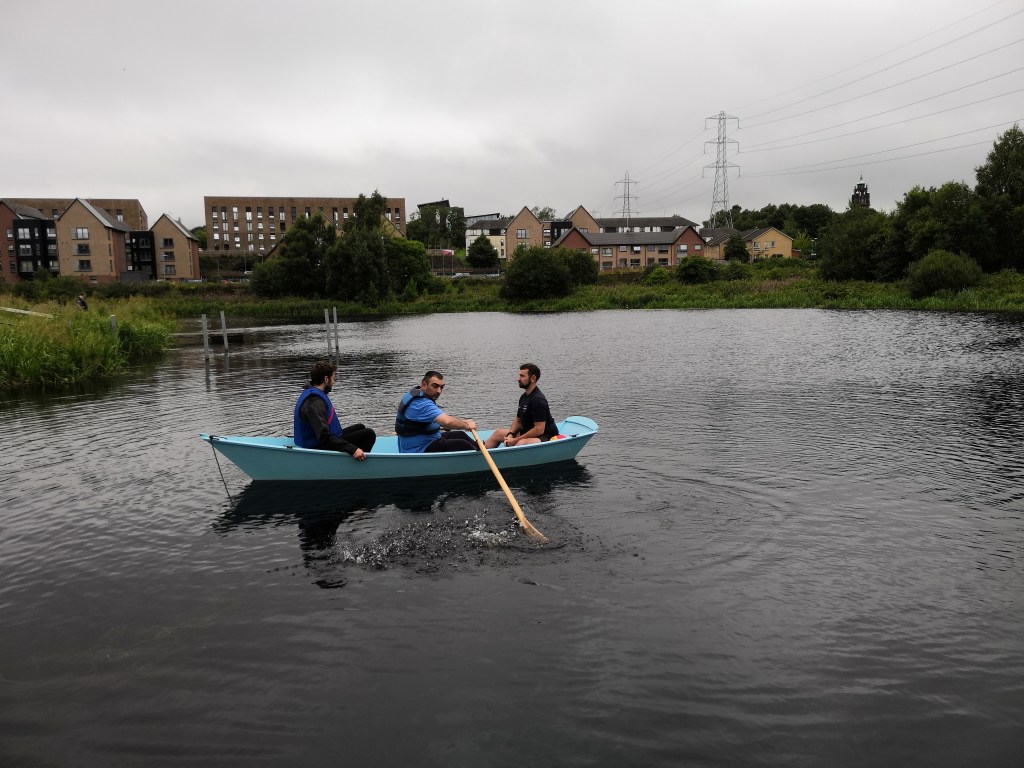
Photographs: Left to right: During the cruise in Maryhill participants had a go at the tiller and learned to navigate the canal. Canal College visited the FCCS's boats at the mooring point in Kirkintilloch and heard FCCS members talk about boat maintenance. After they built their boats, participants took them at the canal to learn how to row them with professional help. Credit: Author's own.
Civic Journalism
During CanalCraft, workshops on civic journalism were run with the women’s groups from the Maryhill Integration Network (MIN), the Women’s Centre and the G.R.A.C.E group, an after care group based in Kirkintilloch.
Participants, inspired by the Society’s campaigning history before the internet, learned about activism through social media and how to create powerful video stories under one minute long, against the clock.
They had training from a professional journalist in interviewing, filming for journalism and in creating short messages with an impact. They used these tools to create messages about the canal.
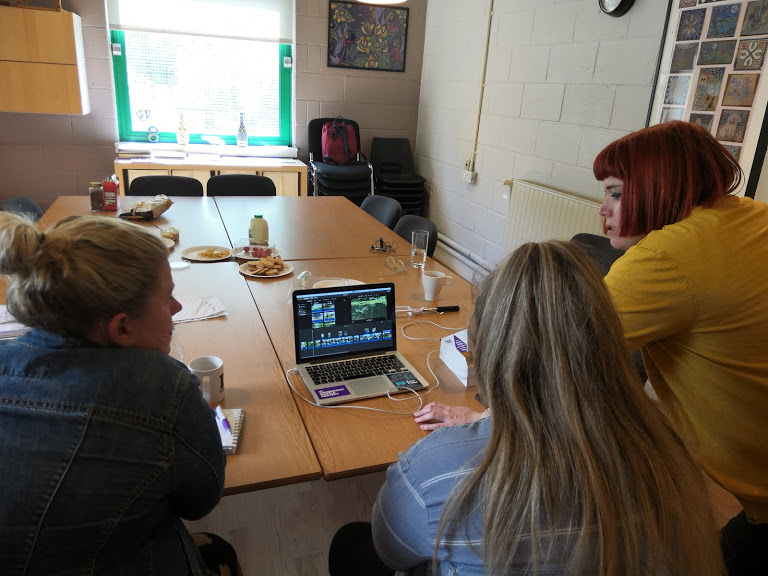
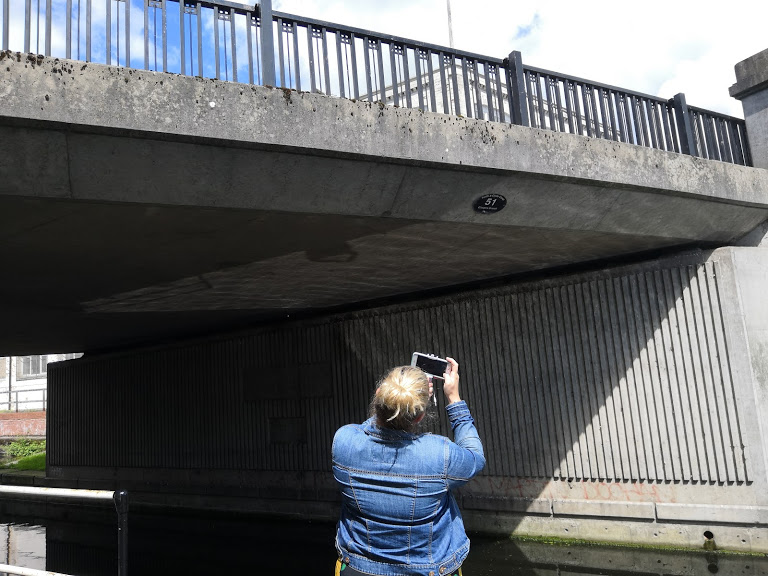
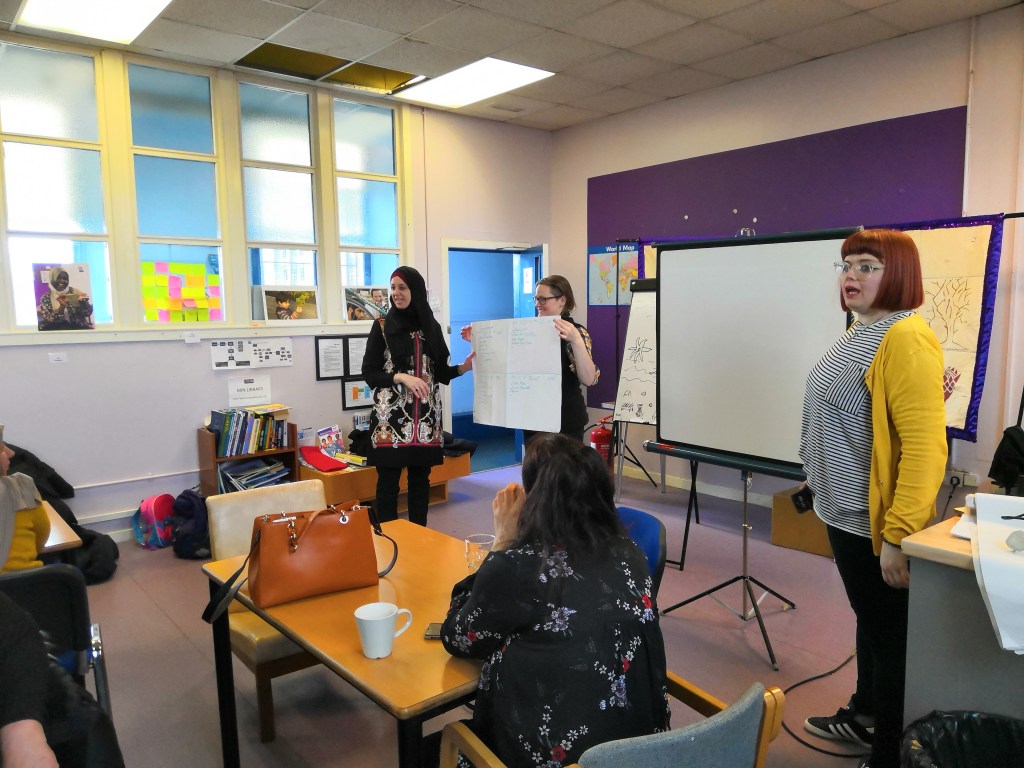
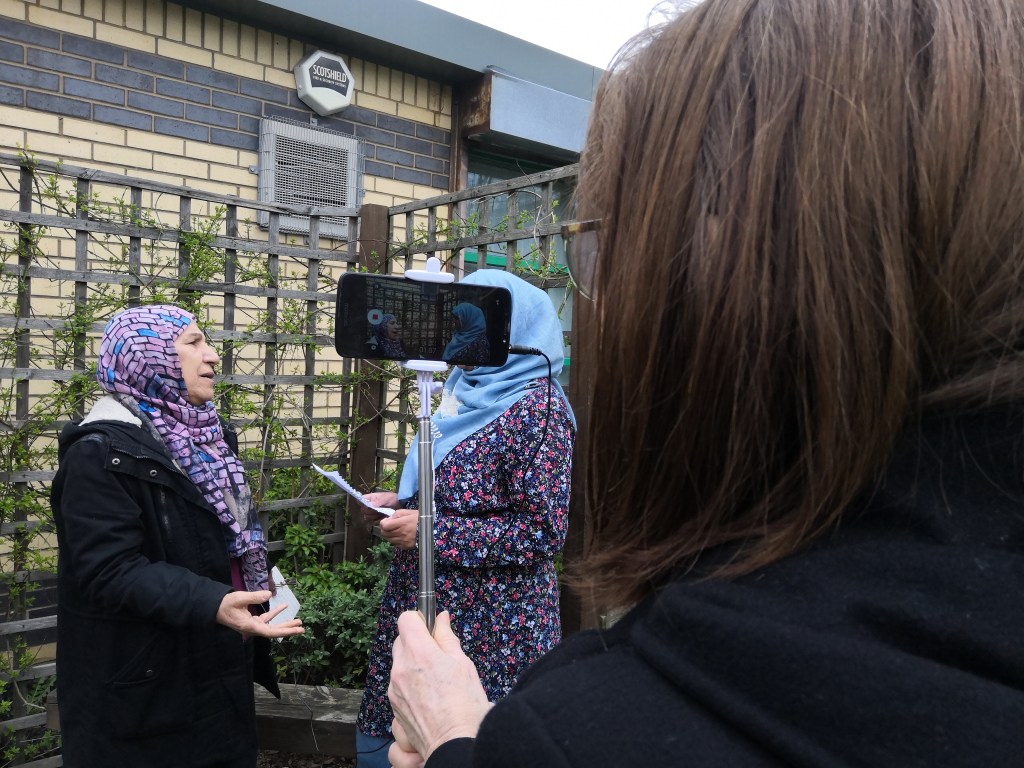
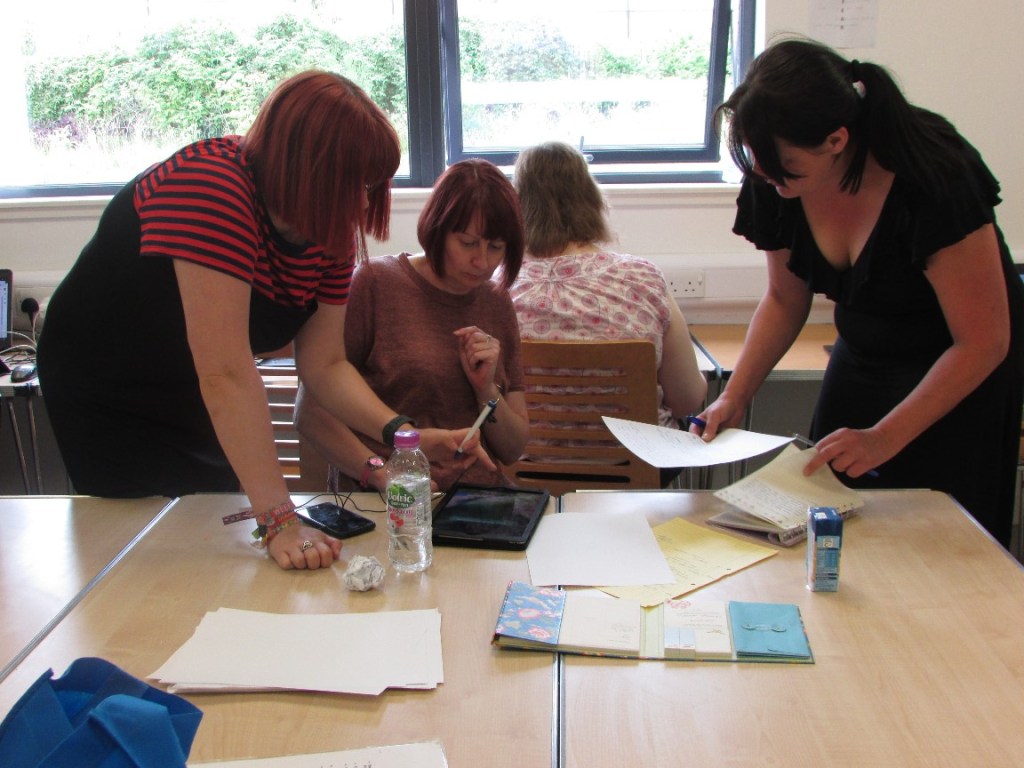
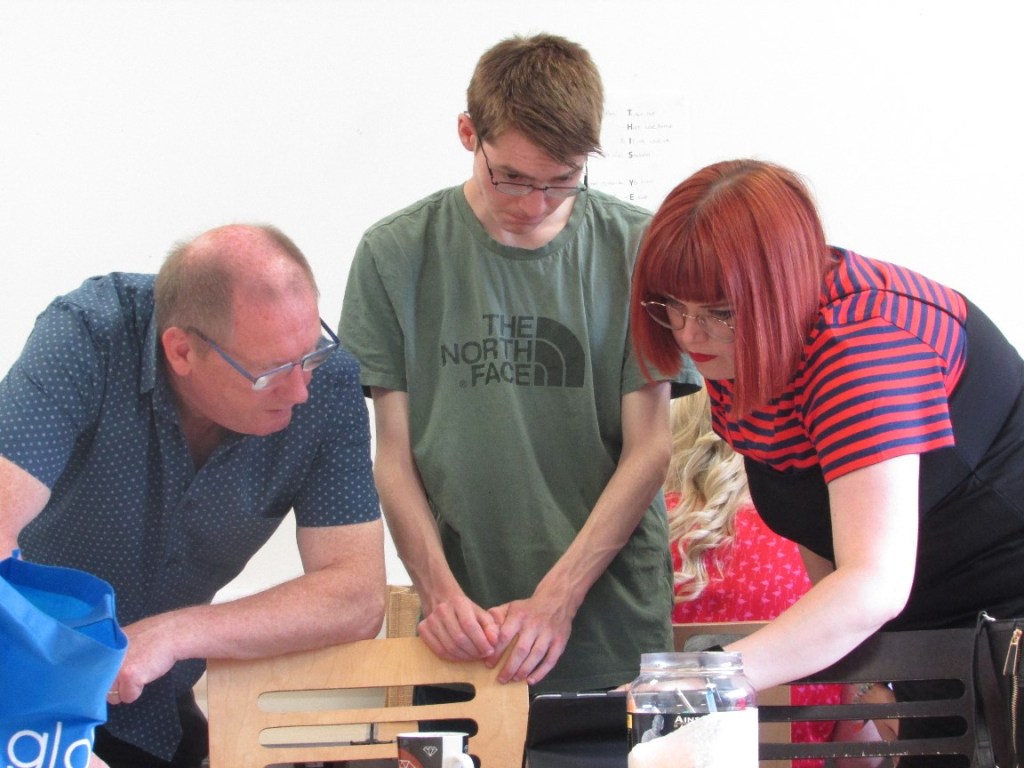
Photographs: Left to right: The Civic Journalism activity trained the participants to create digital, powerful stories. Participants learned to identify potential footage for their digital stories. The Civic Journalism workshops built on self confidence in being in-front of a camera and delivering a message. The workshops trained participants in new ways to use their mobile phones for storytelling. Participants worked together in groups to write the stories and then create them by using technology. Credit: Author's own.
Lunch
Lunch was a big part of the activities where people exchanged ideas and memories.
During breaks and lunch there were discussions about the activities, the local area, the canal and participant also shared elements of their personal lives.
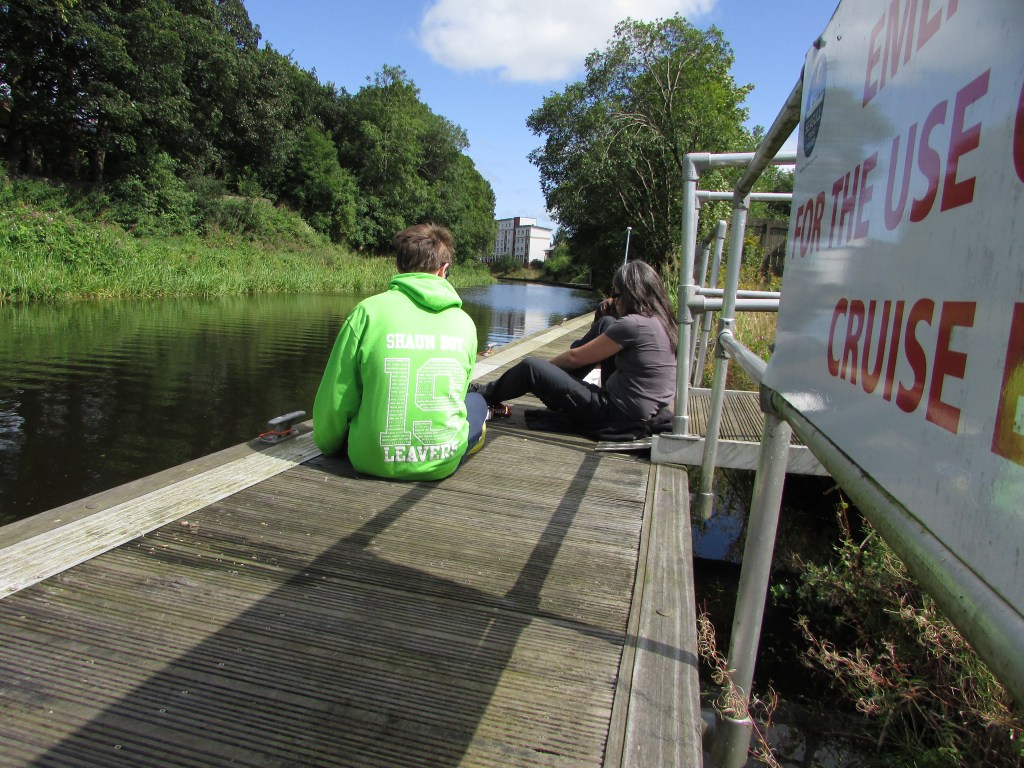
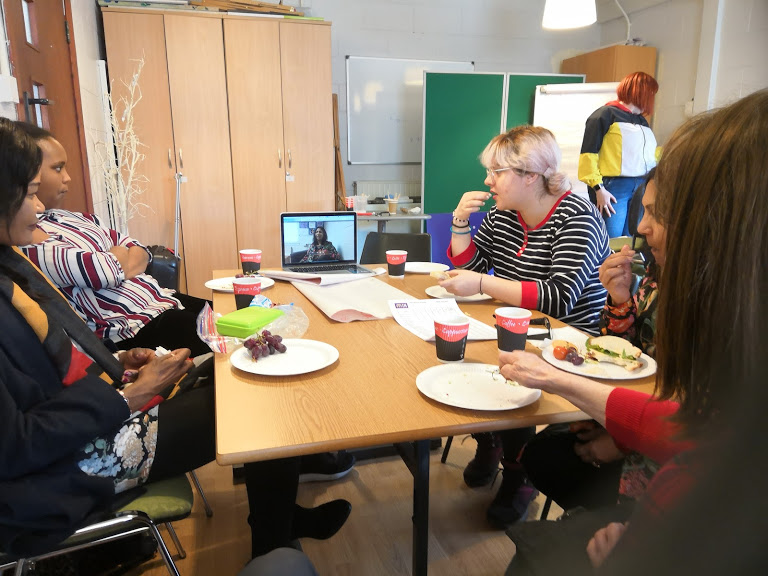
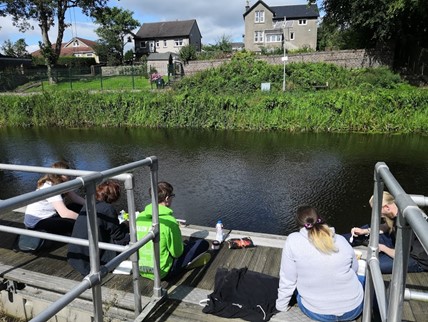
Photographs: These images are from the Kirkintilloch and Maryhill lunch breaks during the activities. Regeneration work in Kirkintilloch has provided pontoons so boats could moor more easily, and these pontoons became a social space near the water for the participants. In Maryhill, taking lunch together and sharing the same food brought out new friendships. Credits: CanalCraft Participant; Author's own.
Celebratory Events
The project was also celebrated in two celebratory events that took place in buildings that were connected to Maryhill’s and Kirkintilloch’s local heritage.
East Dunbartonshire council offered a space in Kirkintilloch for the young people to co-curate a show on CanalCraft with the council’s curators (more about in the Celebratory Events section). The Maryhill event was hosted in the Engine Works, a regenerated factory building next to the canal.


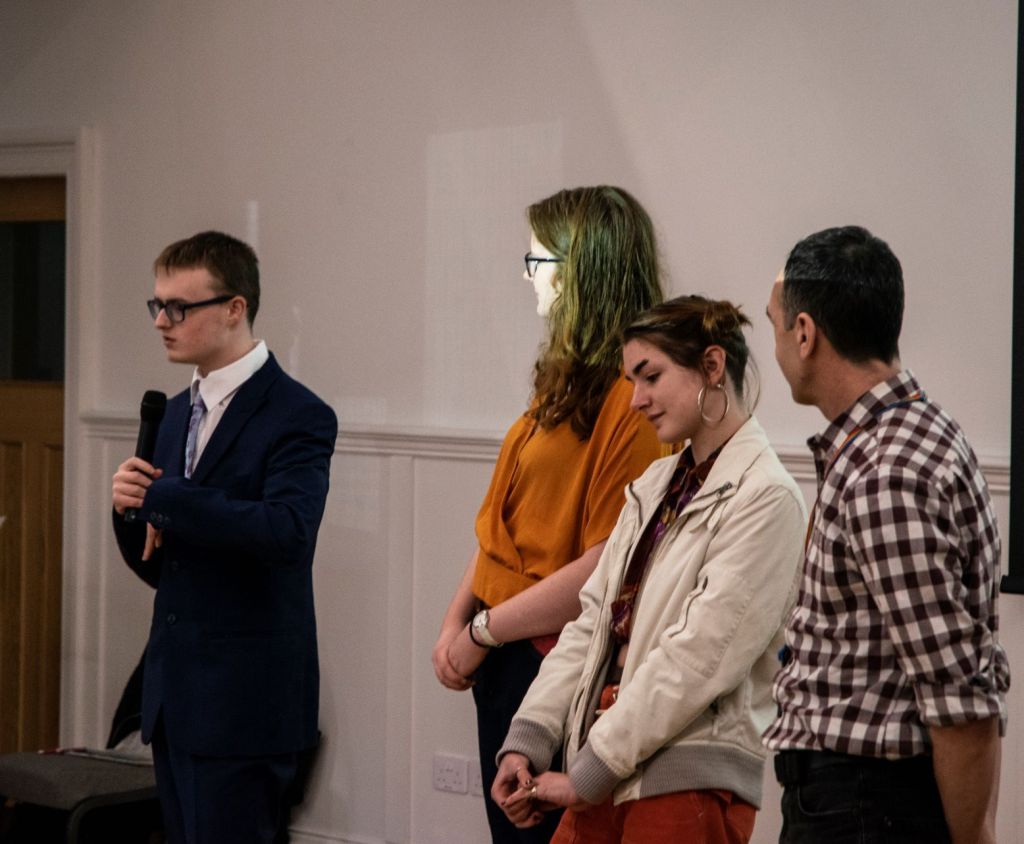
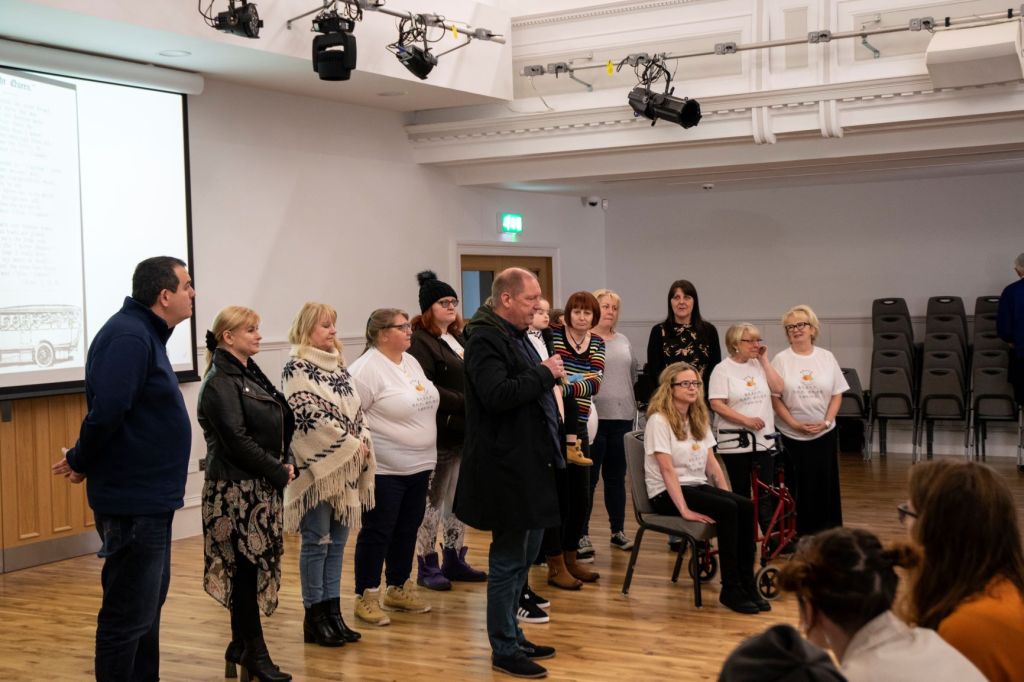
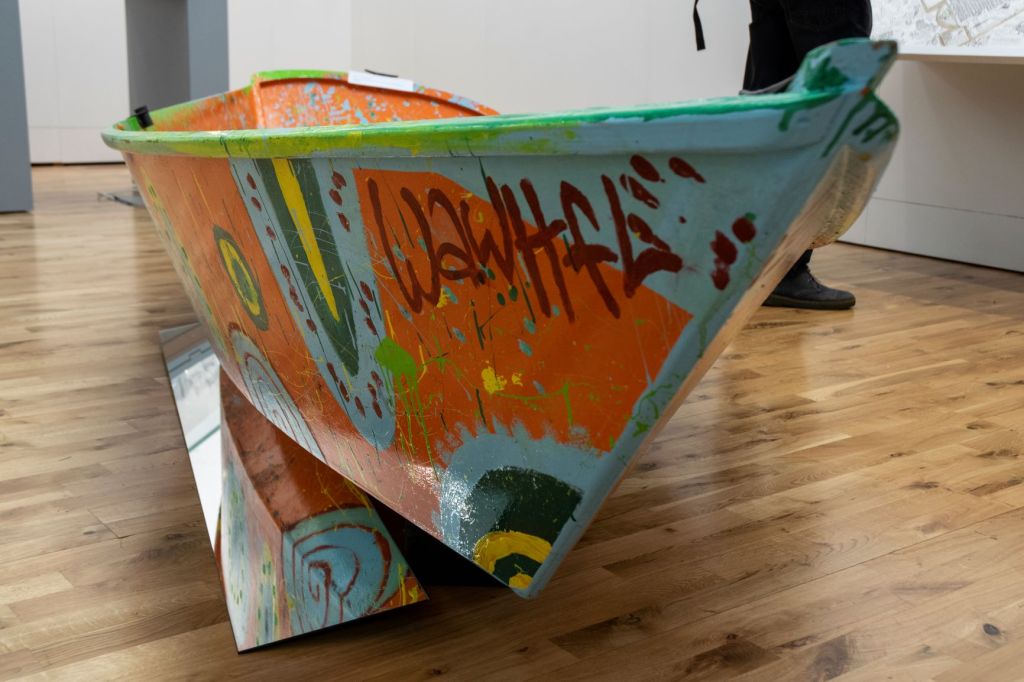
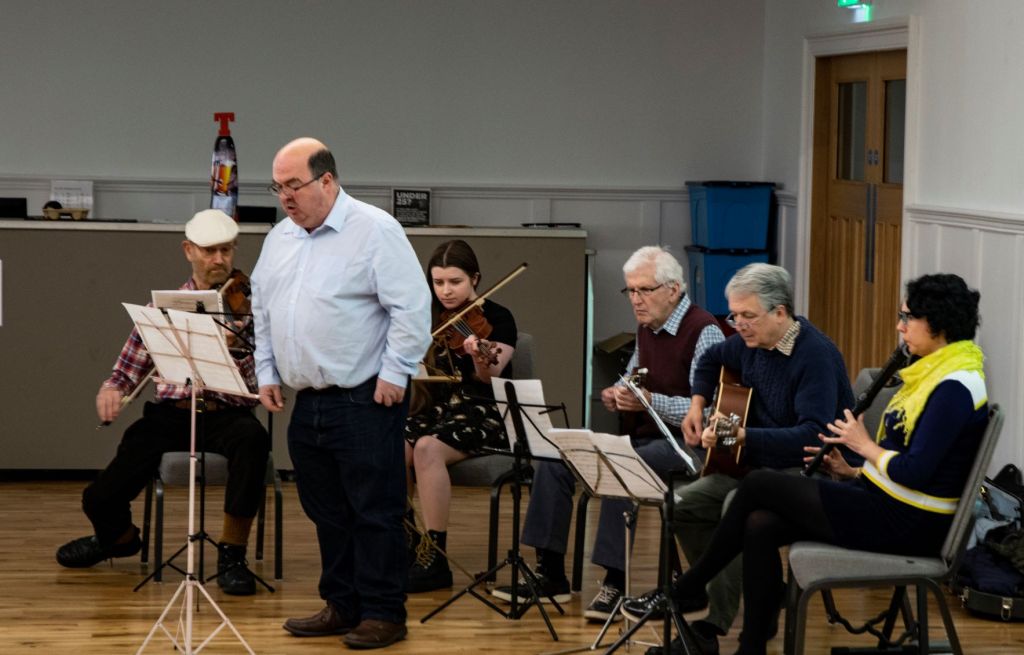
Photographs: From left top to right: these are all images from the two Celebratory Events in Maryhill and Kirkintilloch, and the co-produced exhibition. Credits: Author's own.
Festivals
We took the finished boats to three festivals: the Glasgow Canal Festival, Kirkintilloch Canal Festival and Clydebuilt festival.
During these events, participants exhibited their boats in and out of the water and told visitors the benefits of learning traditional skills and getting familiar with the waterways.
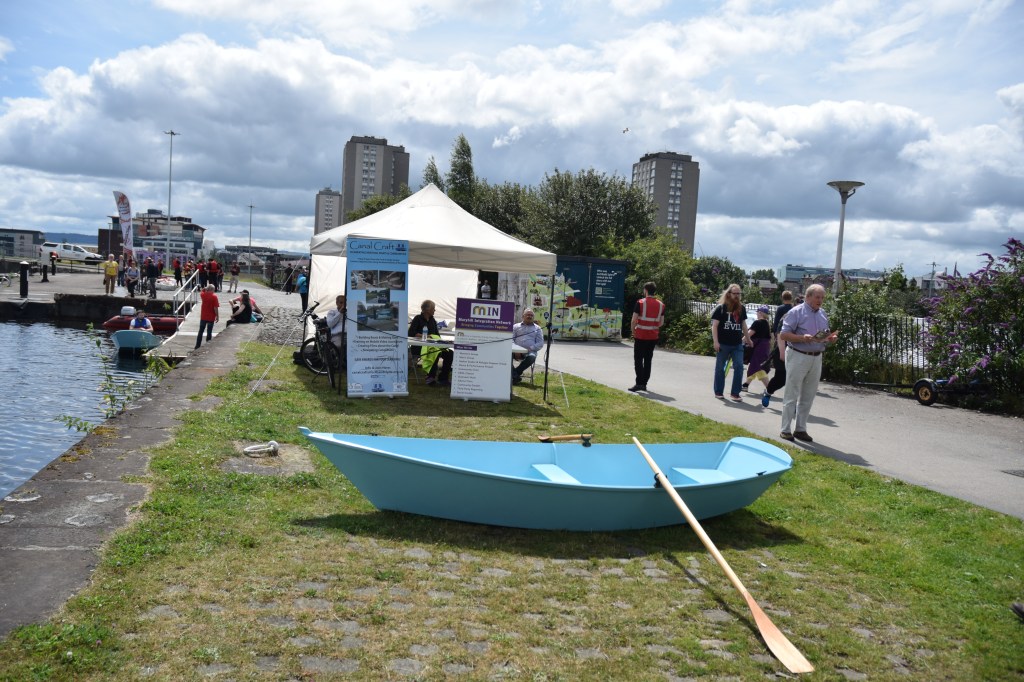
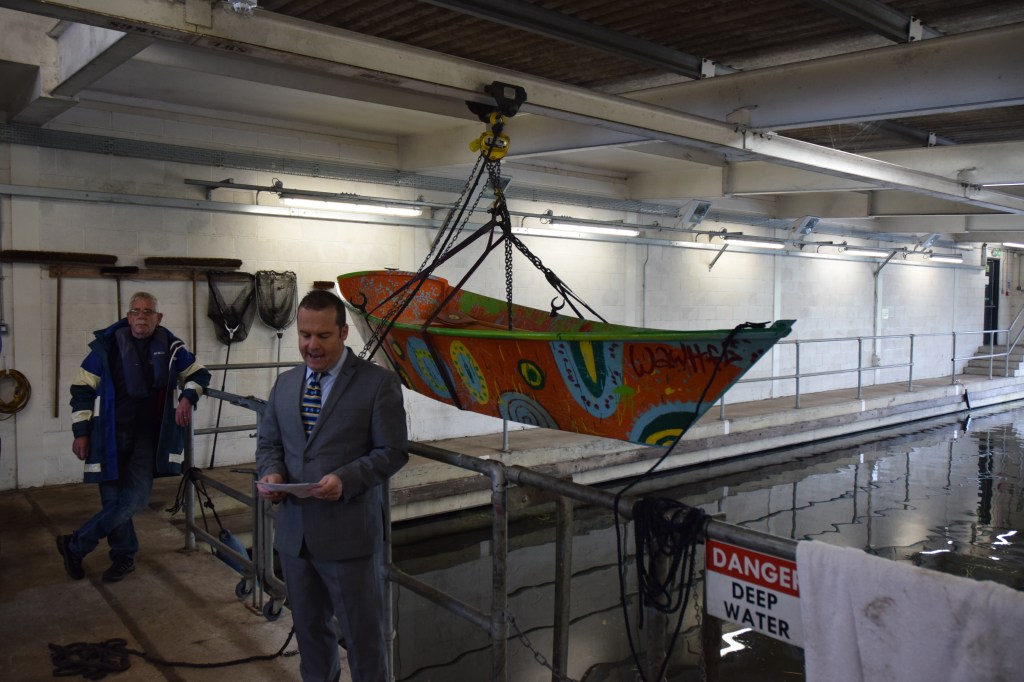
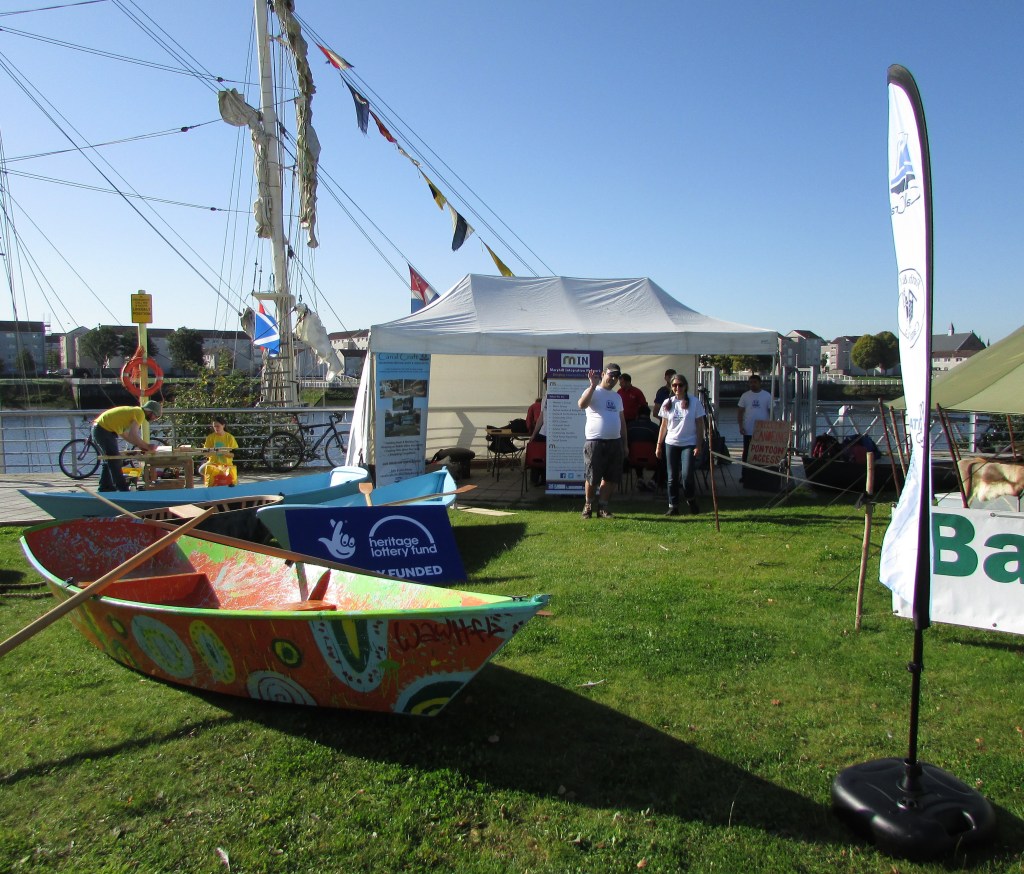
Photographs: From left to right: Glasgow Canal Festival, Kirkintilloch Canal Festival, and Clydebuilt Festival. Credits: CanalCraft Participant; Author's own.
 Livescape