
Some people say that heritage is what makes history look better. This research assumes that heritage is something that is made continuously rather than something definite, that it is part of the locality, and it is part of everyday life and not separate from it.
Although it is usually described as either ‘natural’ or ‘cultural’, or as something we can see and touch (like buildings or canals) or things we can only experience (like singing and crafting), heritage shares the same characteristics with locality, where the landscape comes to life by occupying it and filling it with actions.

Photograph: Post-industrial heritage on the river Clyde.
Credit: Author's own
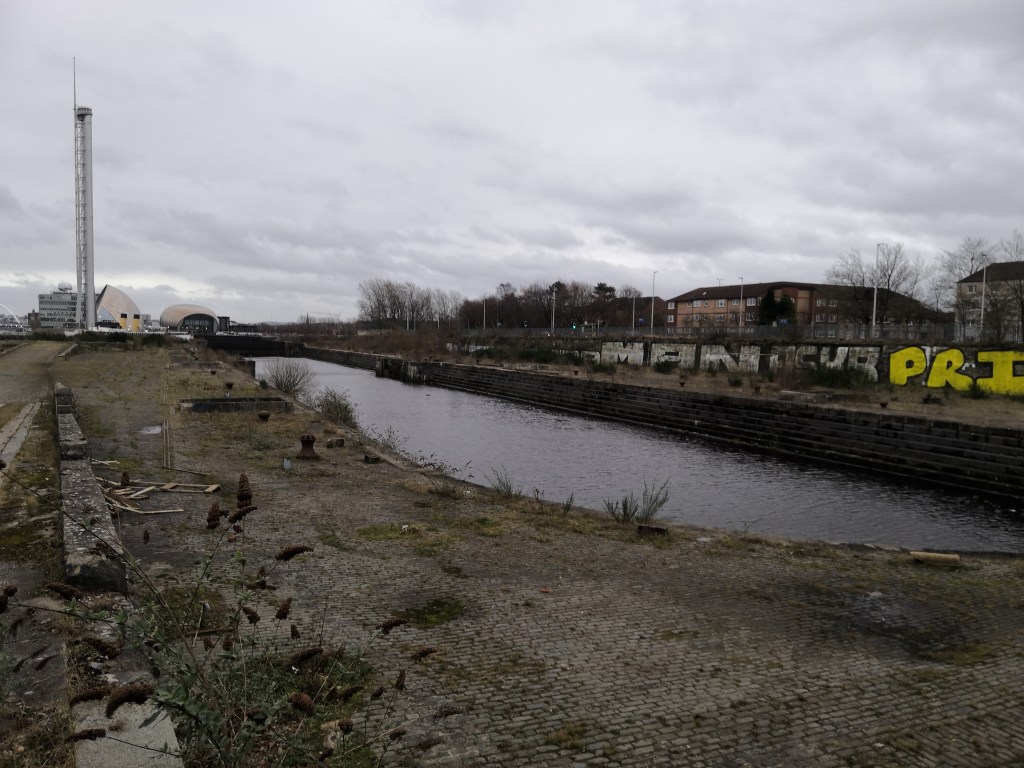
Photograph: Post-industrial heritage on the river Clyde, Graving Docks. Credit: Author's own.
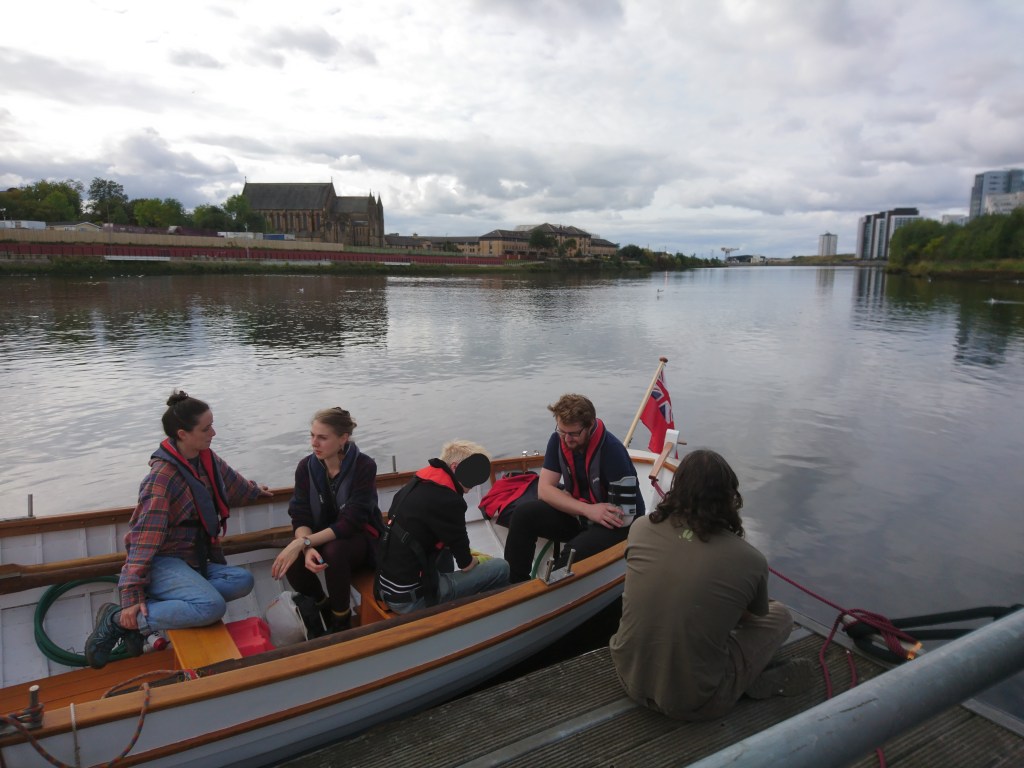
Photograph: The Captain's Gig on the Clyde. Boat-builders in the Anchor and Sail community project and their supporters launched the new boat in the river. Even when people do not have memory of the shipbuilding past, they still feel proud when they take their boats in the river. Credit: Author's own.

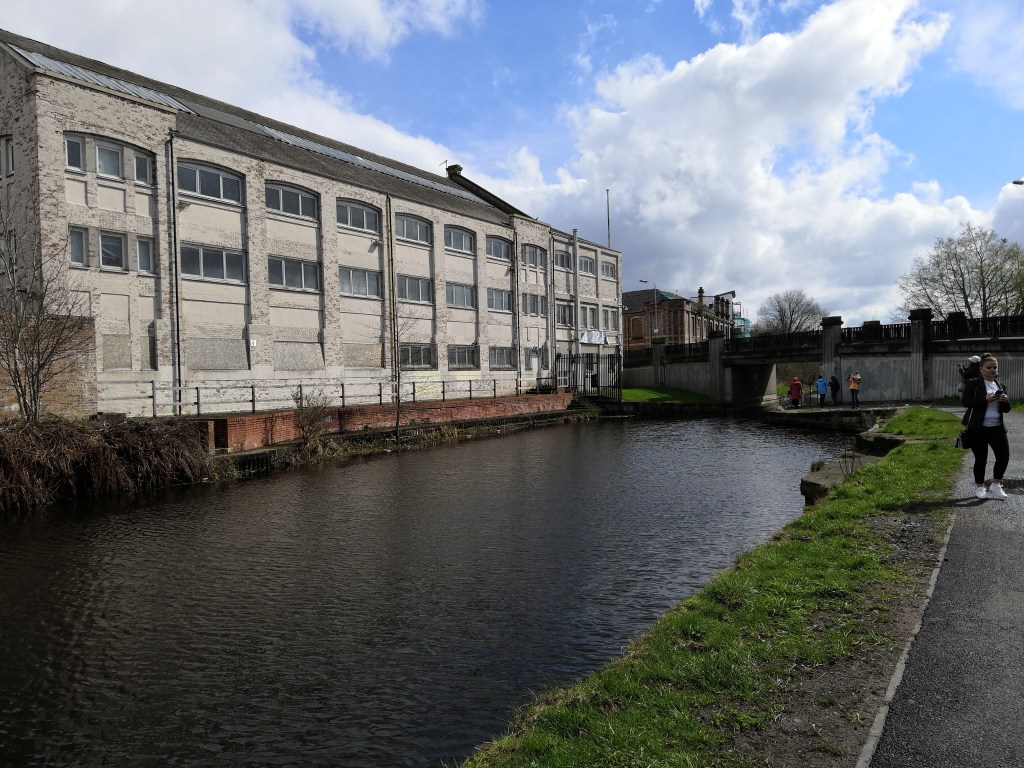
photographs: Post-industrial heritage on the FCC. A disused lock after the canal was shut down. A factory in Maryhill. Credit: Author's own.
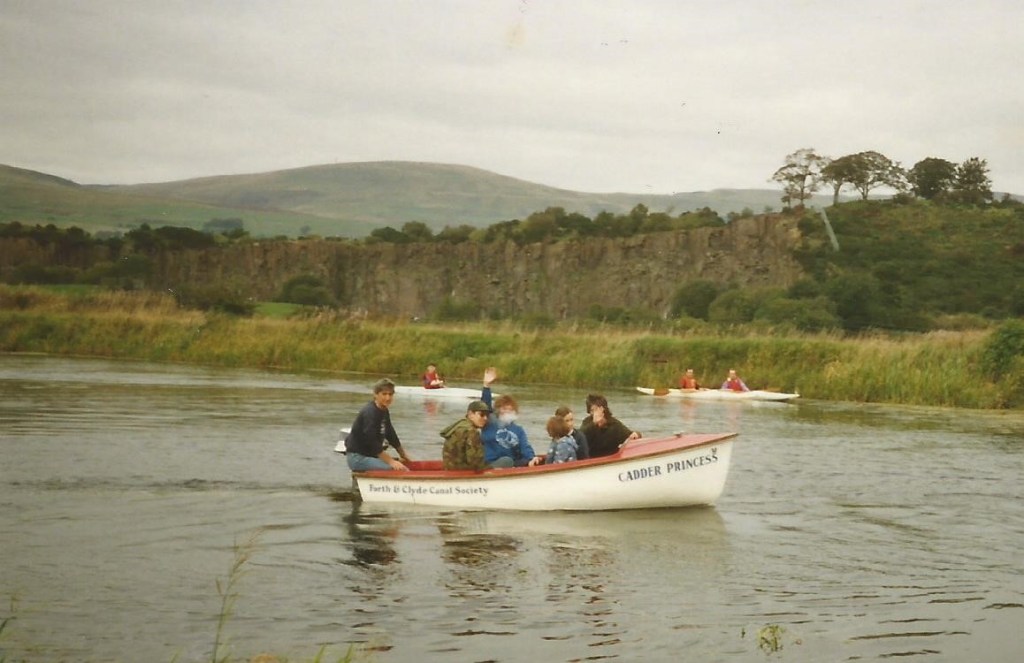
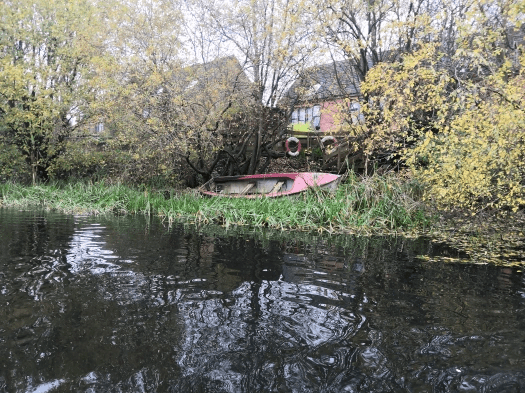
Photograph: The little boat is the Cadder Princess. Now abandoned along the canal in Maryhill, it is historically connected with events during the campaign for the re-opening of the canal. Small vessels like this had an important role, engaging communities with the water and by bringing the waterway to life, they contributed to the rescue of the monument. credit: FCCS archive; Author's own.
Plants and other vegetation in the heritage locality, are considered as natural but their presence has been influenced by the built environment, which is cultural. Boaters face the problem that by trying to preserve the historic waterway and so to participate in heritage activity by navigating the boats on water, they threaten the preservation of protected plants (vegetation needs to be cleared for the boats to use the waterway). These negotiations make heritage a process rather than something static.
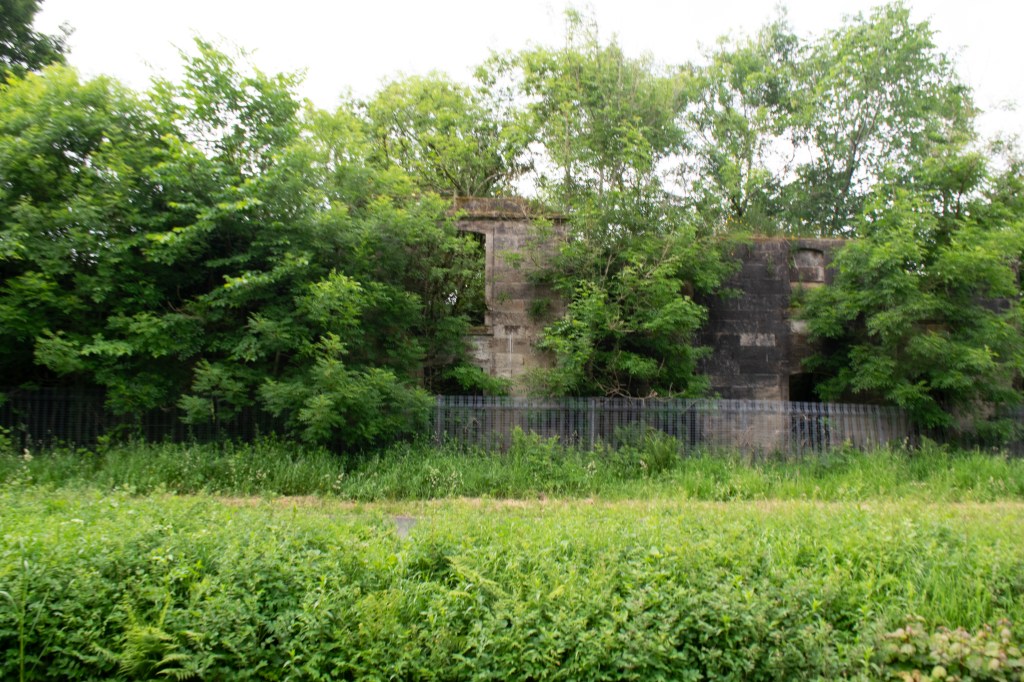
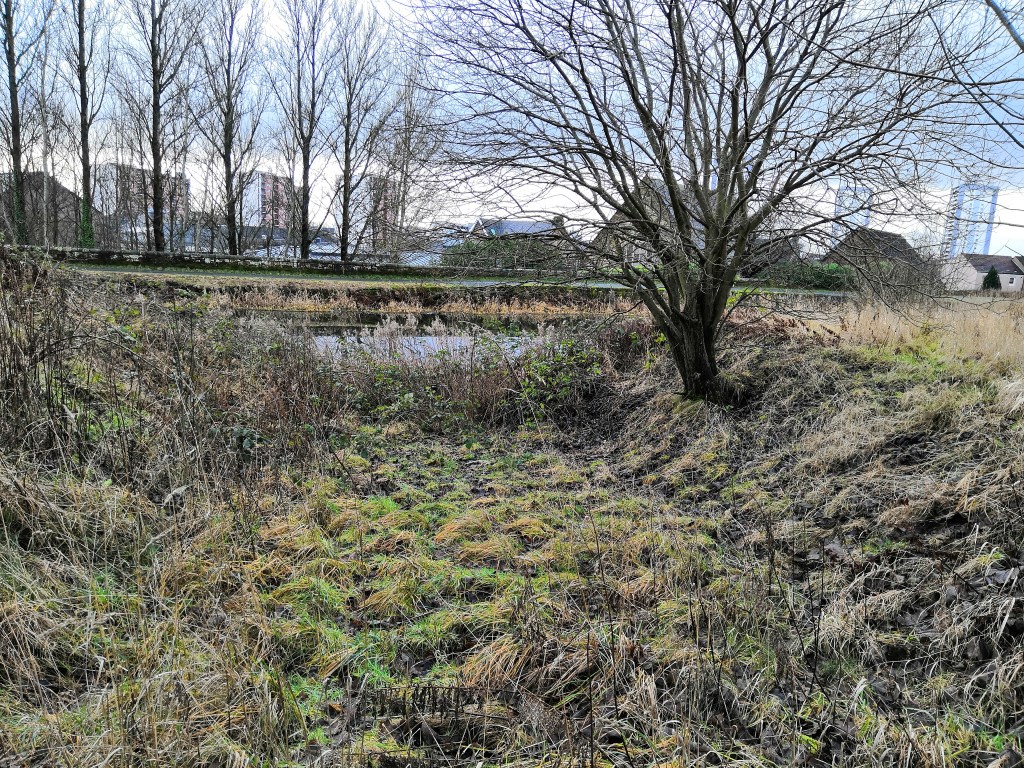
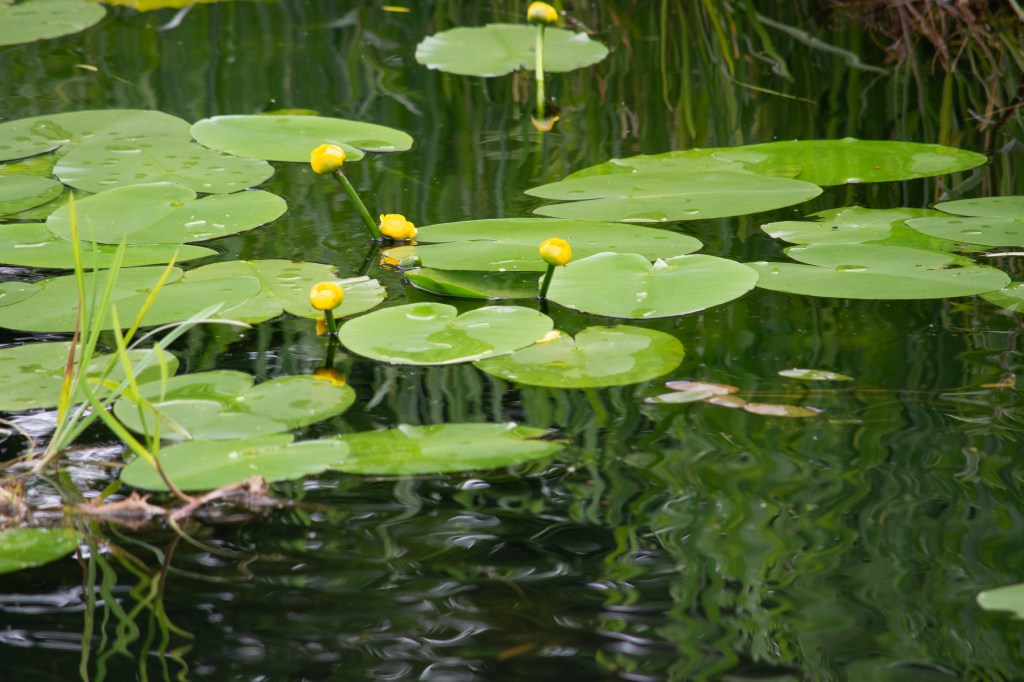
Photographs: A stable by the canal towpath. A disused slipway in Maryhill. Lillie plants and other plants cover the surface of the canal. Vegetation is part of the canal and the river fabric, and it affects navigation of boats. There are plants that are protected , so boaters are not allowed to clear them from the surface. Credit: Author's own.
Not all heritage is connected to historic events or places, because to practice heritage is not always about remembering. So, people who have no memory of the FC canal’s boatyards, are still proud of the canal that runs through their city, because it has a special meaning to them. The Southbank marina in Kirkintilloch is occupied by boaters and the boathouse is used by groups servicing their boats. One of the three boats that were built in this case study was built in this boathouse, over 60 years after the last boat was repaired at the exact same place during the industrial years.
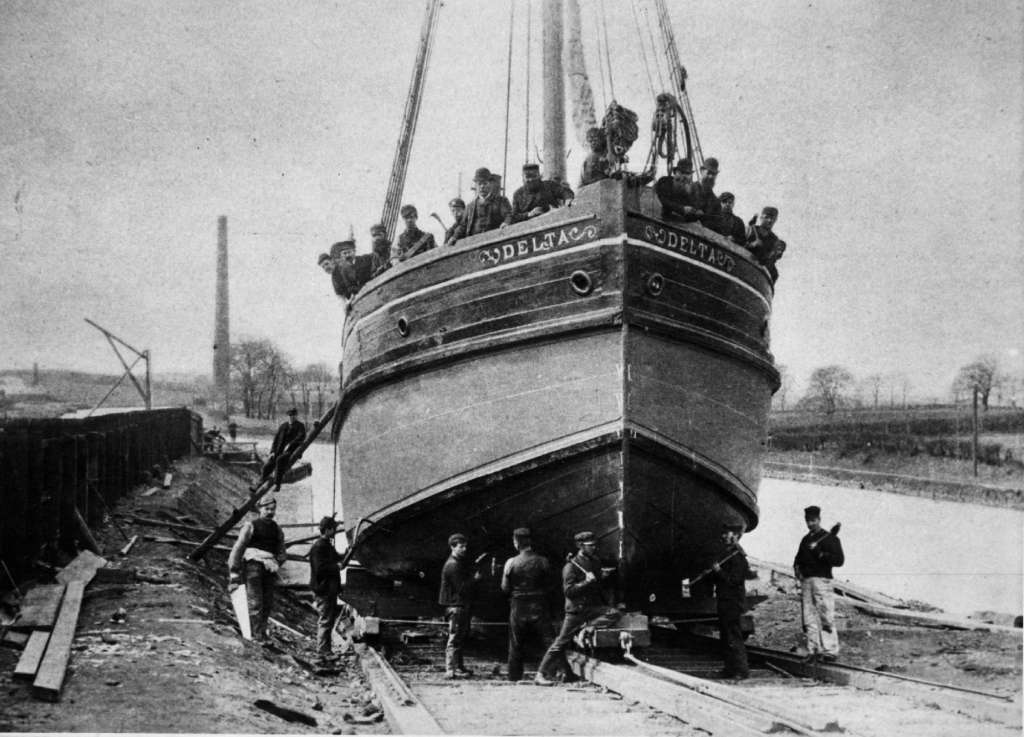
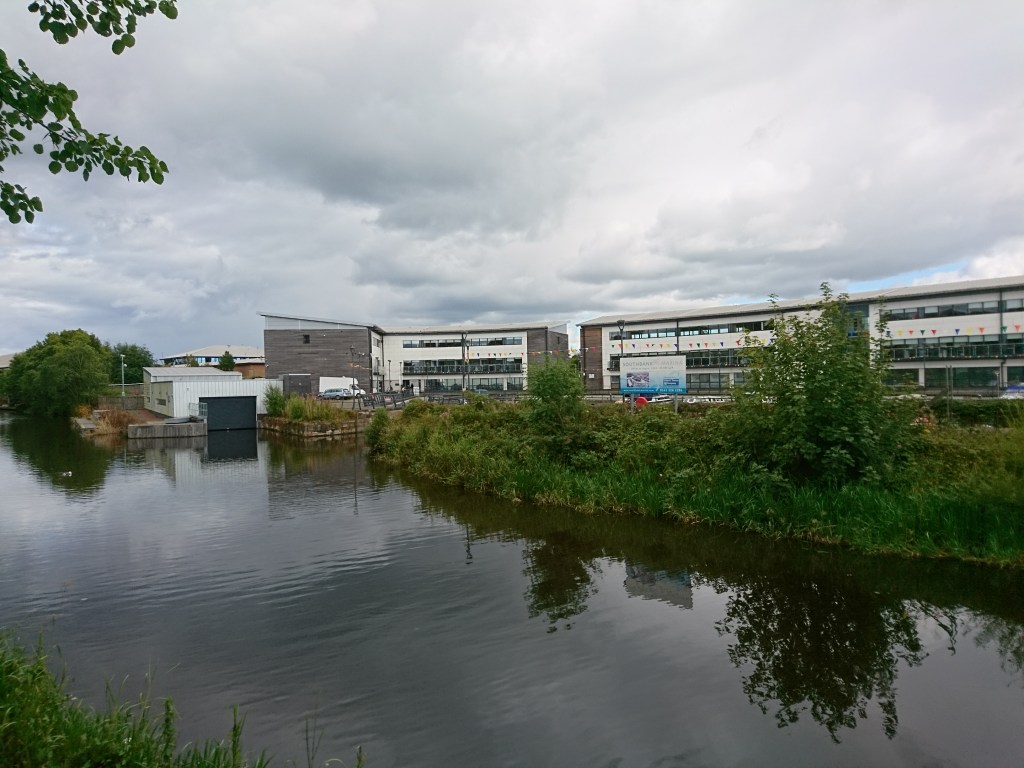
Photograph: The Hay's Repair Boatyard, Forth and Clyde canal, Kirkintilloch. The boatyard repaired puffers and lighters, during the industrial period of the canal. Last boat repaired there was 60 years ago. Today, the site is part of the Southbank marina, a place-making project for the area, and the site where the Seagull Trust's boathouse stands, where one of the case study's boats was built by young adults. On the opposite bank there is a high school and housing adjacent to the canal. A new boathouse is now on that location, with a pontoon for boats to moor. Credit EDLC Archives; Author's own.
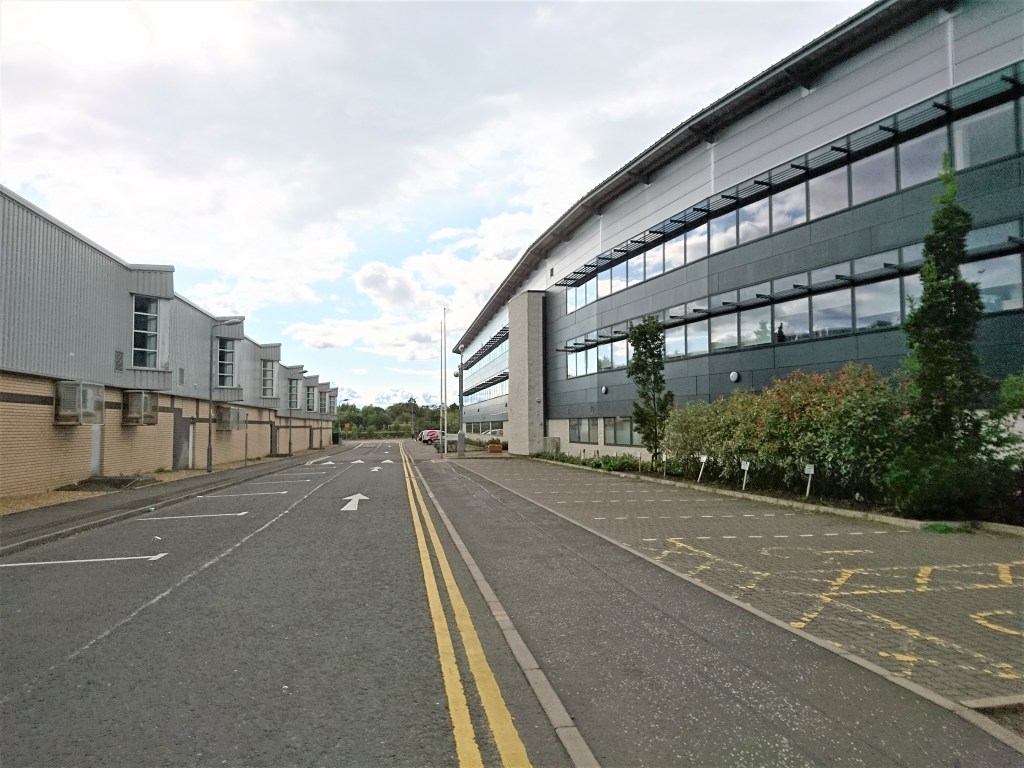
Photograph: This is the localtion of the McGregor's Boatyard in Kirkintilloch Canal Basin, now Southbank marina. The site was developed in the early 2000s and it has altered the environment of the canal basin substantially. Credit: Author's own.
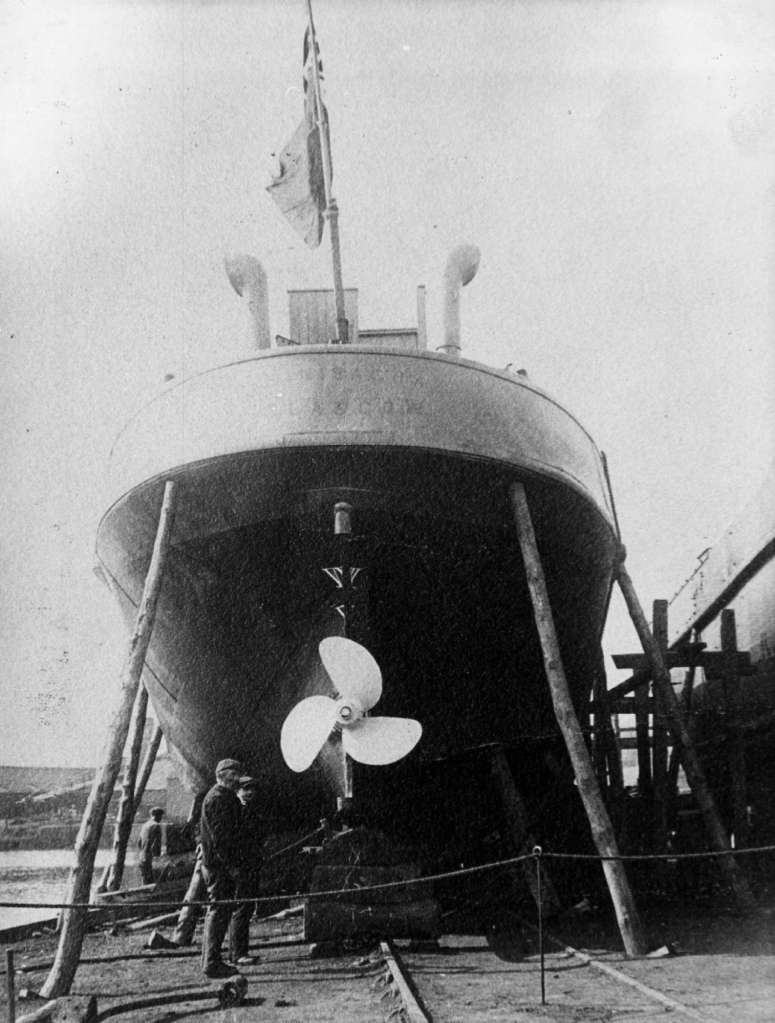
Photograph: : The McGregor's Boatyard, Kirkintilloch Canal Basin (Southbank marina). The boatyard established Kirkintilloch as one of the centres of boatbuilding on the Forth and Clyde canal and in Glasgow. Credit EDLC Archives
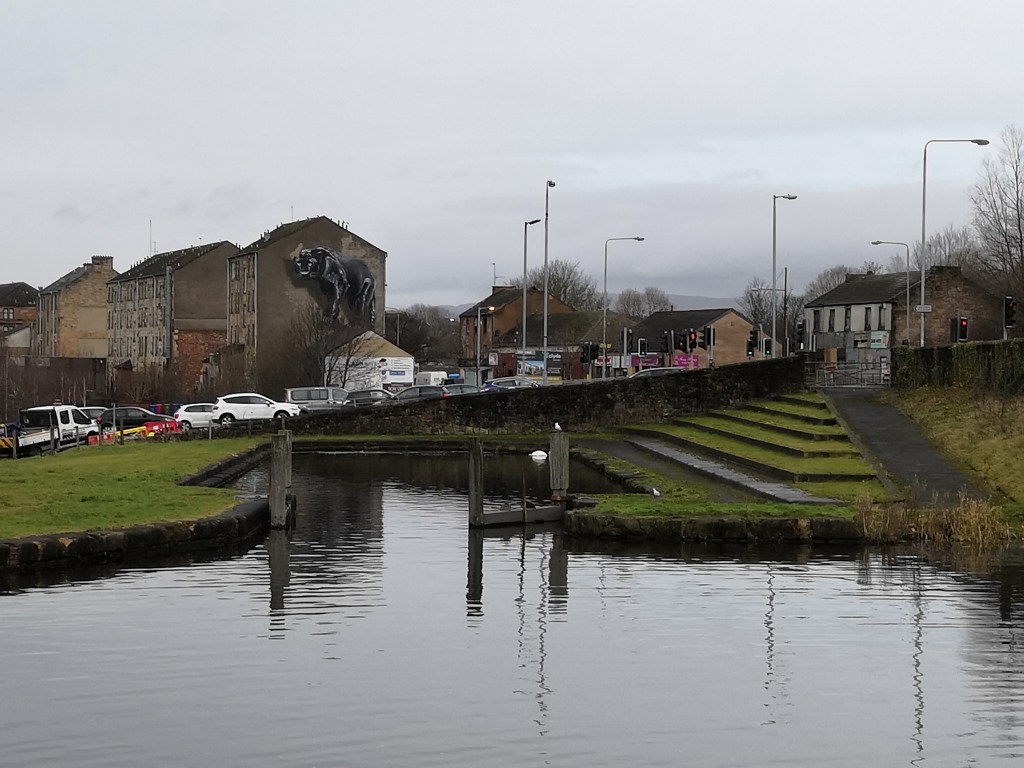
Photograph: Kelvindock, Forth and Clyde canal. A disused graving dock, built in locks 22 and 23 in Maryhill. Historically, this was the place of Swan and co Boatyard during the canal's industrial period. Today, only a few locals know the history of the place, but it is well used by walkers, cyclists and for events. Credit: Author's own.
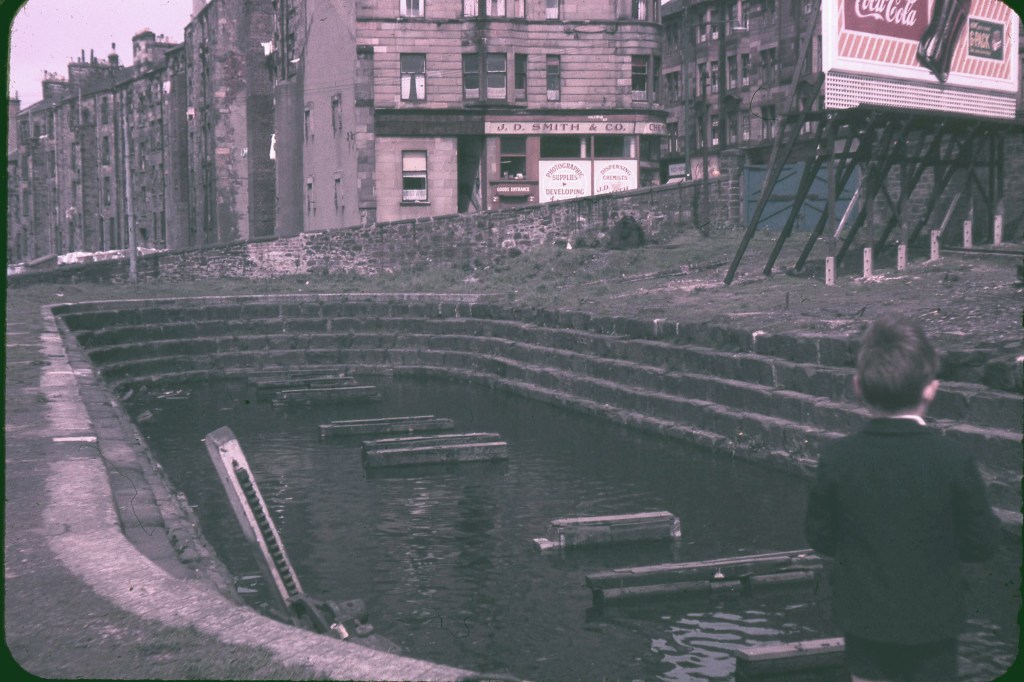
Photograph: The graving docks, Kelvindocks, Forth and Clyde canal, Maryhill. This picture is taken just before the canal shut down to throughout navigation, due to the collapse of the industries. Features such as boatyards, places that during the industrial period, provided the locality's livelihood, became disused spaces and they were considered as waste and unsafe by the local communities. Credit: Maryhill Burgh Hall Archives.
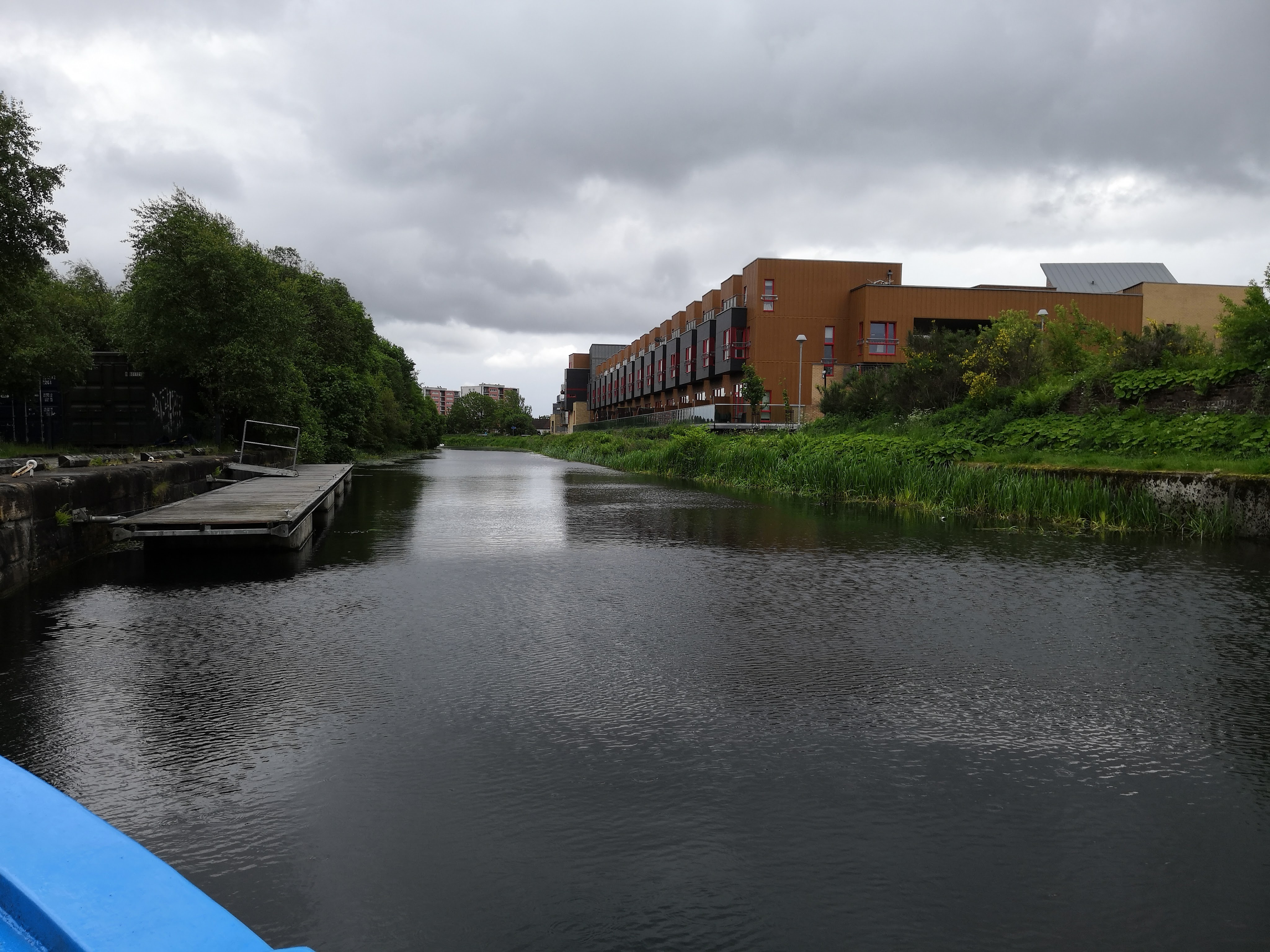
Photograph: Forth and Clyde canal, Maryhill. Local industry has been replaced by housing estates with view to the water. The canal has been redeveloped as a place for leisure and tourism. The heritage locality is a combination of wildlife, activities, boats, and community. Credit: Author's own.
 Livescape