
I have worked as an artist for over thirty years, in the UK and internationally, developing projects that engaged community groups in heritage localities and in reclaiming space in urban spaces. I have designed, organised and curated shows, with the collectives in which I was involved, in urban misused and unexpected places, where the emphasis was on participation and interaction with the artwork and directly with the landscape of the city. I also have a background as a heritage professional and I have worked in museums and cultural organisations professionally and as a volunteer for over ten years, looking after collections and archives, and creating exhibitions. In my personal life, I have gone through a migration experience as I have moved from my country of origin, Greece, to the UK thirty years ago, and since then I have collaborated with cultural initiatives, youth organisations, and refugee and asylum seekers projects, focused on ideas of urban living, displacement, social inclusion and integration.
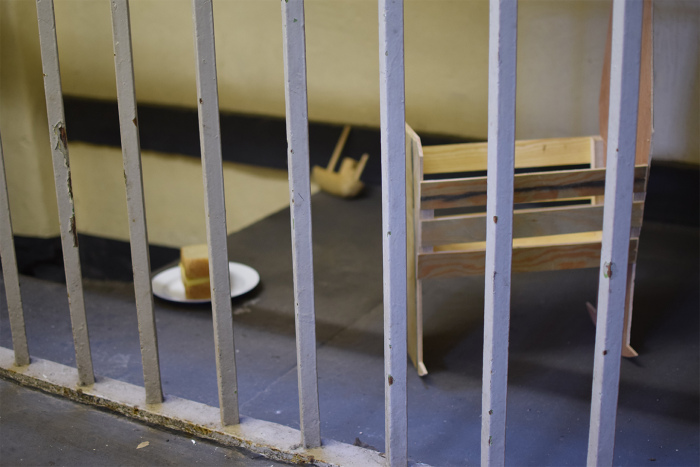
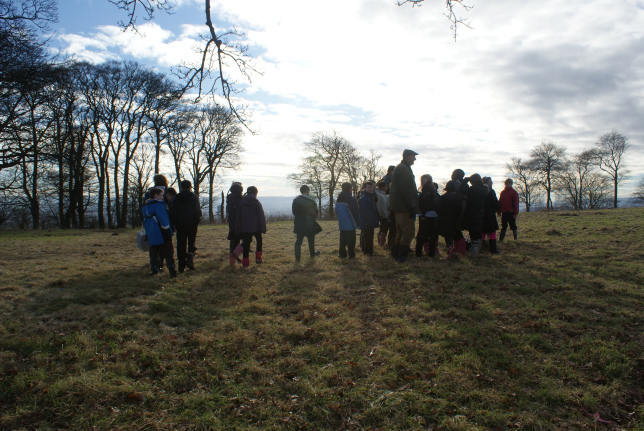
Photographs: Images from previous projects: Confined Spaces, 2016, Campbeltown Jail; Our Constant Neighbour, 2010, Antonine Wall; Kiosk, 2003, London. Credit: Author's own.
I have degrees in History and Fine Art, and Masters degrees in Fine Art and Museum Theory and Practice. This research project has been an amalgamation of my previous education and professional and volunteering background, combining experience of thirty years in community heritage and arts project development and management fields.
When the opportunity for this research project came about, I connected with the Forth and Clyde Canal Society (FCCS) to join forces towards making new connections with the communities of the Forth and Clyde Canal (FCC). I became a member of the canal organisation and started taking part in the on-going campaign to keep the FCC open to throughout navigation, in the training to use the Society’s canal boats, and in the maintenance of the boats. The FCCS is interested in keeping the FCC active as a navigable waterway, so keeping communities’ engagement with the canal and the canal boats is a priority.
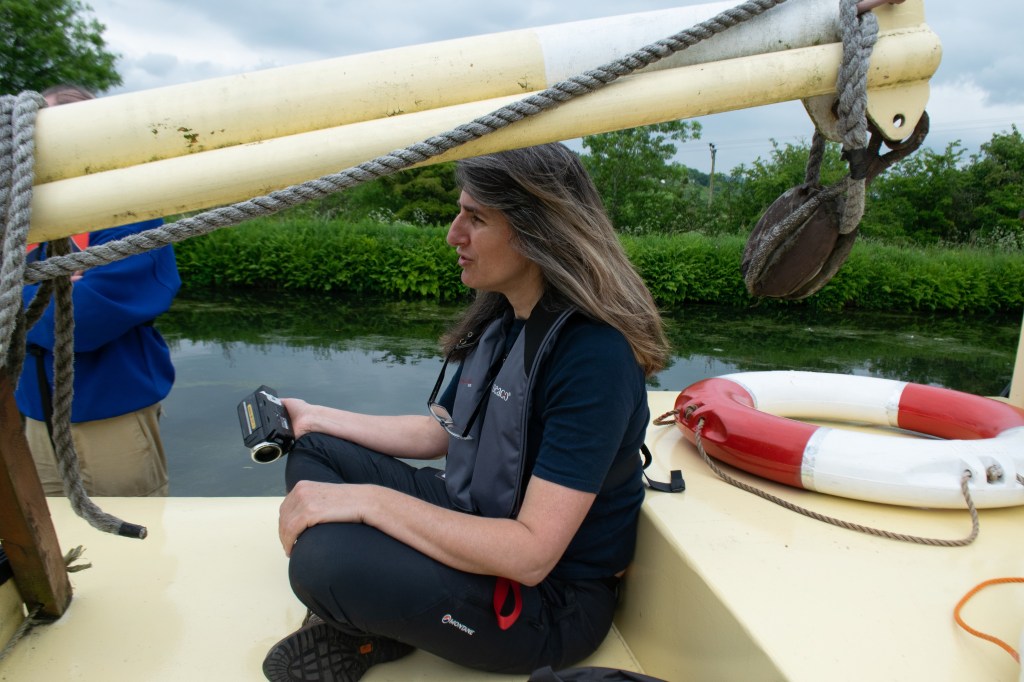
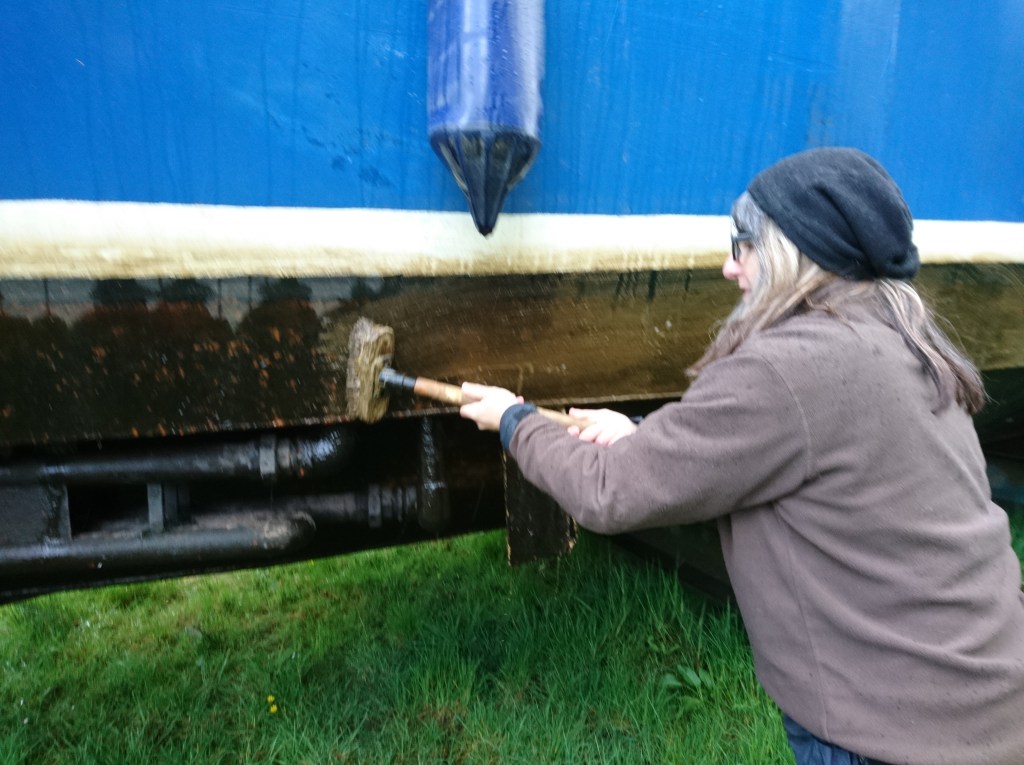
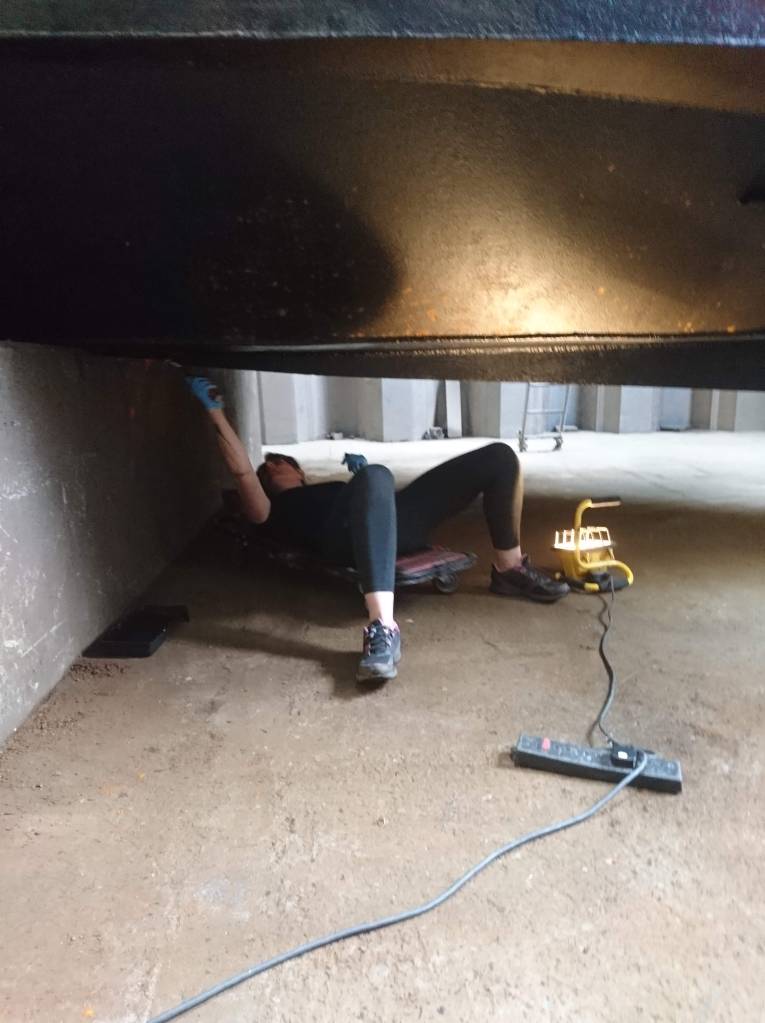
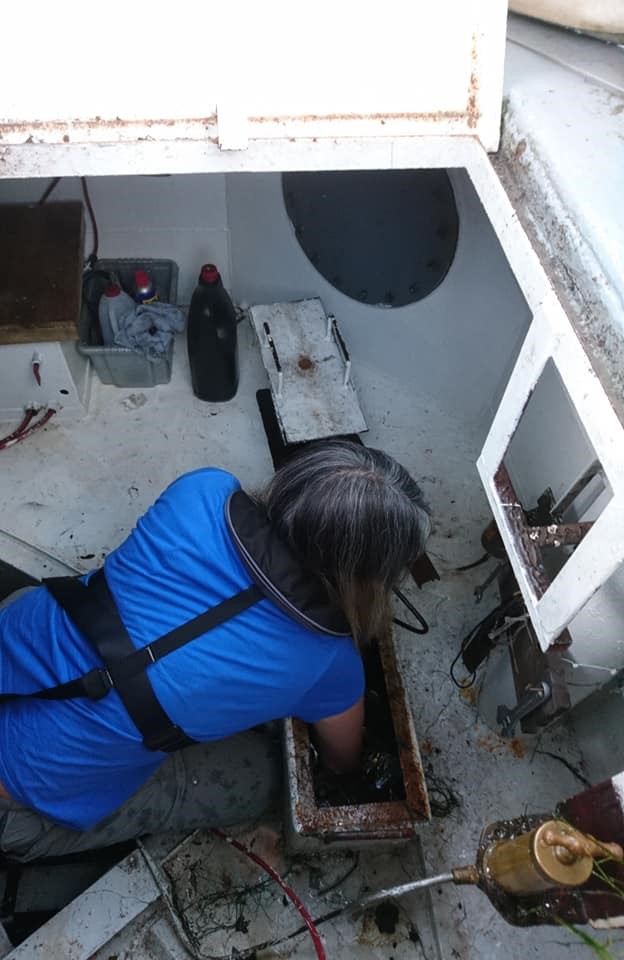
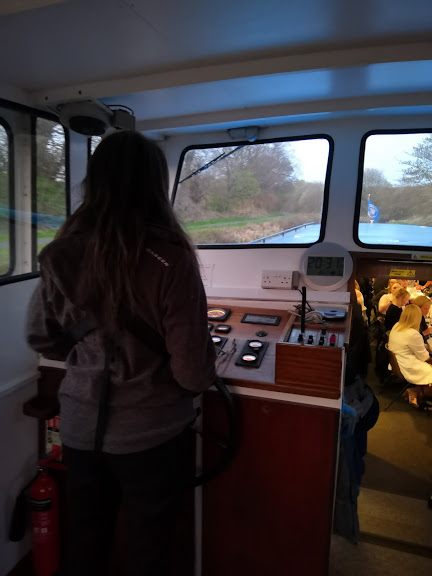
Photographs: Participating in the FCCS's on-going campaign for throughout navigation of the FCC (flotilla 2018);washing and painting the boat's hull; learning to navigate the canal; clearing debris from the propeller. Credit: Author's own.
Auto-ethnography
Participating in activities as a member of the canal society helped me to maintain a close contact with the participants, form relationships with the participants and others I worked with during the research, and keep the research aligned with the research question. Observing myself and my participation had its ups and downs: being too closely involved with participants and activities meant that I had to remind myself to be impartial and keep my feelings aside. Reflection and self-reflection became a habit I tried to keep going to prevent bias in my thoughts in analysis and note-keeping.


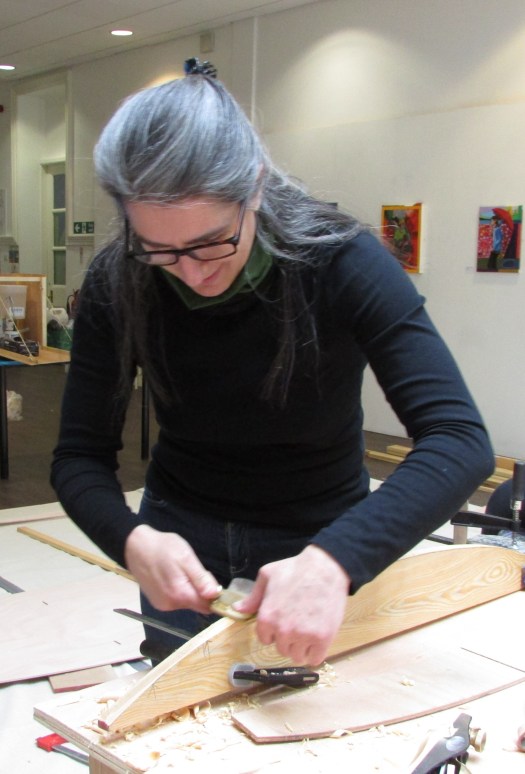
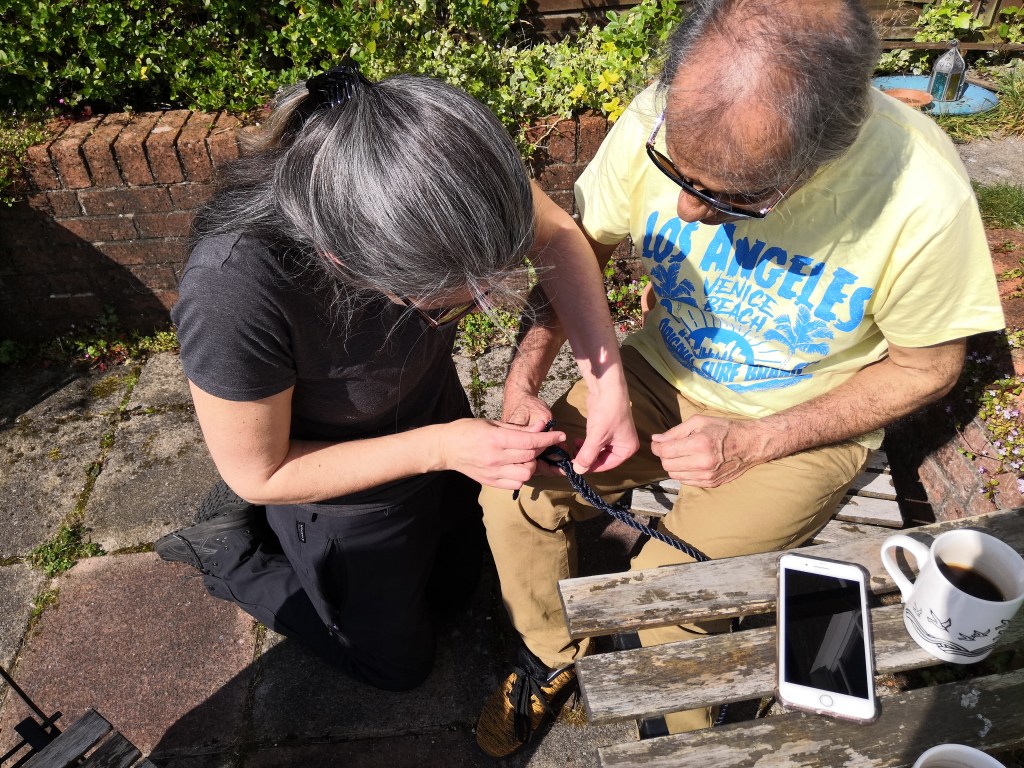
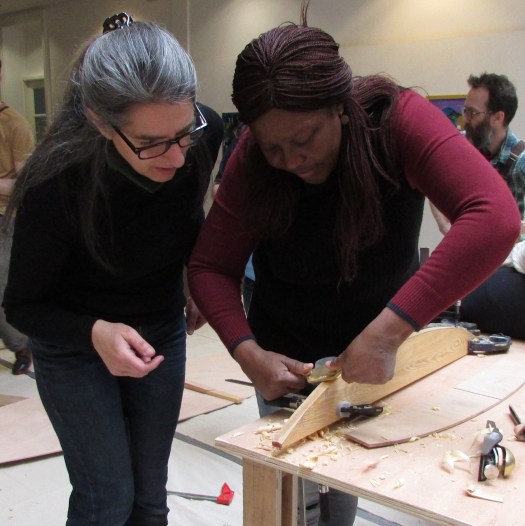
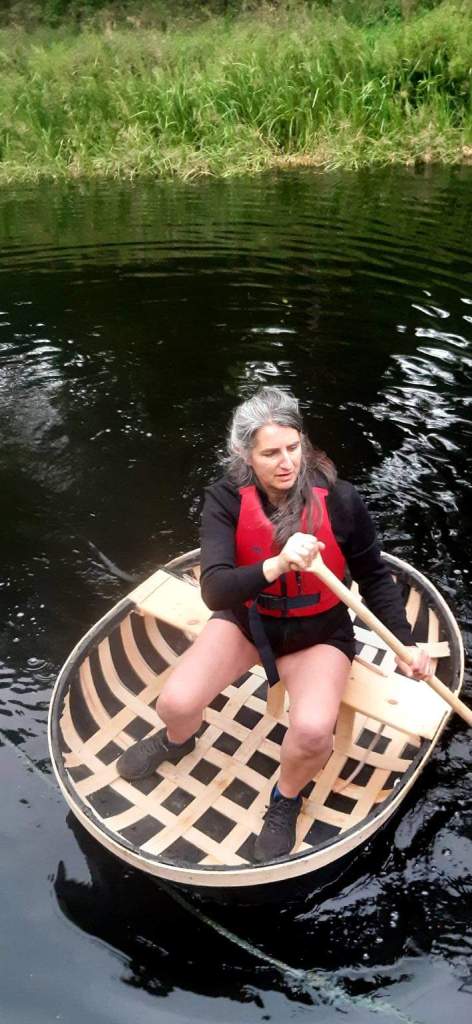
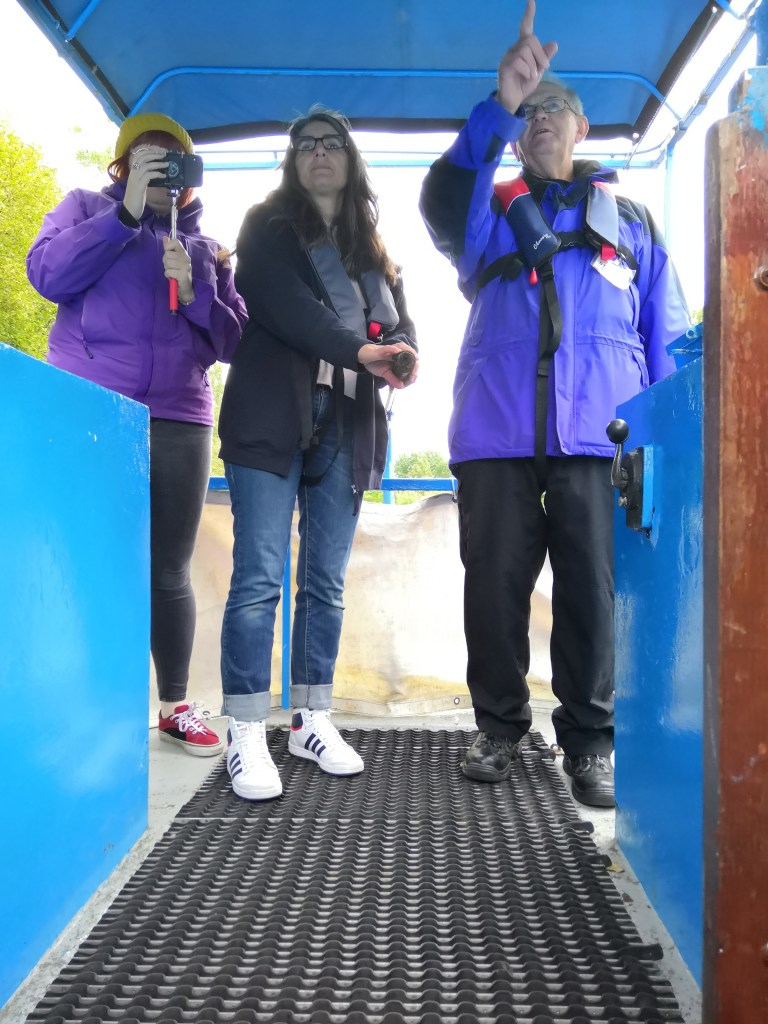
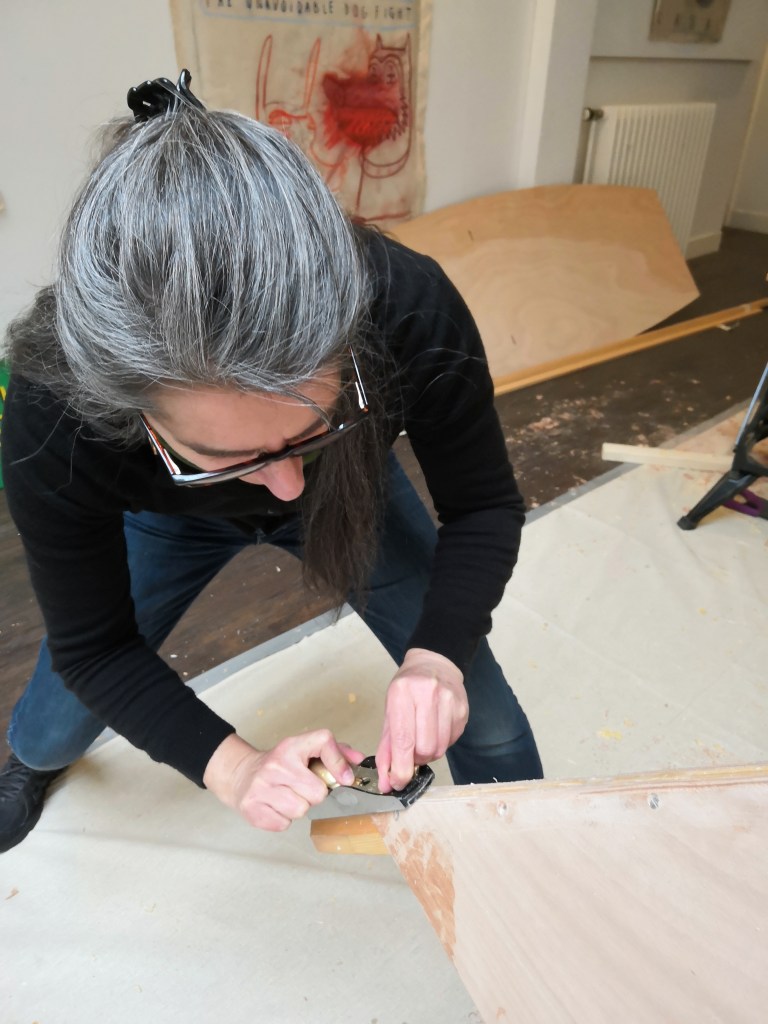
Photographs: Images from the workshops, cruises, and paddling a coracle in the canal. Credit: Author's own.
Note-keeping in auto-ethnographic research is challenging because one needs to find the appropriate time to write notes whilst in the field when things happen all the time, and also often further notes a long time after the event. Observing while having to organise and manage activities is also difficult, as important details might get lost simply because there is no time to note them down.
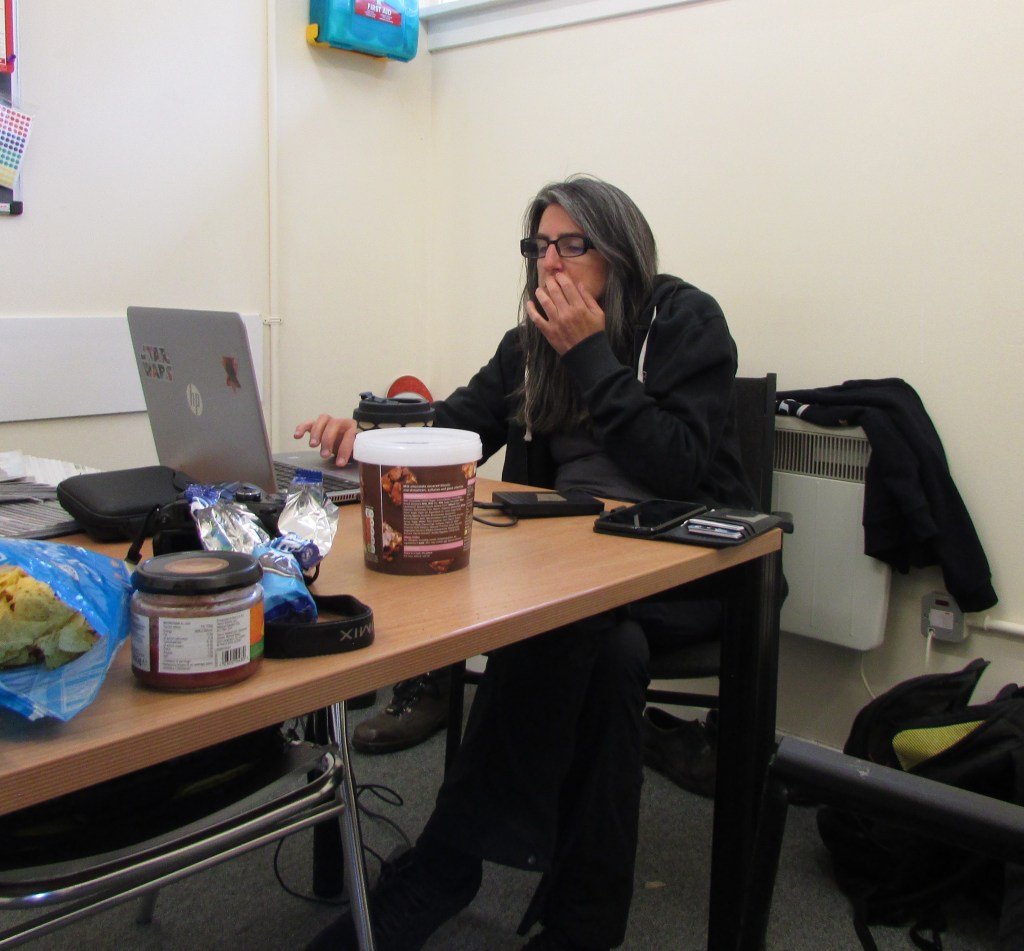
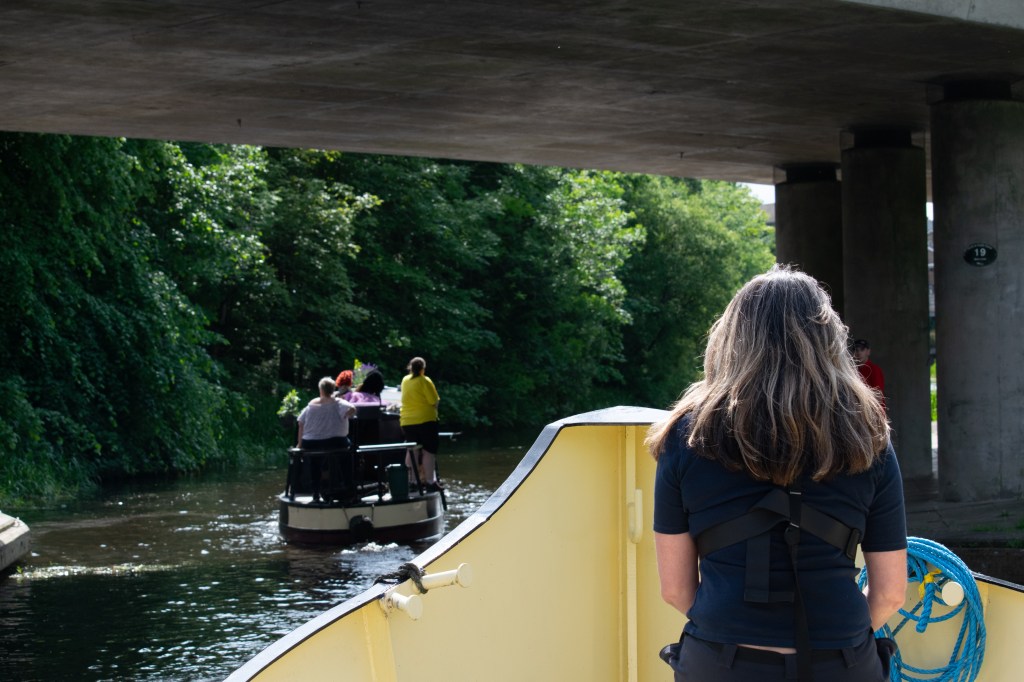
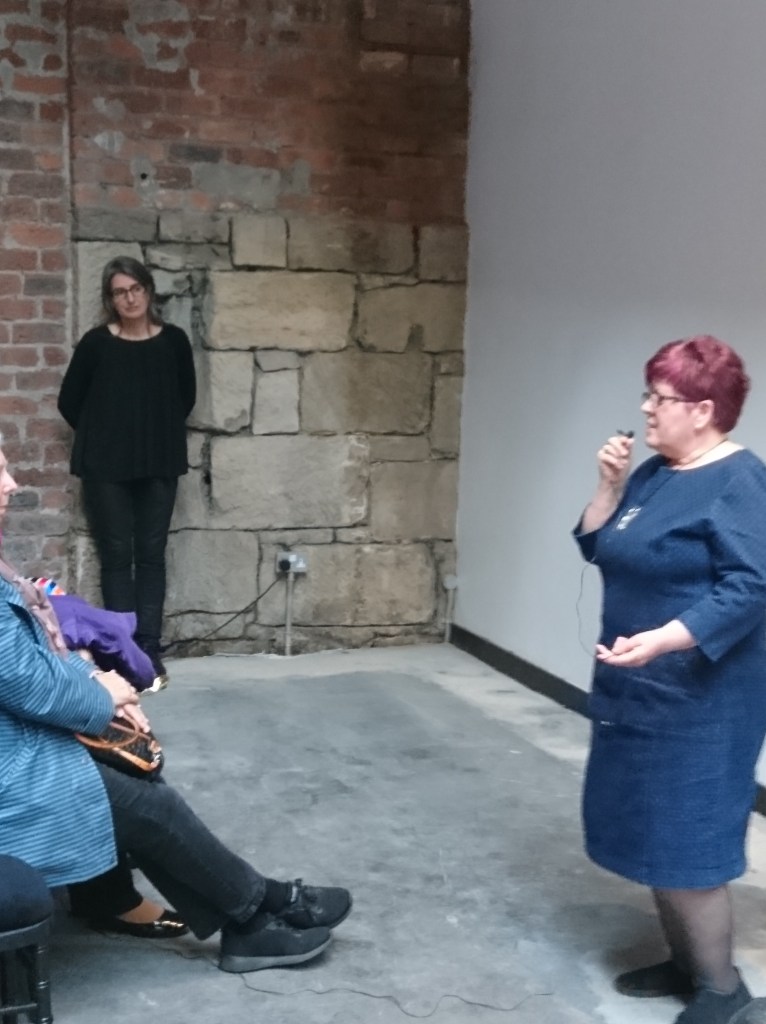
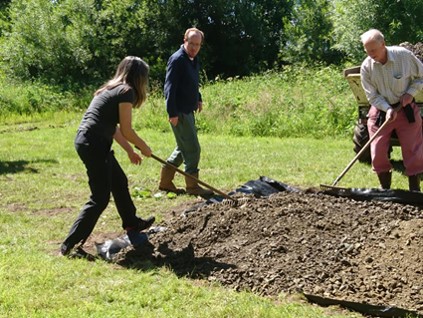
Photographs: Note-keeping in the field and participation in activities (last image: creating a path leading to the Society's container-storage). Credit: Author's own.
Relationships during the research had their up and downs too. People came in contact with things they had in their everyday lives (the canal and the river) but during the research project they interacted with the waterways in a different way, on the water, and using tools. As the organiser and the researcher, I was central to all that was happening, a beautiful collage of human and non-human activity together, making the landscape alive.

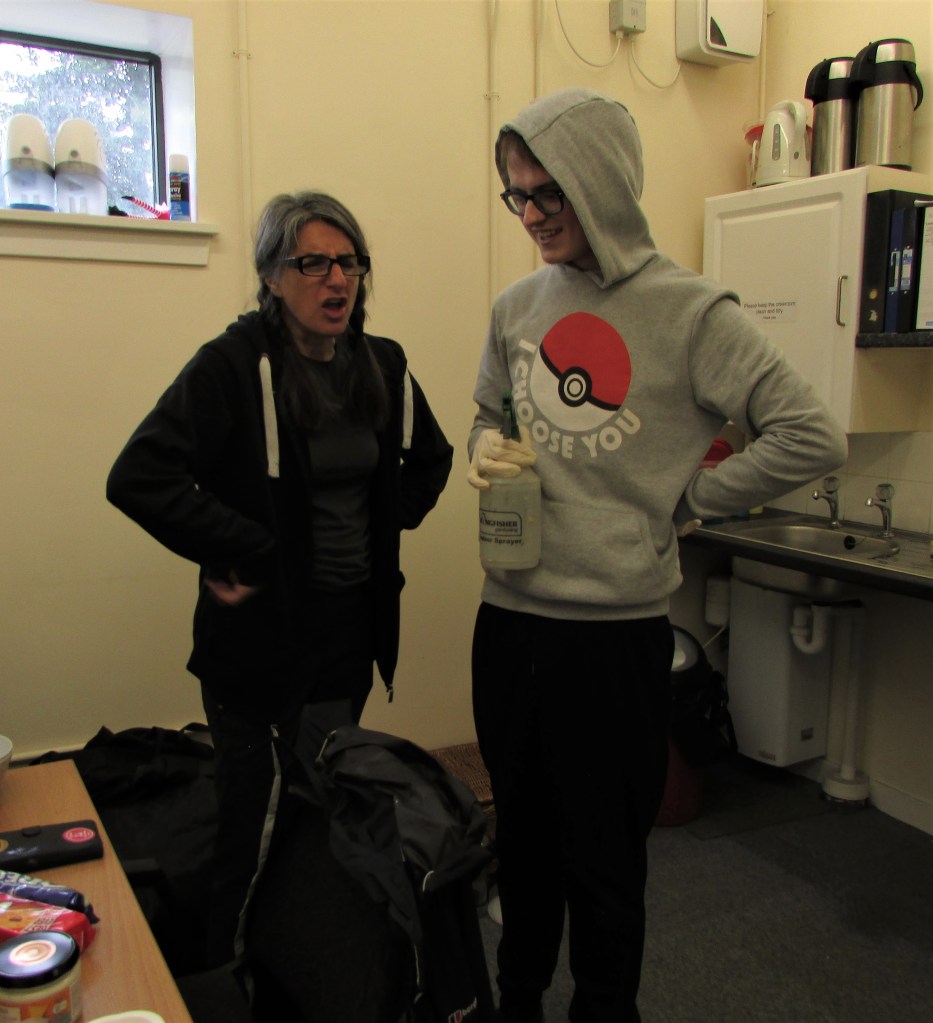
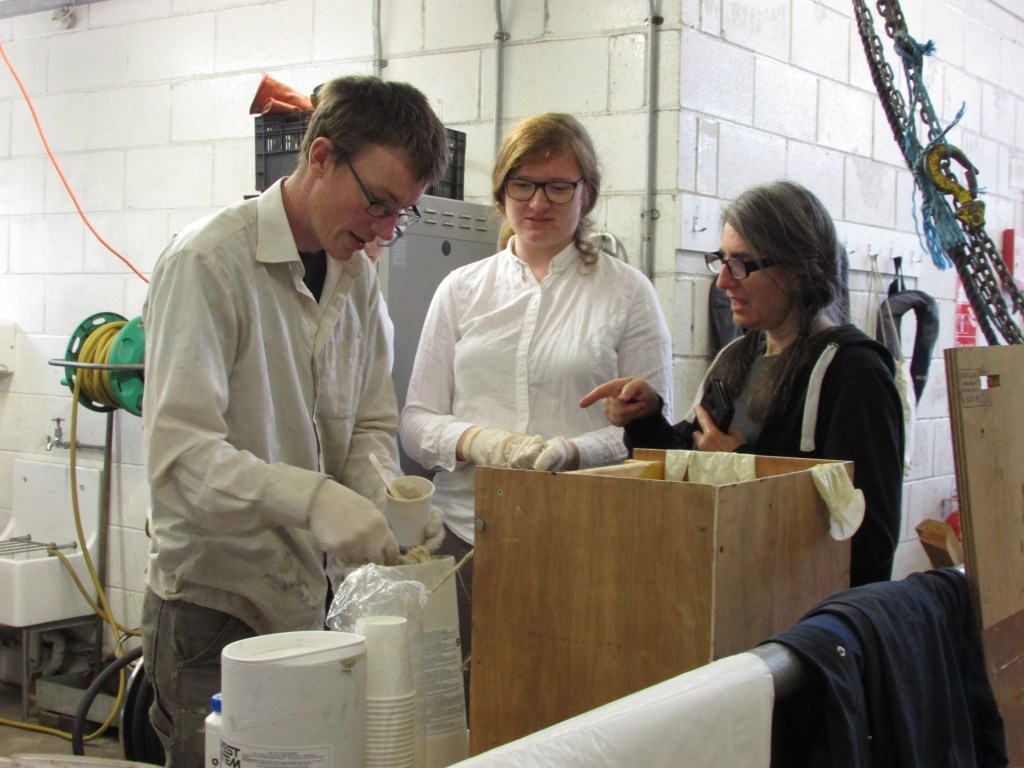
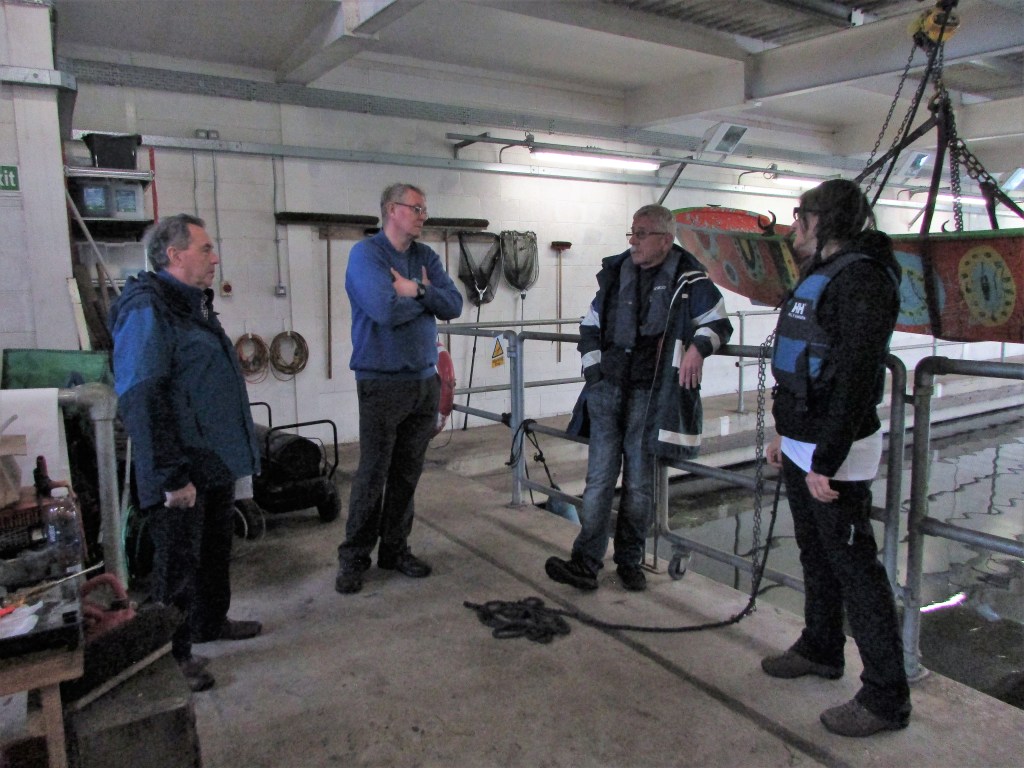

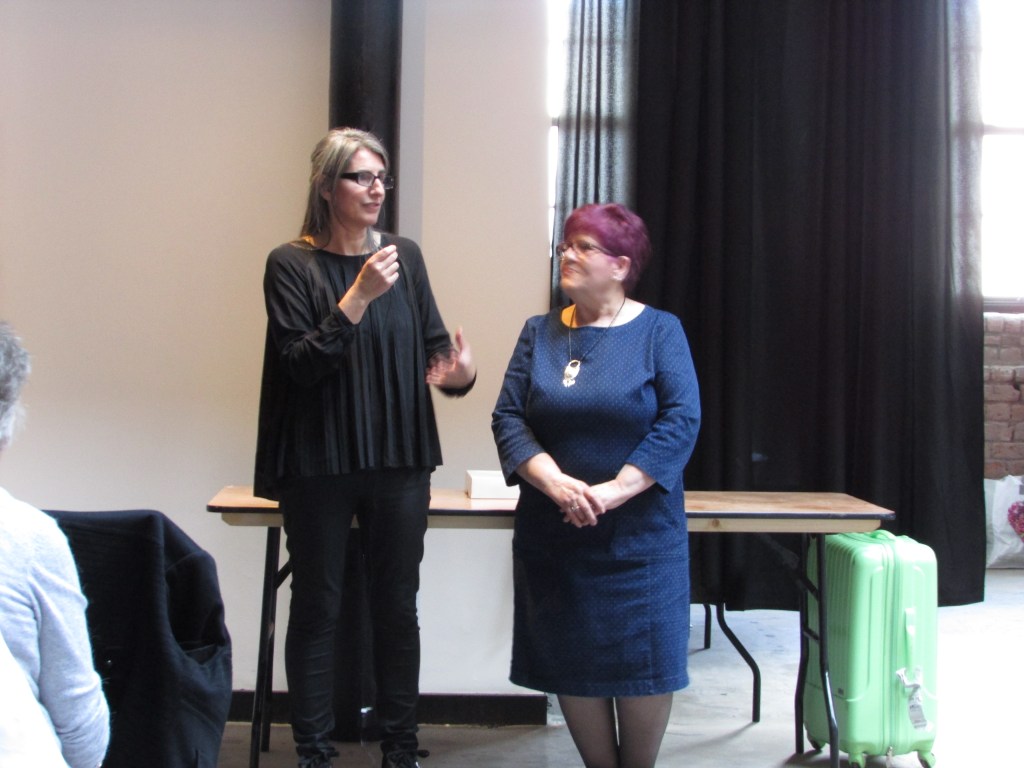
Photographs: Images from events, workshops and getting the boats in the water. Credit: Author's own.
In my spare time, I kayak the urban waterways, always looking for new things to observe in the areas we occupy, from the water’s point of view.
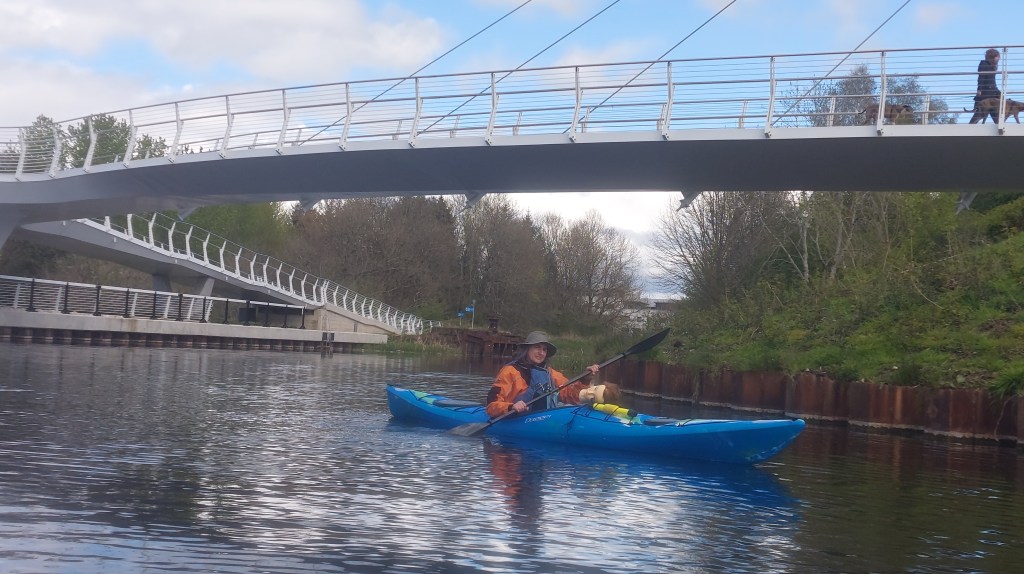
Photograph: Kayaking on the FCC, at the new Stockingfield footbridge, a new regeneration project that connects two communities across the water. Behind me one can see the bridge that was used during the industrial times of the waterway.
 Livescape